
What Are the Different Types of Bulldozers?

Industry News

2026/08/31
Ever walked past a job site and seen a big machine pushing dirt around? That’s a bulldozer. But not all dozers work the same way. Some run on tracks. Some run on wheels. Some push snow instead of soil.
If you buy or rent heavy equipment, you need to know the types. Pick the wrong one and you waste money. Pick the right one and the job gets done fast.
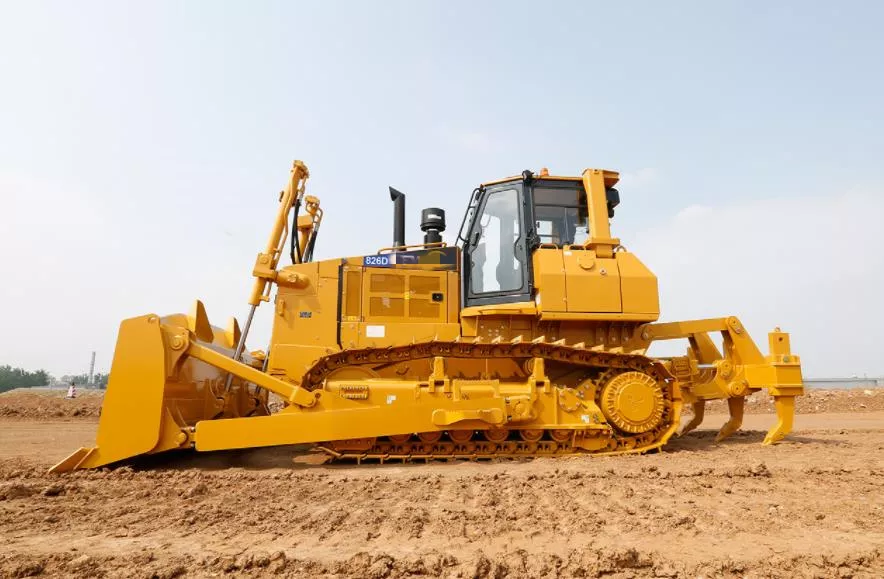
Crawler Bulldozer: The Workhorse
Crawler bulldozers sit on continuous tracks. They look like tanks. The tracks spread the machine’s weight over a large area. This helps on soft ground, mud, and loose sand.
These machines grip well. They climb slopes that would stop a wheeled machine. Most mining and large earthmoving jobs use crawler dozers.
The downside? Tracks wear out. They also tear up paved roads. You can’t drive a crawler dozer down a highway without causing damage.
Common sizes range from small 80-horsepower units to giant 500-horsepower models. Bigger machines move more dirt per hour. They also burn more fuel.
Wheel Bulldozer: The Road-Friendly Option
Wheel bulldozers use big tires instead of tracks. They move faster on hard surfaces. You can drive them between job sites without a trailer.
They work best on firm ground. Gravel pads, compacted soil, and finished roads suit them well. The tires give a smoother ride for the operator.
Wheel dozers cost less to maintain than crawlers. Tire replacement is cheaper than track overhaul. But they slip on wet mud and steep grades.
Many road builders and landfill operators prefer wheel dozers. The speed saves time when you move material across long distances.
Mini Bulldozer: Tight Spaces, Small Jobs
Mini bulldozers fit where big machines can’t go. They work in backyards, narrow trenches, and indoor demolition sites.
These small units often run on rubber tracks. The tracks protect floors and paved surfaces. They also float over soft ground better than tires.
Don’t expect a mini dozer to move a mountain. But for landscaping, utility work, and small grading jobs, they save labor and time.
Swamp Bulldozer: Floating on Soft Ground
Swamp bulldozers have extra-wide tracks. The wide footprint keeps them from sinking in marshy areas. Some models work in wetlands where other machines would get stuck.
The tracks are often made of special materials that resist corrosion. The undercarriage stays cleaner in muddy conditions.
These machines cost more than standard crawlers. But if you work in wetlands or peat bogs, they are the only choice.
Shantui Bulldozer: A Brand Worth Knowing
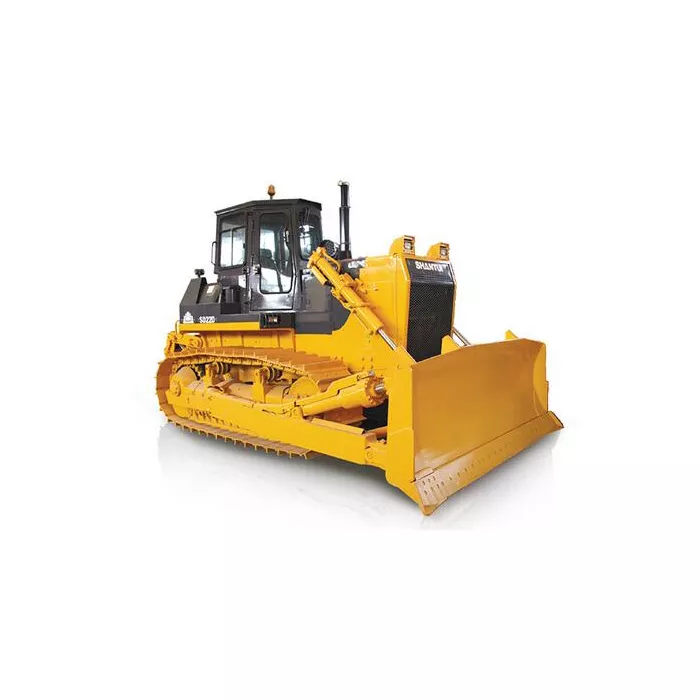
Shantui makes some of the most popular crawler bulldozers in Asia. The company started in China and now sells in over 160 countries.
Their SD series covers many sizes. The SD16 puts out about 162 horsepower. It fits medium jobs like road building and land clearing. The SD22 and SD32 offer more power for heavy work.
Shantui dozers use simple designs. Parts are easy to find. Many local dealers stock filters, tracks, and engine components. This cuts downtime when something breaks.
The cabs on newer models have air conditioning and better seats. Operators stay comfortable during long shifts. A happy operator works faster and makes fewer mistakes.
How to Pick the Right Type
Start with the ground. Soft or wet? Get a crawler or swamp dozer. Firm and dry? A wheel dozer might work.
Think about distance. Do you move material across the whole site? Wheels give you speed. Do you push big piles in one spot? Tracks give you grip.
Check the space. Tight quarters need a mini dozer. Open fields let you run a full-size machine.
Look at your budget. Crawlers cost more to move and maintain. Wheel dozers save on track wear. Mini dozers have lower upfront cost but move less dirt per hour.
A Few Points
Track dozers need a lowboy trailer for transport. Add that cost to your budget.
Wheel dozers work poorly on steep slopes. Don’t push them past their limits.
Swamp dozers are specialist machines. Don’t buy one unless you need it.
Mini dozers save labor but still need a skilled operator.
One More Thing
Bulldozers come in many types for good reason. No single machine does everything. Match the dozer to the job, the ground, and your budget.
Need help finding the right bulldozer? MachPlaza lists new and used dozers from top brands. Check specs, compare prices, and talk to sellers in one place.
FAQs
1. What’s the main difference between crawler and wheel bulldozers?
Crawler dozers run on tracks. They grip soft ground and steep slopes. Wheel dozers use tires. They move faster on hard surfaces and cost less to maintain.
2. How long does a bulldozer last?
Most machines run ten to fifteen years. Good maintenance matters. Change fluids on time and check tracks daily.
3. What jobs suit a Shantui SD16?
The SD16 has about 162 horsepower. It works well for medium earthmoving, road building, and land clearing.
4. Can I use a wheel bulldozer on mud?
Not really. Wheels slip on wet mud. If your site gets muddy often, buy a crawler.
5. Do mini bulldozers need special trailers?
No. Most fit on a standard trailer. Some small models even drive on a flatbed truck.
6. What’s a swamp bulldozer good for?
Wetlands, marshes, and soft peat areas. The wide tracks keep it from sinking.
7. Are Shantui parts easy to find?
Yes. Shantui sells in 160 countries. Many dealers stock common parts.
8. How much fuel does a crawler dozer use per hour?
A mid-size crawler burns 10 to 20 liters per hour. Big machines use more. Check the specs before you buy.
9. Can one operator run different types?
Yes. The controls are similar. But each type handles differently. Give the operator time to adjust.
10. Where can I compare bulldozer prices?
MachPlaza lists dozers from many brands. You can filter by type, size, and price range.
