
How to Choose the Right Concrete Mixing Plant: Types, Capacity and Key Considerations

Industry News

2026/08/28
Every construction project starts with one thing: good concrete. And good concrete starts with the right mixing plant. Pick the wrong one, and you face delays, waste, and extra cost. Pick the right one, and your job site runs smooth.
A concrete mixing plant (also called a concrete batching plant) mixes cement, water, sand, and stone into concrete. Some plants stay in one place. Others move from site to site. The type you choose changes everything — cost, speed, and how much concrete you get per hour.
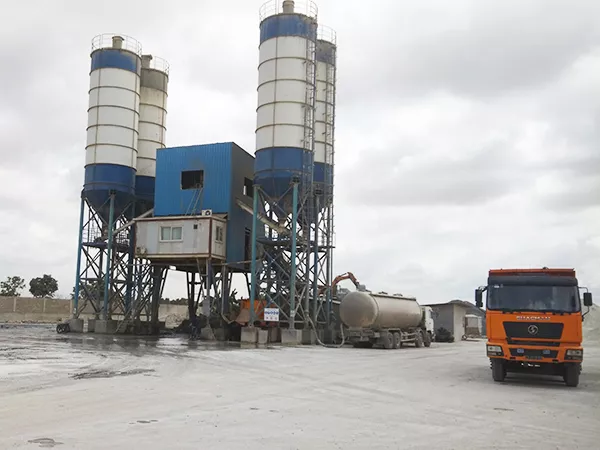
Know the Types
Stationary concrete mixing plant
This plant stays put. You set it up once, and it runs for months or years. It works best for big projects like dams, bridges, and high-rise buildings. These plants make more concrete per hour. They also cost less per cubic meter when you run them full time. The downside? You need a solid foundation and space. Moving it costs time and money.
Mobile concrete mixing plant
This plant goes where the work is. You tow it or load it on a truck. It sets up fast — sometimes in a day. It fits small to medium jobs, road repairs, and rural projects. You trade some output for flexibility. But if your job moves every few weeks, this saves you big on transport.
Compact / skip-type plant
These are smaller units. They lift materials with a skip hoist instead of a long belt. They fit tight spaces and tight budgets. Output is lower, but so is the price. Many small contractors start here.
Check the Capacity
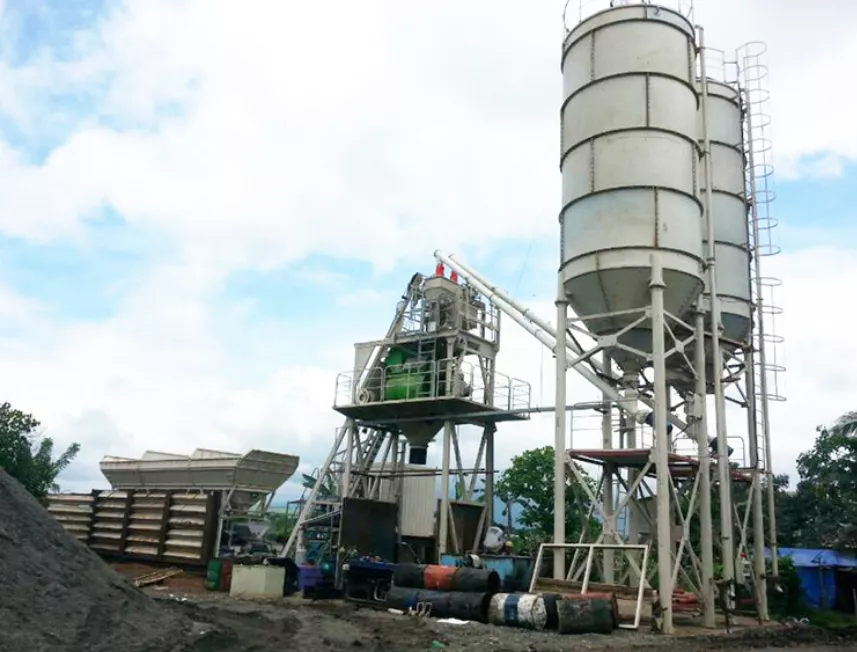
Plants come in sizes from 25 cubic meters per hour up to 240 or more. Match the size to your job.
Small jobs (houses, small roads): 25–50 m³/h
Medium jobs (warehouses, mid-rise): 60–90 m³/h
Big jobs (tunnels, airports, dams): 120–240 m³/h
Do not just look at peak need. Look at daily average. A plant that runs at 80% load all day beats one that hits max for one hour and sits idle.
Also check how many mixer trucks you have. A big plant with no trucks to haul concrete is wasted money.
Key Things to Check Before You Buy
1. Mix quality
The plant must hit the mix design you need. Check the mixer type (twin-shaft mixes faster and better), weighing accuracy, and control system. Good scales and sensors matter more than you think.
2. Power and fuel
Diesel or electric? Some sites have no grid power. Others have cheap electricity. Match the power source to your site. Diesel costs more to run but works anywhere.
3. Parts and service
Machines break. What matters is how fast you fix them. Ask the seller about spare parts stock and local service teams. A cheap plant with no parts support turns into a costly mistake.
4. Automation level
Basic plants need more hands on deck. Fully auto plants cut labor but cost more up front. If you run long-term, automation pays back fast.
5. Environment rules
Some areas have strict dust and noise rules. Check if the plant has dust collectors, closed conveyors, and noise control. Fines for breaking rules can wipe out your margin.
Meet MachPlaza
MachPlaza sells concrete mixing plants from top brands like XCMG, SANY, and Zoomlion. They offer both mobile and stationary units. You get full specs, real photos, and factory prices.
Their team helps you pick the right size and type. They also handle shipping and customs. If you buy heavy gear often, MachPlaza is worth a call.
One More Thing
Choosing a concrete mixing plant is not just about price. It is about matching the machine to your job, your site, and your timeline. Think about type, capacity, mix quality, and support. Do that, and you avoid the headaches that slow projects down.
FAQs
1. Mobile or stationary plant — which one costs less?
A mobile plant costs less to buy and move. A stationary plant costs less per cubic meter over time. Pick mobile for short jobs. Pick stationary for long-term work.
2. How much concrete can a small plant make?
A 25 m³/h plant makes about 200 cubic meters in one shift. That covers most small building jobs.
3. Do I need a license to run a batching plant?
Rules vary by country. Most places need permits for setup, noise, and dust. Check local laws before you buy.
4. How long does a mixing plant last?
With good care, 10 to 15 years. Key parts like mixers and scales may need replacement after 5 to 8 years.
5. Can one plant make different concrete grades?
Yes. Modern plants store many mix recipes. You switch grades from the control panel in seconds.
6. What is the biggest mistake buyers make?
Buying too big or too small. Measure your real daily need, not your best guess.
7. Does MachPlaza ship worldwide?
Yes. They ship to Asia, Africa, Latin America, and the Middle East. Ask them for a quote with shipping.
