
Safety Operation Regulations and Key Points for Use Management of Crawler Cranes

Industry News

2026/08/26
Crawler cranes are the backbone of heavy lifting on construction sites. They move on tracks instead of wheels. This gives them grip on soft ground and steep slopes. But that same power makes them dangerous when crews skip safety steps. Every year, accidents happen because teams rush setup or ignore load charts. This guide covers the rules and management points that keep crews safe and projects on track.
What Makes Crawler Cranes Different
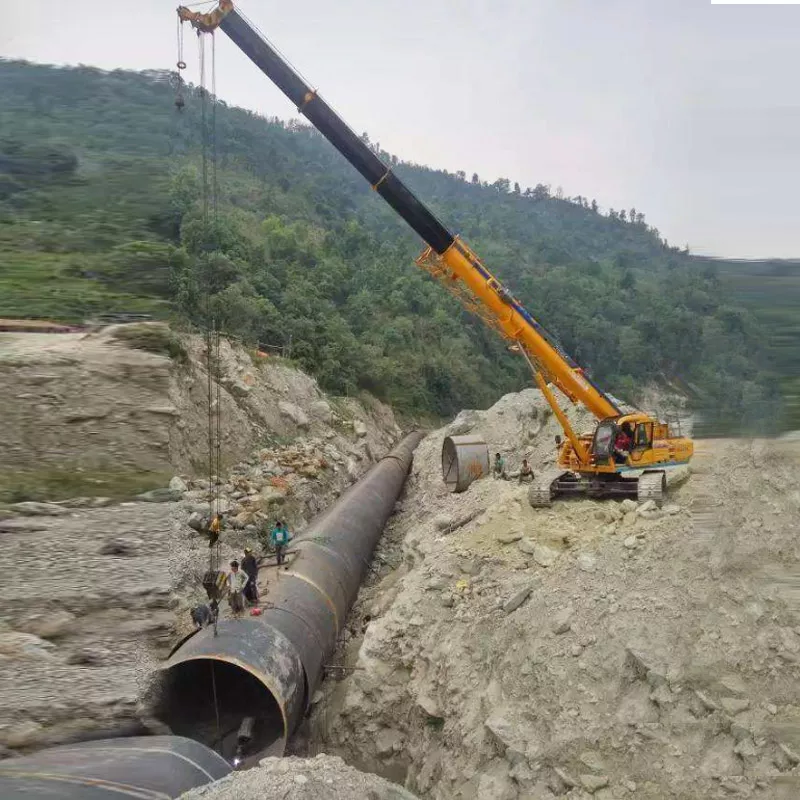
Crawler cranes sit on a wide base with continuous tracks. The tracks spread weight over a large area. That means they work on ground that would swallow a truck crane. They also rotate 360 degrees while lifting. This flexibility helps with tower work and bridge jobs. But it adds risk. The operator must watch ground conditions, wind speed, and load swing all at once.
Most crawler cranes use a lattice boom or telescopic boom. Lattice booms are lighter and reach farther. Telescopic booms set up faster and need less crew. Both types need firm ground and proper matting. Without mats, the tracks can sink or tilt during a heavy lift.
Key Safety Rules on Site
Check the ground first. Soft soil, underground pipes, and slopes near trenches all cause trouble. A geotechnical report helps, but a visual walk matters too. Look for recent rain, loose fill, or signs of settling.
Use load charts every time. The chart in the cab tells the operator the safe load for each boom angle and radius. Wind, side loads, and dynamic forces change the numbers. Never guess. If the chart says 50 tons at that radius, stop there.
Inspect rigging daily. Wire ropes, slings, and hooks wear out. A frayed rope or cracked hook can drop a load without warning. Replace damaged parts right away. Do not patch or splice on the job.
Keep the swing radius clear. No one walks under a suspended load. No one stands inside the crane’s swing circle unless they are part of the lift team. Use tag lines to control load direction. That keeps hands away from pinch points.
Watch the weather. Most manufacturers stop lifts when wind hits 20 mph. Gusts are worse than steady wind. Rain makes ground soft and slings slippery. Lightning shuts everything down. Check the forecast before the shift starts.
Train the signal person. The operator cannot see every angle. A trained signaler with clear hand signals or radios keeps the lift smooth. Both people must agree on signals before the first pick.
Use Management That Prevents Problems
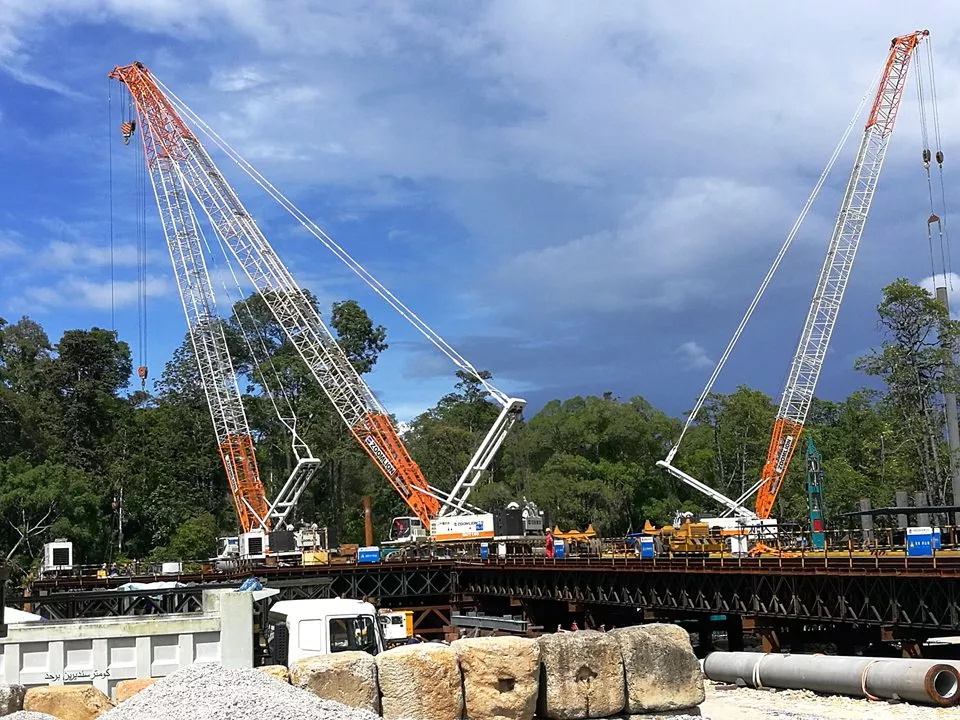
Good management starts before the crane arrives. Plan the lift path, ground prep, and crew roles in advance.
Get the right permits. Many regions require crane registration, operator licenses, and lift plans for heavy picks. Missing paperwork stops work and draws fines.
Match the crane to the job. A small crane saves money but struggles with big loads. An oversized crane costs more and may not fit on site. Review load weight, reach, and ground pressure before you rent or buy.
Keep maintenance logs. Track engine hours, hydraulic fluid changes, and boom inspections. Small leaks turn into big failures. A log helps you spot patterns and plan downtime.
Store parts and tools properly. Crawler cranes need track pads, boom sections, and counterweights. Keep these items organized and protected from rust. Lost parts delay jobs.
Run safety meetings weekly. Talk about near misses, new hazards, and changes to the lift plan. Crews that speak up catch problems early.
Why MachPlaza Helps
Finding the right crawler crane takes time. MachPlaza lists new and used models from top brands like XCMG, SANY, and Zoomlion. You can compare specs, prices, and delivery terms in one place. Their team knows export rules and shipping. That saves headaches when you buy across borders.
Whether you need a 50-ton unit for city work or a 500-ton giant for wind farms, MachPlaza has options. They also help with spare parts and after-sales support. Check their listings before your next project.
One More Thing
Safety is not a one-time checklist. It is a habit. Ground changes. Weather shifts. Crews rotate. The best sites review rules every morning and fix problems right away. A crawler crane is a powerful tool. Treat it with respect, and it will lift your project to the finish line.
FAQs
1. How often should a crawler crane get inspected?
Daily before use. A full inspection by a certified technician every month. Annual certification is required in most countries.
2. What ground bearing pressure does a crawler crane need?
It varies by model. Small cranes need about 10 psi. Large models need 20 psi or more. Always check the manual and use mats if ground is soft.
3. Can crawler cranes work on slopes?
Yes, but within limits. Most makers allow up to 3 degrees side slope and 5 degrees front-to-back. Always check the manual. Use outriggers or mats if needed.
4. Do operators need special licenses?
Yes. Crawler crane operators need a certified license. Training covers load charts, rigging, signals, and emergency stops. Never let an untrained person operate.
5. What wind speed stops a lift?
Most manufacturers set 20 mph as the limit. Some heavy lifts stop at 15 mph. Gusts matter more than average speed. When in doubt, wait.
6. How long do crawler cranes last?
With good care, 20 to 30 years. Harsh sites, salt air, and skipped maintenance cut that in half. Track wear and boom fatigue are the main limits.
7. Lattice boom or telescopic boom— which is safer?
Both are safe when used right. Lattice booms need more setup time and crew. Telescopic booms set up faster but weigh more. Pick based on job needs and crew skill.
8. What is the biggest cause of crawler crane accidents?
Overloading and unstable ground. Both are preventable. Follow load charts and check soil before every setup.
9. Should I buy or rent a crawler crane?
Rent if the job is short or you need a special size. Buy if you have steady work and a maintenance team. MachPlaza offers both options.
10. What brands make reliable crawler cranes?
XCMG, SANY, Zoomlion, Liebherr, and Kobelco all build solid machines. Chinese brands offer good value. European brands have long service networks. Match the brand to your region and support needs.
