
Concrete Trailer Pump vs. Boom Pump: Which One Fits Your Project?

Industry News

2026/08/25
What Is a Concrete Trailer Pump?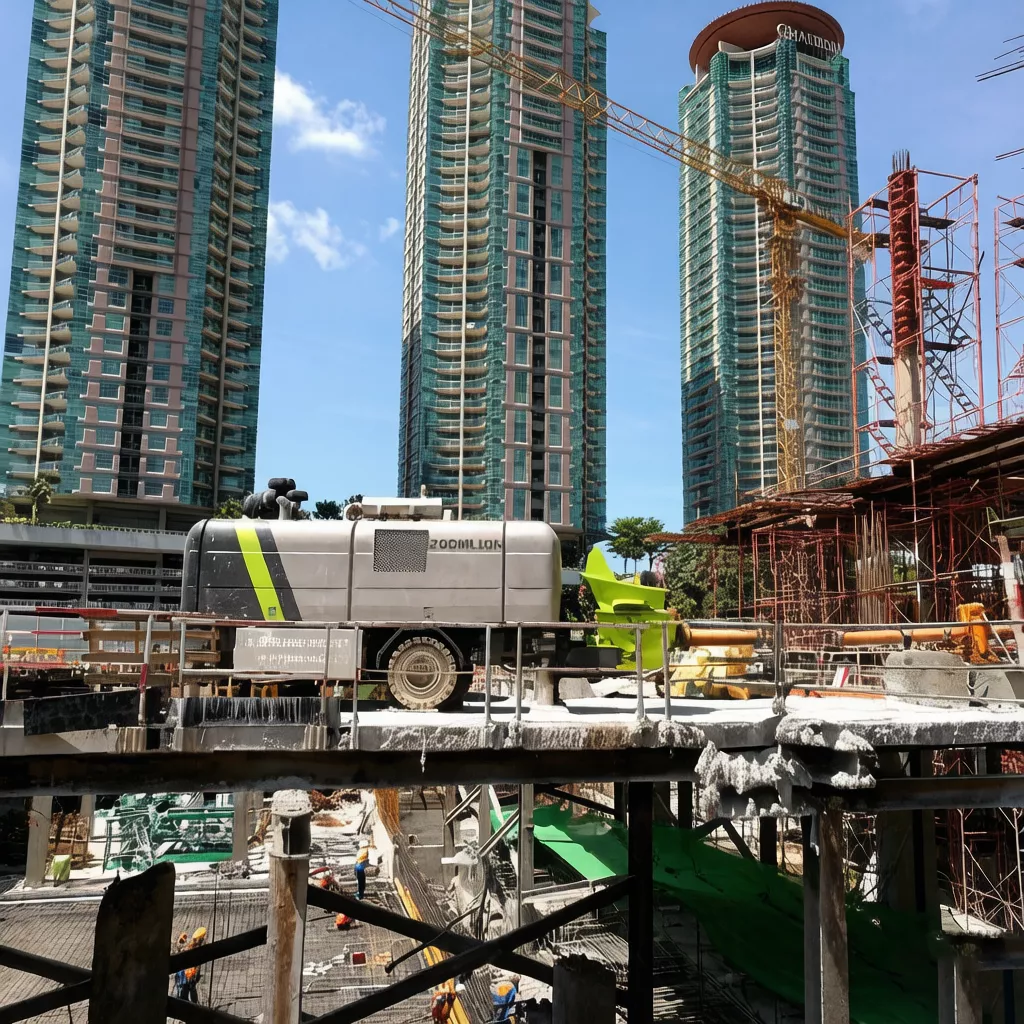
A concrete trailer pump, also called a line pump or ground pump, sits on a wheeled trailer. You tow it to site with a pickup or small truck. It pumps concrete through hoses that workers lay on the ground. No boom. No fancy arm. Just a solid pump and a long hose.
These units work well for:
- Small to mid-size pours
- Indoor jobs where height is limited
- Sites with tight access
- Jobs where the pour spot stays in one place
Most trailer pumps move 20 to 80 cubic meters per hour. Hose length runs 50 to 200 meters. You can add more hose if needed.
What Is a Boom Pump?
A boom pump sits on a truck chassis. It has a hydraulic arm — the boom — that folds and unfolds. The boom reaches over obstacles, into buildings, or up high floors. You drive it to site, park, and pump. No hose dragging. No setup time.
Boom pumps handle:
-
High-rise buildings
-
Large commercial pours
-
Sites with obstacles like walls or ditches
-
Jobs where speed matters
Booms stretch 20 to 60 meters. Pump output runs 30 to 90 cubic meters per hour. The truck mounted concrete pump truck is the most common type on big sites.
Key Differences at a Glance
|
Feature |
Trailer Pump |
Boom Pump |
|---|---|---|
|
Mobility |
Tow behind |
Self-drive |
|
Reach |
Ground hoses only |
Boom arm, 20-60m |
|
Setup time |
15-30 minutes |
5-10 minutes |
|
Labor needs |
More (hose crew) |
Less (one operator) |
|
Best pour size |
Small to mid |
Mid to large |
|
Indoor use |
Good |
Limited |
|
Upfront cost |
Lower |
Higher |
|
Running cost |
Lower |
Higher |
When to Pick a Trailer Pump
Choose a concrete trailer pump when:
-
Your budget is tight
-
You do small pours often
-
You work indoors or in tight spots
-
You have workers who can handle hoses
-
The pour area stays fixed
Trailer pumps cost less to buy and run. They also fit through narrow gates and low ceilings. Many residential contractors keep one for slabs, driveways, and small foundations.
When to Pick a Boom Pump
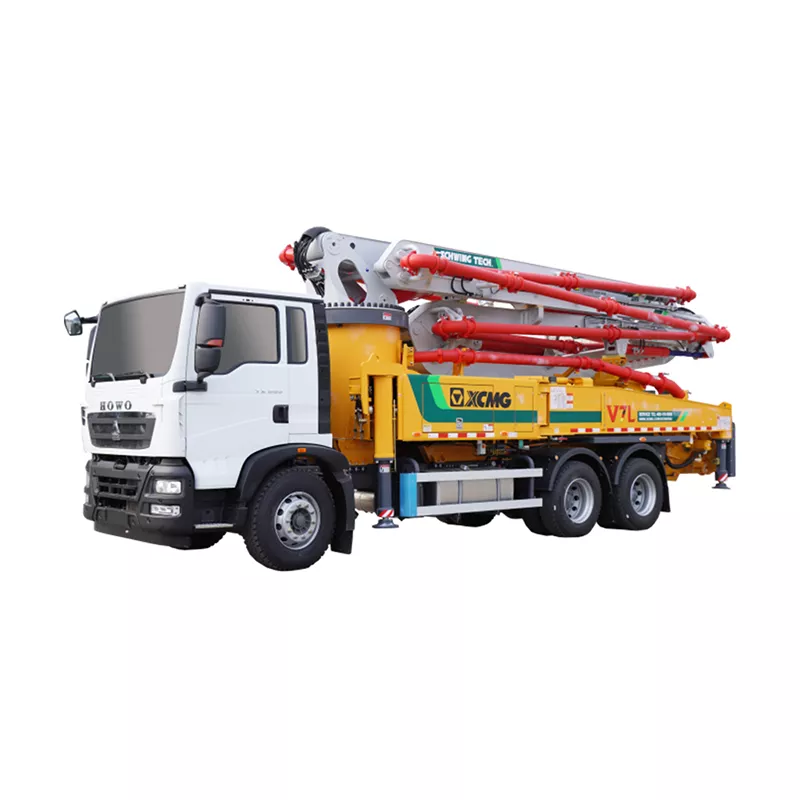 Choose a boom pump when:
-
You pour high or far
-
Speed drives your schedule
-
You lack hose crew
-
The site has walls, ditches, or other obstacles
-
You do large commercial work
A concrete pump truck with a boom saves labor and time. One operator runs the pump from a remote. The boom swings and places concrete exactly where you need it. No dragging hoses through mud.
Cost Breakdown
Trailer pumps start around $15,000 used and $30,000 new. Boom pumps run $80,000 to $250,000 new. Used boom trucks start near $50,000.
But look past the sticker price. A boom pump moves more concrete per hour. It needs fewer workers. On big jobs, it pays back fast. A trailer pump wins on small jobs where the boom pump would sit idle.
One More Thing
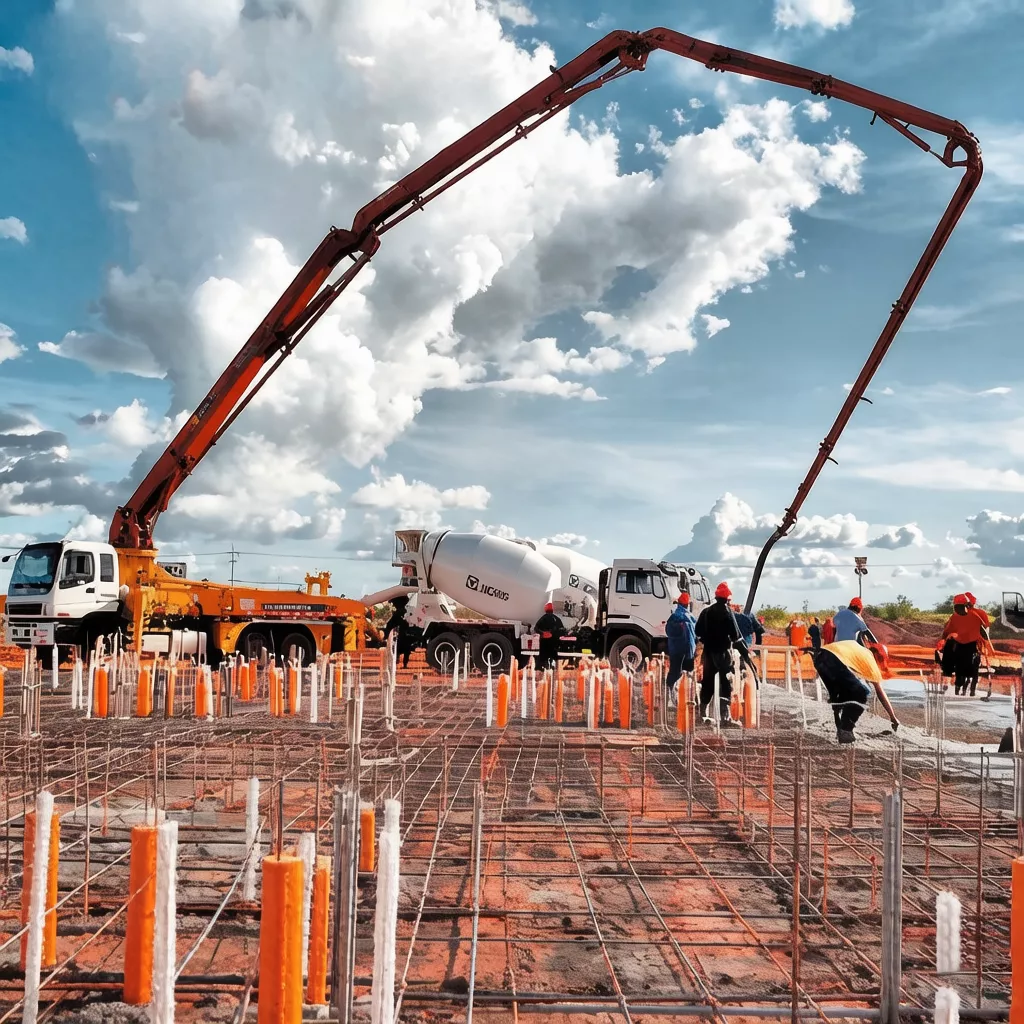 Some crews run both. They use the trailer pump for small jobs and tight spots. They call a boom pump for big pours and high-rise work. If you only buy one, think about what you do most.
Where to Buy
MachPlaza lists concrete trailer pumps and boom pumps from Chinese makers. You can compare specs, prices, and boom lengths. Their team handles shipping and spare parts.
FAQs
1. Can a trailer pump reach upper floors?
Yes, but you need long hoses and strong pressure. Most trailer pumps handle 10 to 20 floors. Above that, a boom pump works better.
2. How long does setup take?
Trailer pumps need 15 to 30 minutes to position and lay hoses. Boom pumps need 5 to 10 minutes to unfold and stabilize.
3. Which one needs more maintenance?
Boom pumps have more moving parts. The boom hydraulics need regular checks. Trailer pumps are simpler but hoses wear out fast.
4. Can I use a trailer pump indoors?
Yes. Trailer pumps fit through standard doors. Boom trucks need outdoor space to park and unfold.
5. What about spare parts?
Pipes, seals, and wear plates wear first. Keep extras on hand. Buy from the maker or a trusted supplier.
6. Do I need a special license for a boom pump?
Most places need a commercial truck license. Some want a crane or pump cert. Check local rules.
7. Can one person run a trailer pump?
One person can run the pump. But you need a crew to move and hold the hose. A boom pump needs one operator and one hose guide.
8. Which lasts longer?
Both run 8 to 12 years with good care. Boom pumps may need boom cable and hydraulic work sooner. Trailer pumps need hose replacement often. Need help picking? Check MachPlaza for concrete trailer pumps and boom pumps. Compare models, ask questions, and get a quote.
