
How to Choose the Best Concrete Mixer Pump Truck: Complete Buyer’s Guide

Industry News

2026/08/24
Ever watched a crew pour concrete by wheelbarrow? It takes forever. A concrete pump truck changes everything. It moves wet concrete fast, straight to the spot, even up high or far back. But not every pump truck fits every job. Pick wrong, and you waste money and time. This guide breaks down what matters.
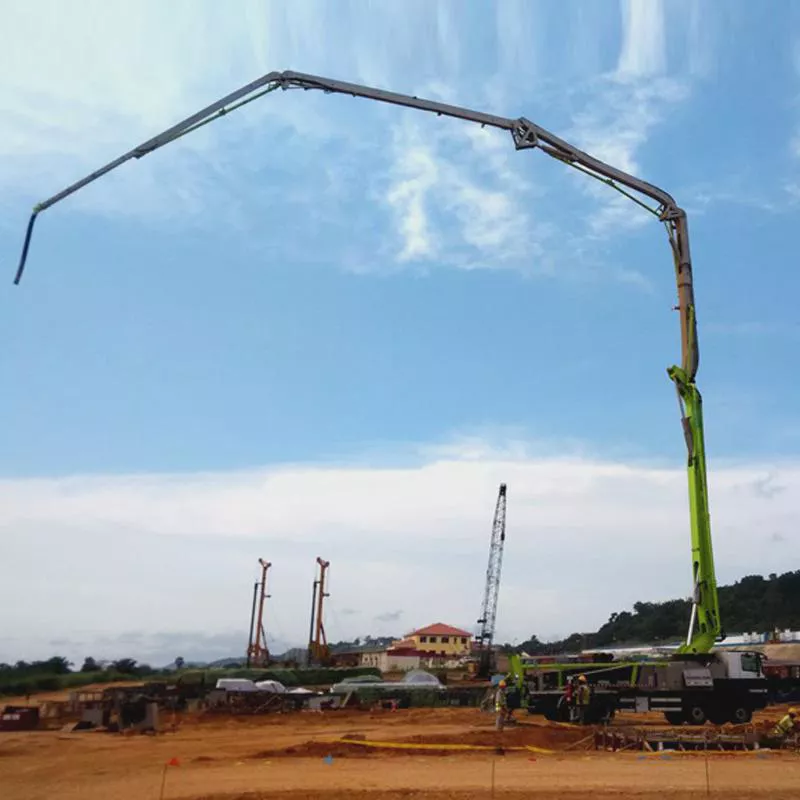 What Is a Concrete Pump Truck?
A concrete pump truck mixes and pumps concrete in one machine. It sits on a truck chassis, so you drive it to site. Two main types exist:
-
Truck mounted concrete pump truck — pumps only. You feed it ready-mix concrete from a batch plant.
-
Mixer pump truck — mixes and pumps. It carries its own materials and makes fresh concrete on site.
The second type works great where batch plants are far or roads are bad.
Why It Beats Old Methods
Wheelbarrows and cranes take ages. A pump truck does the same work in minutes. Here is why crews love them:
- Speed — pours 30 to 60 cubic meters per hour
- Reach — booms stretch 20 to 60 meters
- Labor savings — fewer workers, less fatigue
- Quality — steady flow, less air pockets
- Access — reaches over walls, into buildings, up floors
 Key Things to Check Before You Buy
 Key Things to Check Before You Buy
1. Pump Output
Check the cubic meters per hour. Small jobs need 20 to 30 m³/h. Big commercial sites need 50 to 90 m³/h. Match the pump to your typical pour size. Too small slows the job. Too big wastes fuel and money.
2. Boom Length
Short booms run 20 to 30 meters. Long booms hit 50 to 60 meters. Think about your sites. Tight urban jobs need short, flexible booms. High-rise or wide-area pours need long reach. A 37-meter boom handles most mid-size jobs well.
3. Engine Power
Most units run diesel engines from 200 to 400 horsepower. More power handles thick mixes and long pipelines. But more power also burns more fuel. Find the balance for your work.
4. Chassis Brand
The truck base matters. Good brands include Mercedes, Isuzu, Howo, and Shacman. A strong chassis lasts longer and breaks less. It also holds resale value. Cheap chassis save money now but cost more later.
5. Hydraulic System
The hydraulics move the boom and pump. Look for brands like Rexroth or Kawasaki. Good valves and cylinders mean smooth operation and fewer leaks. Ask about oil cooling too. Hot climates need strong cooling.
6. Mixer Drum Size
For mixer pump trucks, drum size matters. Common sizes run 4 to 10 cubic meters. Bigger drums mean fewer batches but heavier trucks. Check local road weight limits before you choose.
7. After-Sales Support
Parts break. Pipes wear out. You need a supplier who answers the phone and ships fast. Ask about:
- Spare parts stock near you
- Service team response time
- Warranty length and coverage
- Operator training
Truck Mounted vs. Mixer Pump: Which One?
Not sure which type to pick? Here is a quick comparison:
|
Feature |
Truck Mounted Pump |
Mixer Pump Truck |
|---|---|---|
|
Needs batch plant |
Yes |
No |
|
Makes fresh concrete |
No |
Yes |
|
Best for |
Urban, near plants |
Remote, rural sites |
|
Upfront cost |
Lower |
Higher |
|
Flexibility |
Less |
More |
If you work near cities with good batch plant access, a truck mounted concrete pump truck saves money. If you build in remote areas, a mixer pump truck keeps you independent.
One More Thing
Buying a concrete pump truck is a big decision. Do not just look at price. Think about total cost over five years. Fuel, parts, downtime, and resale value all add up. A cheap machine that breaks down costs more than a solid one that runs daily.Where to Buy
MachPlaza lists concrete pump trucks from top Chinese makers. You can compare specs, prices, and boom lengths side by side. Their team helps with shipping, paperwork, and spare parts.
FAQs
1. How long does a pump truck last?
Most run 8 to 12 years. Good care stretches that to 15. Change hydraulic oil on time. Clean pipes after every pour.
2. What boom length do I need?
For most jobs, 30 to 40 meters works. High-rise needs 50 meters or more. Measure your typical sites before you decide.
3. Can one person operate it?
Yes, but two is better. One drives and runs the pump. The other guides the hose and watches the pour.
4. How much does a concrete pump truck cost?
New ones run $80,000 to $250,000. Used ones start around $40,000. Price depends on brand, boom length, and pump output.
5. Do I need a special license?
Most places need a commercial truck license. Some also want a crane or concrete pump cert. Check local rules.
6. What about spare parts?
Pipes, seals, and wear plates wear out first. Buy from the maker or a trusted supplier. Keep common parts on hand.
7. Mixer pump or separate mixer and pump?
Mixer pump trucks save space and labor. But separate units let you mix and pump at the same time. Pick based on your crew size and site layout.
8. How do I clean the pipes?
Flush with water after each pour. Some crews use a sponge ball. Never let concrete harden inside. It ruins the line.
Ready to buy? Check MachPlaza for concrete pump trucks that match your job. Compare models, ask questions, and get a quote today.
