
Electric vs Diesel Loader: Cost Comparison & ROI Analysis

Industry News

2026/08/01
Fuel bills keep climbing. Diesel prices swing up and down. More job sites now ban gas engines indoors. That is why fleet managers ask the same question: does an electric wheel loader really save money?
The short answer is yes. An electric loader cuts fuel costs by 60% to 75%. It also needs less service work. The payback period sits between one and two years for most operators. This guide breaks down the real numbers. We use the XCMG XC968EV as a reference point. It is one of the most tested electric loaders on the market today.

Upfront Cost: The First Hurdle
An electric loader costs more at purchase. The price gap ranges from 20% to 75% above a diesel unit of the same size. A mid-size diesel wheel loader runs about $80,000 to $120,000. The electric version lands closer to $120,000 to $180,000.
That gap scares some buyers. But grants and tax credits close it fast. Many regions offer clean-energy rebates for construction gear. Some buyers recover $20,000 to $40,000 through these programs. Always check local rules before you buy.
The battery is the big cost driver. The XCMG XC968EV packs a 282 kWh CATL lithium iron phosphate pack. That alone adds thousands to the build. But battery prices drop every year. Early adopters paid a heavier premium. New buyers get better deals.
Fuel vs Power: Daily Savings Add Up Fast
A diesel loader burns 0.8 to 1.2 gallons per hour. At $4 per gallon, an eight-hour shift costs $25 to $40 in fuel. Run 200 days a year and you spend $5,000 to $8,000 on diesel alone.
An electric loader uses about 5 to 6 kWh per hour. At $0.12 per kWh, the same shift costs $5 to $6. That is $1,000 to $1,200 per year. The savings hit $4,000 to $7,000 annually on fuel alone.
Real-world data backs this up. A New Zealand contractor running an XCMG XC968EV saved 25,000 liters of diesel in one year. That translated to a 40% cut in fuel costs. Another operator in the US reported $4,000 per year in pure fuel savings on a smaller electric unit.
Electricity rates stay stable. Diesel prices jump with oil markets. That stability helps with budget planning. Fleet managers know their power costs months ahead.
Maintenance: Fewer Parts, Fewer Headaches
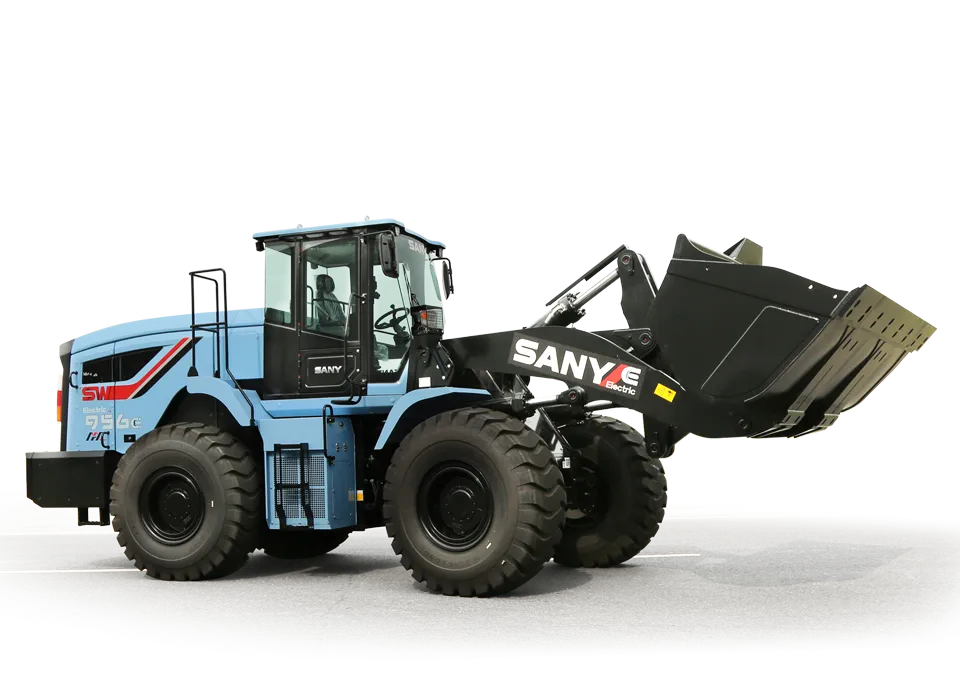
Diesel engines need oil changes every 250 hours. They need fuel filters, air filters, and exhaust system service. The DPF and EGR systems clog and cost money to clean or replace. Transmission fluid changes add more downtime.
Electric loaders skip most of this. The XCMG XC968EV uses three motors and no transmission. There is no engine oil. There are no fuel filters. The exhaust system does not exist. Routine service takes 1.5 hours instead of 4 hours.
Electric drivetrains have 60% to 70% fewer moving parts. That means fewer things break. Maintenance costs drop 30% to 60% over the machine life. Some fleets see 50% lower service bills in year one.
Battery life worries some buyers. Real data helps here. XCMG XC968EV units show only about 6% battery degradation after 20,000 hours. That is roughly ten years of work. The battery outlasts many diesel engines before a major rebuild.
Downtime and Uptime
Every hour in the shop is an hour not working. Diesel loaders need half a day for routine service. Electric units need 90 minutes. Over a year, that difference adds up to dozens of extra work hours.
Charging takes planning. The XC968EV charges to full in 50 to 60 minutes on a 300 kW DC fast charger. A 160 kW charger needs about 90 minutes. Standard AC charging takes around five hours.
Runtime on a full charge runs 6 to 10 hours for light work. Heavy loading drops that to 5 to 6 hours. Most operators charge during lunch breaks or shift changes. Dual-port charging on the XC968EV helps speed things up.
For multi-shift sites, a second battery pack or on-site fast charger solves the gap. Many fleets already run this way with forklifts. The model is proven.
Total Cost of Ownership: The Full Picture
Add up purchase price, fuel, service, and downtime. The electric loader wins over time. Break-even sits at 12 to 24 months for typical use. After that, every dollar saved goes to profit.
A five-year TCO study from New Zealand showed the electric loader 5% cheaper than diesel at 16,000 hours. The gap widens at ten years. Diesel engines need a rebuild around 8,000 to 12,000 hours. Batteries keep going past 20,000 hours.
Resale value is still unclear. The used electric market is young. But clean-machine rules are spreading. Electric loaders may hold value better in zones with emission limits.
Hidden Benefits Worth Counting
Zero emissions let electric loaders work indoors. Warehouses, tunnels, and enclosed sites now prefer them. Some cities ban diesel downtown. Electric units avoid fines and permit delays.
Noise drops sharply. Diesel loaders roar at 85 to 95 decibels. Electric units run near 70 decibels. Operators report less fatigue. Neighbors complain less on urban jobs.
Heat is lower too. Diesel engines pump hot air into the cab and the work zone. Electric motors stay cool. Summer shifts feel better. Air conditioning works less hard.
One More Thing
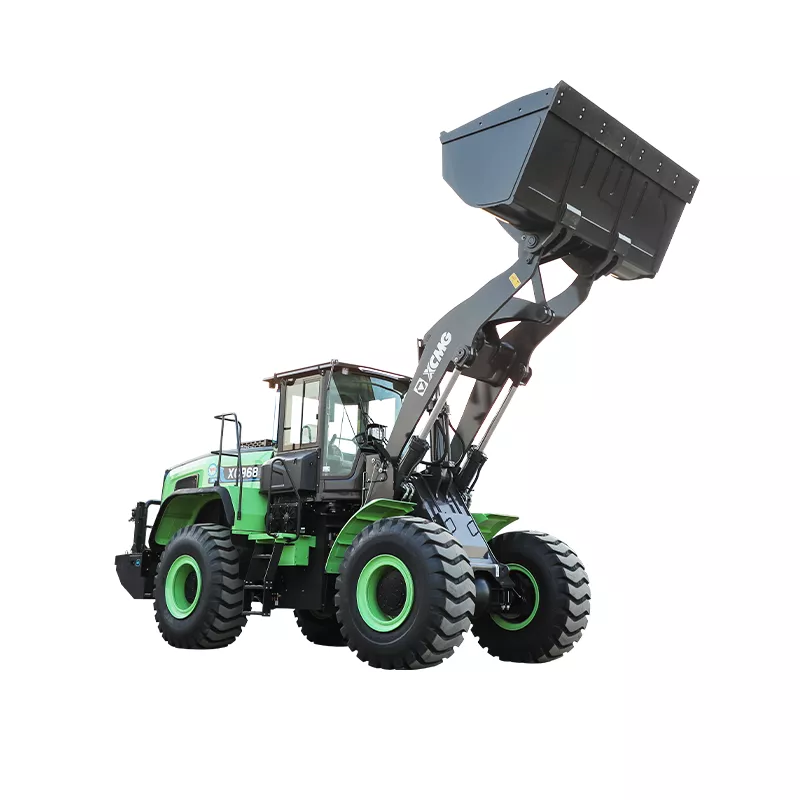
Electric loaders are not perfect for every job. Remote sites without grid power need generators. That adds cost and complexity. Extreme cold cuts battery range. Very long shifts may need mid-day charging.
But for most fleet operators, the math is clear. Fuel savings plus maintenance savings plus uptime gains equal real money. The XCMG XC968EV and similar models prove it in the field.
If you run 1,500 hours per year, expect $5,000 to $10,000 in annual savings. Run more hours and the number climbs. The question is no longer if electric pays off. It is how fast.
FAQs
Q1: How much does an electric loader save per year?
Most operators save $5,000 to $10,000 yearly on fuel and service. Heavy users save more.Q2: Does the XCMG XC968EV use a normal battery?
It uses a 282 kWh CATL lithium iron phosphate pack. That type is safe and lasts long.Q3: How long does charging take?
A 300 kW fast charger fills it in 50 to 60 minutes. Slower chargers need 90 minutes to 5 hours.Q4: Will the battery die in a few years?
Real data shows about 6% loss after 20,000 hours. That is roughly ten years of normal use.Q5: Can it run a full shift?
Light work gives 6 to 10 hours. Heavy loading gives 5 to 6 hours. Most crews charge at lunch.Q6: Is maintenance really cheaper?
Yes. No engine oil, no fuel filters, no exhaust system. Service time drops by half or more.Q7: What about the purchase price?
Electric units cost 20% to 75% more upfront. Grants and tax credits close the gap. Savings pay the rest back in one to two years.Q8: Do electric loaders work in cold weather?
Cold cuts range slightly. Most units still run fine. Park indoors or pre-heat the battery if needed.Q9: Can I use it indoors?
Yes. Zero emissions and low noise make it ideal for tunnels, warehouses, and city work.
1. Where can I buy one?
Check MachPlaza for XCMG electric loaders and other brands. They list new and used units with specs and pricing.
