
Concrete Mixer Truck Maintenance: Daily, Weekly & Monthly Checklist

Industry News

2026/07/30
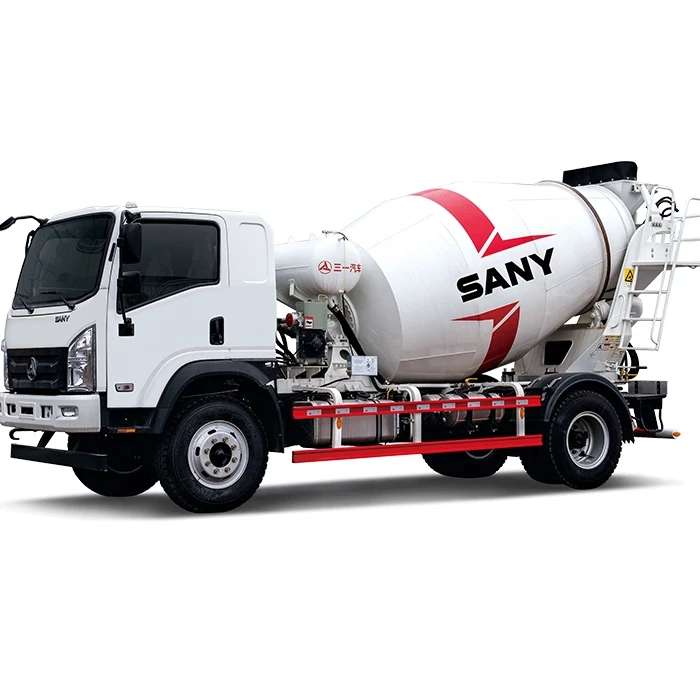
A concrete mixer truck works hard every day. It carries wet concrete over rough roads and keeps spinning that drum. Without regular care, small problems turn into big bills fast. This guide breaks down what to check daily, weekly, and monthly. It works for any brand, including the Shacman concrete mixer truck lineup.
Why Maintenance Matters

Concrete is heavy. It sets fast. And it sticks to everything. A mixer truck deals with all three problems at once. Skip a daily wash, and dried concrete builds up inside the drum. That adds weight, burns more fuel, and cuts drum life in half. Ignore the hydraulic oil, and the pump fails mid-job. Good care keeps the truck on the road and money in your pocket.
Most fleet managers say the same thing. Trucks that get daily washes and weekly checks last three to five years longer. That is a big deal when a new concrete mixer truck costs more than a house.
Daily Checks — Before the First Load
Start each morning with a quick walk-around. It takes ten minutes and catches most problems early.
Check the drum inside and out. Look for cracks, dents, or concrete buildup. A small crack today becomes a split drum tomorrow. Open the hatch and look at the mixing blades. Worn blades mix poorly and waste concrete.
Check the hydraulic oil level. The drum spins because of hydraulics. Low oil means slow spin or no spin. Top it up if the sight glass shows less than half.
Check water tanks and pumps. Every mixer truck needs wash water. Make sure the tank is full and the pump sprays strong. Weak spray means clogged nozzles or a bad pump.
Check tires and brakes. These trucks carry ten to fifteen tons. Soft tires overheat. Thin brake pads fail. Look at both before you roll out.
Check lights and signals. Mixers are wide. Other drivers need to see your turns and stops. A broken light is a ticket waiting to happen.
Wash the drum after every load. This is the golden rule. Spray the drum inside and out while it spins. Wet concrete washes off easy. Dry concrete needs a chisel.

Weekly Checks — Deeper Look
Once a week, go beyond the basics. These checks take about thirty minutes.
Grease all fittings. The drum rollers, support rings, and chute hinges all need grease. Dry bearings squeal first, then seize. A grease gun fixes that.
Check the drive belts. The engine powers the hydraulic pump through belts. Cracked or loose belts slip and overheat. Replace them before they snap.
Inspect the chute and support. The discharge chute takes abuse. Look for cracks, bent edges, or loose bolts. The support arm must lock tight. A loose chute drops concrete on the road.
Check coolant and engine oil. These are basic but easy to forget. Low coolant warps heads. Dirty oil wears bearings. Top up or change as needed.
Test the drum speed. The drum should spin at two set speeds. Slow for mixing. Fast for unloading. If speed drifts, the hydraulic flow control needs adjustment.
Look at the frame and mounts. Cracks in the frame or loose subframe bolts are serious. They get worse with every bump. Catch them early.
Monthly Checks — Full Inspection
Once a month, do a full review. Or send the truck to your shop.
Change engine oil and filters. Heavy loads and stop-and-go driving beat up oil. Monthly changes are cheap insurance. Use the grade the maker calls for.
Change hydraulic filters. Dirty hydraulic fluid kills pumps and motors. The filter traps metal bits and grit. Swap it before it clogs.
Inspect the drum lining. Some drums have replaceable liners. Others are steel all through. Measure liner thickness. Replace it before you hit bare metal.
Check the water system end to end. Flush the tank. Clean the filter screen. Test every spray nozzle. Hard water leaves scale that blocks flow.
Inspect electrical connections. Corroded battery terminals cause slow starts. Loose alternator wires drain the battery. Clean and tighten both.
Review the logbook. Look at fuel use, idle hours, and breakdown notes. Patterns show problems. High idle time burns fuel and stacks carbon in the engine.
Seasonal Notes
Hot weather: Concrete sets faster. Wash the drum more often. Check coolant daily. Keep extra water on board.
Cold weather: Water lines freeze. Drain the tank and lines if temps drop below freezing. Use antifreeze in the engine. Warm up hydraulics before high-speed drum spin.
Wet season: Mud packs into brakes and undercarriage. Pressure wash the chassis weekly. Check brake drums for mud buildup.
One More Thing
A concrete mixer truck is a tool. Like any tool, it works better when you care for it. Daily washes, weekly grease, and monthly oil changes sound simple. They are. But most breakdowns come from skipping the simple stuff. Stay on top of the checklist, and your truck will stay on the job.
Need a reliable unit? MachPlaza lists new and used concrete mixer trucks from top makers. Compare specs, check prices, and find the right fit for your fleet.
FAQs
1. How often should I wash the drum?
After every single load. Wet concrete comes off with water. Dry concrete needs a hammer.
2. What hydraulic oil grade should I use?
Check the truck manual. Most use ISO 46 or 68 anti-wear oil. Do not mix brands.
3. My drum spins slow. What is wrong?
Low oil, worn pump, or slipping belts. Check oil level first. Then look at belts. If both look good, call a hydraulic shop.
4. How long does a mixer drum last?
Ten to fifteen years with good care. Daily washing is the biggest factor. Let concrete harden inside, and you cut that in half.
5. Can I use any water in the wash tank?
Clean water is best. Dirty water clogs nozzles. Hard water leaves scale. Use a filter if your site water is poor.
6. What tire pressure should I run?
Follow the door sticker or manual. Most mixer trucks run 90 to 110 psi. Check when tires are cold.
7. How do I know if the mixing blades are worn?
Look inside the drum. Blades should have square edges and full height. Rounded or short blades mix poorly and leave streaks in the concrete.
8. Should I idle the truck to keep the drum spinning?
Only when you must. Idling burns fuel and loads up the diesel particulate filter. Modern trucks have PTO systems that spin the drum with the engine off.
9. What is the biggest maintenance mistake?
Skipping the daily wash. Dried concrete ruins drums, adds weight, and burns fuel. It is the easiest task and the most ignored.
10. Where can I buy parts for a Shacman concrete mixer truck?
MachPlaza carries parts and full units for Shacman and other major brands. Filters, pumps, and drum parts ship to most countries.
