
How to Choose the Right Asphalt Mixing Plant: Types, Capacity and Key Considerations

Industry News

2026/09/01
Ever watched a road crew lay fresh asphalt and wondered where the hot mix comes from? It comes from an asphalt mixing plant. But not all plants work the same way. Some stay in one place for years. Others move from job to job. Pick the wrong type and you waste money on transport and setup. Pick the right one and you keep the paving crew busy all day.
Stationary Asphalt Mixing Plant: The Fixed Workhorse
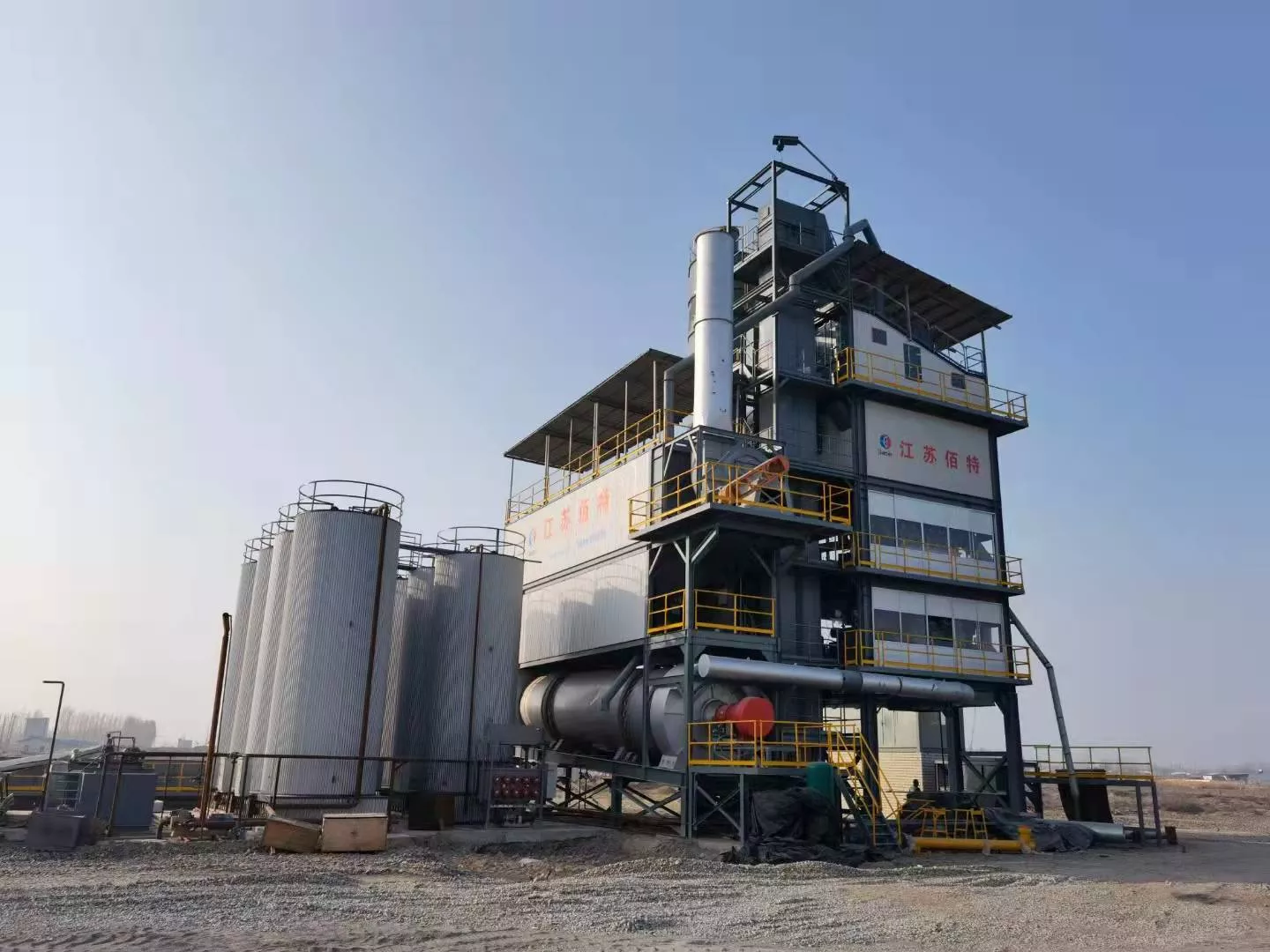
Stationary plants stay at one site. They bolt to a concrete foundation. You can’t move them without taking them apart.
These plants handle big jobs. Highway projects, airport runways, and large city roads need tons of asphalt per day. A stationary plant makes 80 to 400 tons per hour. Some big models push even more.
The setup costs more upfront. You need land, permits, and a solid base. But the cost per ton drops when you run high volume. The plant stays busy for months or years.
Dust control works better on stationary units. You can build full enclosures and baghouse filters. Neighbors complain less about noise and dust.
The downside? You need trucks to haul mix to distant job sites. Hot asphalt cools fast. If the paver sits too far from the plant, you get cold mix and weak pavement.
Mobile Asphalt Mixing Plant: Job Site Flexibility
Mobile plants mount on trailers or skids. You move them with a truck. Setup takes days, not months.
These units suit small to medium jobs. Rural roads, parking lots, and repair work fit well. You make asphalt right where you need it. No long hauls. No cold mix.
Capacity runs lower than stationary plants. Most mobile units make 40 to 120 tons per hour. That’s enough for many jobs but not for a major highway.
The trade-off is flexibility. You finish one job, fold the plant, and haul it to the next. For contractors who work in many towns, this saves time and trucking cost.
Drum Mix Plant: Simple and Fast
Drum mix plants dry and mix aggregate in one rotating drum. The process is continuous. Material goes in one end and hot mix comes out the other.
These plants cost less than batch plants. They also need less space and fewer workers. Many small contractors start with drum mix units.
The mix quality is good for most roads. But you can’t change the formula as easily as with a batch plant. If you need many different mix designs, a drum plant limits you.
Batch Mix Plant: Precise Control
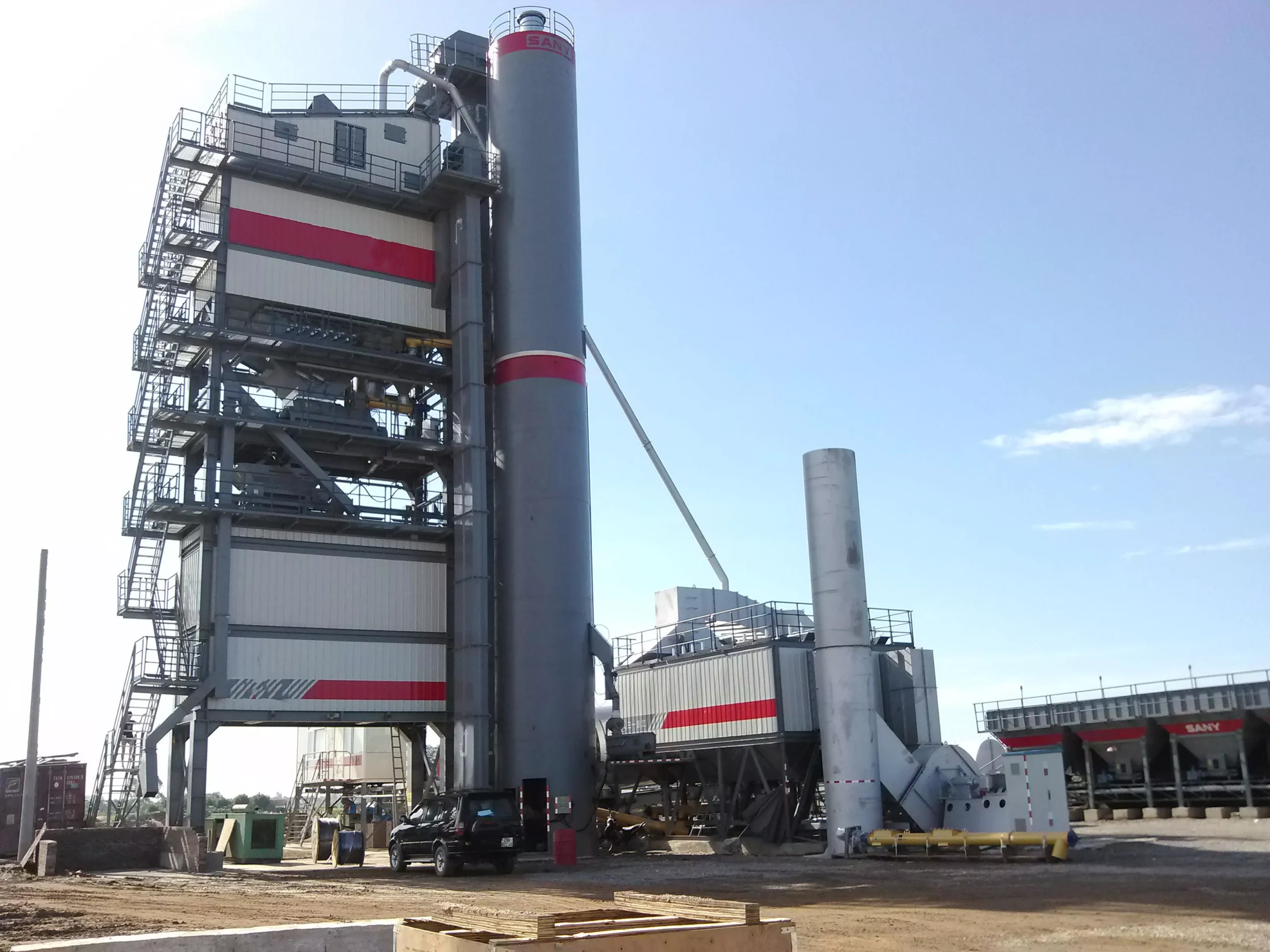
Batch plants weigh each ingredient before mixing. You load aggregate, bitumen, and filler into a pugmill. The batch mixes for a set time. Then you dump it and start the next batch.
This gives exact control. You can switch mix designs between batches. One load uses surface course mix. The next uses base course. Road agencies often require batch plants for spec work.
Batch plants cost more and need more space. They also need more operator skill. But the quality control pays off on demanding jobs.
Key Considerations When You Buy
Capacity vs Demand
Match the plant output to your paving speed. A paver that lays 100 tons per hour needs a plant that keeps up. If the plant runs slower, the paver waits. Waiting costs money.
Fuel Type
Most plants burn diesel or heavy oil. Some use natural gas where pipelines exist. Gas costs less but needs infrastructure. Check local fuel prices before you decide.
Environmental Rules
Many areas limit dust and smoke. Baghouse filters, wet scrubbers, and noise enclosures add cost. But fines cost more. Check local rules before you buy.
Parts and Service
Asphalt plants break. Screens wear out. Bearings fail. Burners clog. Make sure your supplier stocks parts nearby. Downtime kills profits.
Cold Feed Bins
More bins mean more aggregate types. Four bins let you blend different stone sizes. Six bins give even more control. More bins cost more but improve mix quality.
A Few Points
Mobile plants save haul distance. Stationary plants save cost per ton at high volume.
Drum mix plants suit simple jobs. Batch plants suit spec work with many mix types.
Hot storage silos let you make asphalt ahead of time. This smooths out paving schedules.
Recycled asphalt pavement (RAP) systems cut material cost. Check if the plant handles RAP.
One More Thing
The right asphalt mixing plant keeps your paving crew moving. The wrong one leaves trucks idle and workers waiting. Think about your typical job size, location, and mix requirements. Then match the plant to your work.
Need help finding an asphalt mixing plant? MachPlaza lists stationary and mobile plants from many brands. Compare specs, prices, and seller ratings in one place.
FAQs
1. What’s the difference between stationary and mobile asphalt plants?
Stationary plants stay at one site. They make more tons per hour but need haul trucks. Mobile plants move between jobs. They make less per hour but cut transport cost.
2. How much asphalt can a plant make per hour?
Small mobile units make 40 to 80 tons. Mid-size plants make 120 to 160 tons. Big stationary plants hit 240 to 400 tons per hour.
3. Which costs less to run, drum mix or batch?
Drum mix plants cost less upfront and need fewer workers. Batch plants cost more but give better mix control.
4. Can a mobile plant handle highway work?
Small highways yes. Major interstates need bigger output. Most mobile plants top out around 120 tons per hour.
5. How long does setup take for a mobile plant?
A few days with a trained crew. Stationary plants need weeks or months of foundation work.
6. What fuel do asphalt plants use?
Diesel, heavy oil, or natural gas. Gas is cheapest where pipelines exist. Diesel works everywhere.
7. Do I need special permits for an asphalt plant?
Yes. Most areas need air quality permits. Noise and dust rules apply too. Check before you buy land.
8. Can I add recycled asphalt to the mix?
Many plants accept RAP. Check the percentage limit. Some handle 30% recycled content. Others take 50% or more.
9. How long does an asphalt plant last?
Fifteen to twenty years with good care. Screens, bearings, and burners need regular replacement.
10. Where can I compare asphalt plant prices?
MachPlaza lists new and used plants. Filter by type, capacity, and brand. Talk to sellers directly.
