
Tractor Truck: Complete Guide to Types, Specifications, Operation and Maintenance

Industry News

2026/09/02
Ever see a big rig hauling a shipping container down the highway? The front part with the engine and cab is the tractor truck. It pulls the trailer but carries no cargo itself. This setup moves most of the world’s freight. But not all tractor trucks suit every job. Some haul heavy loads across mountains. Others run short routes in cities. Pick the wrong one and fuel costs eat your profit. Pick the right one and you keep loads moving on time.
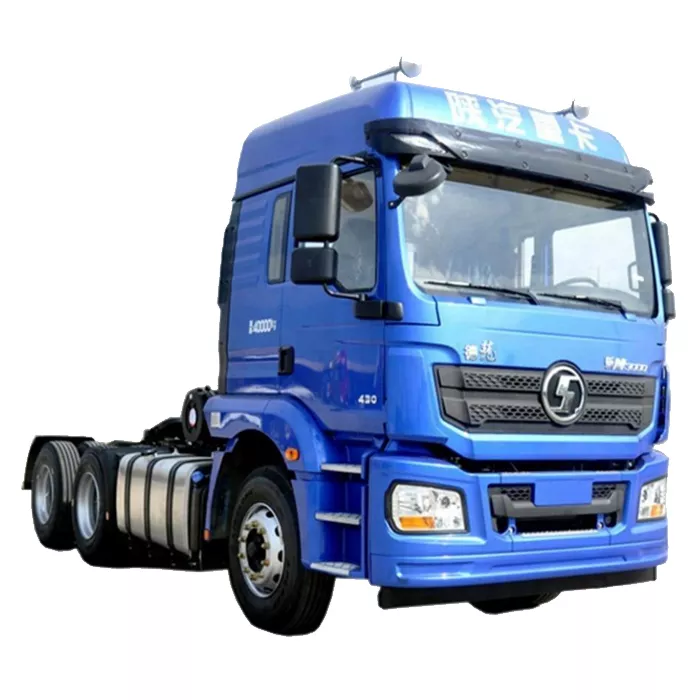
What Is a Tractor Truck?
A tractor truck is the powered unit of a semi-trailer combination. It has the engine, cab, and fifth wheel. The fifth wheel connects to the trailer kingpin. When hooked up, the tractor pulls the trailer and its cargo.
Tractor trucks come in many sizes. Light-duty models handle local delivery. Heavy-duty units pull 40-ton containers across continents. The right choice depends on route, cargo, and local rules.
Types of Tractor Trucks
Day Cab Tractor
Day cabs have no sleeper behind the seats. They weigh less and cost less. Drivers go home each night. These trucks suit local and regional routes. Delivery fleets and port drayage operators use them often.
Sleeper Cab Tractor
Sleeper cabs have a small bed behind the front seats. Long-haul drivers rest in the truck. This saves hotel cost and keeps drivers with the cargo. Sleepers add weight and price. But for cross-country runs, they pay back fast.
Heavy-Haul Tractor
Heavy-haul tractors pull oversize loads. Think construction machines, wind turbine parts, and bridge beams. They have stronger frames, bigger engines, and extra axles. Some units put out 600 horsepower or more.
4×2, 6×4, and 6×6 Configurations
The numbers tell you how many wheels drive. A 4×2 has four wheels total and two drive wheels. A 6×4 has six wheels total and four drive wheels. More drive wheels mean better grip on mud and snow. They also let you haul heavier loads where rules allow.
Key Specifications
Engine Power
Small tractors run 300 to 400 horsepower. Mid-size units hit 400 to 500. Heavy-haul tractors need 500 to 600 or more. More power climbs hills faster. It also burns more fuel.
Torque
Torque matters more than horsepower for heavy loads. High torque at low rpm lets the truck start on a grade. Look for torque numbers, not just horsepower.
Transmission
Manual transmissions cost less and last longer. Automatic and automated manuals reduce driver fatigue. Many fleets now prefer automated manuals for fuel savings.
Axle Ratings
Front axles carry the engine weight. Rear axles carry the trailer pin weight. Check that axle ratings match your typical loads. Overloading axles causes fines and breakdowns.
Fuel Tank Size
Long-haul trucks need big tanks. Dual tanks with 300 gallons or more let you run all day without stopping. Short-haul trucks can use smaller tanks and save weight.
Operation Basics
Pre-Trip Inspection
Check tires, brakes, lights, and fluid levels every morning. Look under the truck for leaks. Inspect the fifth wheel for cracks. A five-minute walk-around prevents roadside breakdowns.
Coupling and Uncoupling
Back the tractor under the trailer. Raise or lower the trailer until the kingpin locks into the fifth wheel. Connect air lines and electrical cable. Test brakes before moving.
Weight Distribution
Load the trailer so weight sits over the axles. Too much weight on the pin overloads the tractor rear axle. Too little weight on the pin causes trailer sway.
Driving Technique
Start slow with heavy loads. Use engine braking on long downhills. Keep extra distance for stopping. Watch overhead clearance with tall trailers.
Maintenance Tips
Engine Oil
Change oil every 15,000 to 25,000 miles. Heavy-duty diesels hold many gallons. Skipping changes wears bearings and shortens engine life.
Coolant System
Check coolant level weekly. Flush the system every two years. Overheating cracks heads and blocks.
Brake System
Air brakes need daily draining of water traps. Check brake pad thickness monthly. Adjust slack adjusters as needed.
Tires
Keep tires at proper pressure. Underinflated tires overheat and blow out. Rotate tires to even out wear.
Fifth Wheel
Grease the fifth wheel plate weekly. A dry plate wears the kingpin and causes harsh coupling.
Common Tractor Truck Parts
Engines, transmissions, and axles are the big three. But many smaller parts wear out too. Clutch kits, brake shoes, air compressors, and steering components need regular replacement.
Keep common parts in stock. Downtime costs more than inventory. Find reliable suppliers who ship fast.
A Few Points
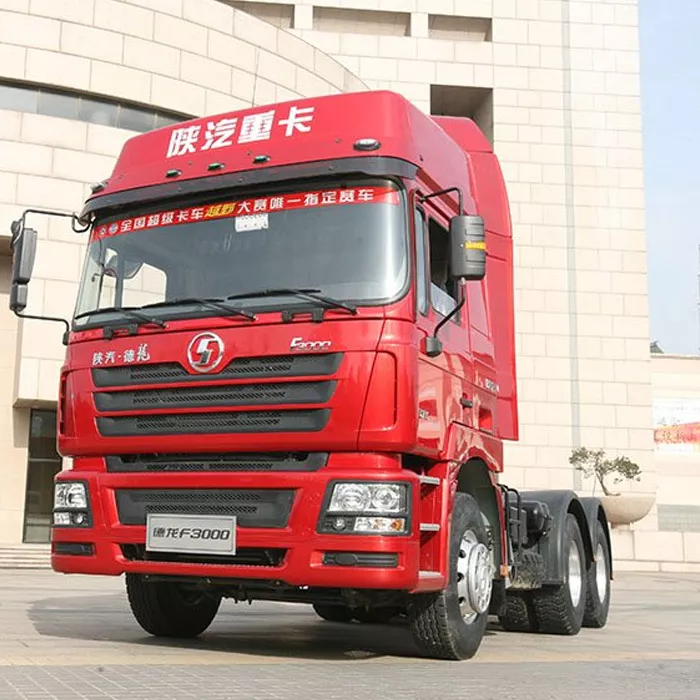
Day cabs save weight and cost for local work. Sleepers pay back on long routes.
More axles mean more payload where rules allow. But they also add weight and fuel use.
Automated manuals save fuel and reduce driver strain. Manuals cost less to buy and fix.
Pre-trip inspections take minutes. Breakdowns take hours.
One More Thing
A tractor truck is a tool. The right tool makes money. The wrong tool costs money. Match the truck to the route, cargo, and driver. Then keep it maintained.
Need a tractor truck for your fleet? MachPlaza lists new and used units from many brands. Compare specs, prices, and seller ratings in one place.
FAQs
1. What’s the difference between a day cab and sleeper tractor?
Day cabs have no bed. Drivers go home each night. Sleepers have a bed for long-haul rest.
2. How much horsepower does a heavy-haul tractor need?
Most heavy-haul units run 500 to 600 horsepower. Some special jobs need even more.
3. What does 6×4 mean on a tractor truck?
Six wheels total, four drive wheels. More drive wheels give better traction and higher axle ratings.
4. How often should I change engine oil?
Every 15,000 to 25,000 miles. Check the manual for your engine model.
5. Can I pull any trailer with any tractor?
No. Match the fifth wheel height and kingpin size. Check weight ratings too.
6. What’s the most common tractor truck part to replace?
Brake shoes and clutch kits wear fastest. Keep them in stock.
7. Do automated manuals save fuel?
Yes. Most fleets see 3% to 7% fuel savings versus manual transmissions.
8. How long does a tractor truck engine last?
With good care, 800,000 to 1,000,000 miles. Some run longer with overhauls.
9. What’s the best axle configuration for highway hauling?
6×4 suits most highway work. 4×2 works for light loads on good roads.
10. Where can I find tractor truck parts and trucks?
MachPlaza lists tractors and parts from many sellers. Filter by brand, spec, and price.
