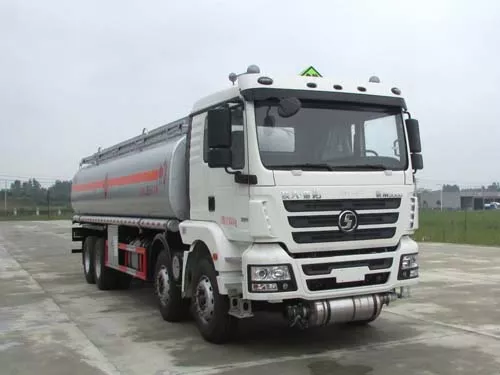
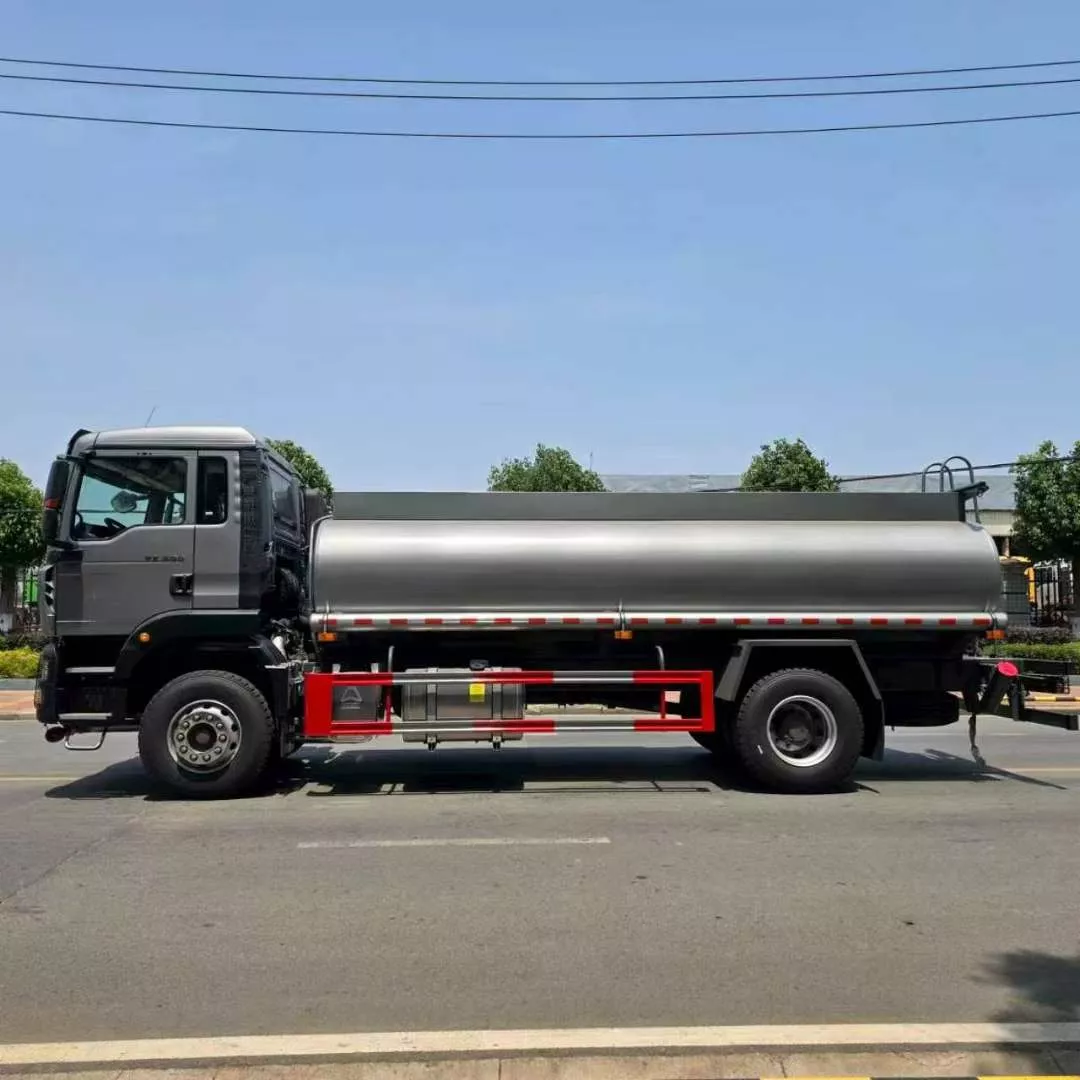
Oil tank trucks move liquids that power the world. But not every tanker does the same job. Some carry fuel to gas stations. Some move crude from wells. Others haul chemicals that need special care. This guide breaks down the main types so you know what fits your work.
Fuel tankers are the ones you see at gas stations. They move gasoline, diesel, and kerosene. These trucks have round tanks with several compartments. Each compartment carries a different fuel type. That stops mixing and keeps quality high.
The tanks use aluminum or carbon steel. Aluminum costs more but weighs less. That means more payload per trip. Fuel tankers also have special valves and vents. They stop fumes from escaping. Safety rules are strict for these trucks. They need grounding systems and spill trays.
Crude oil tank trucks work near drilling sites. They move raw oil from the well to refineries or rail hubs. These trucks face rough roads and bad weather. So they need strong frames and heavy-duty suspensions.
Crude is thick and dirty. It may carry sand, water, or gas. The tanks need thick walls and easy clean-out hatches. Some crude tankers use heating coils. Heat keeps the oil flowing in cold weather. Crude trucks often run in remote areas. Reliability matters more than looks.
Chemical tankers haul acids, solvents, and liquid fertilizers. Each chemical acts different. Some eat through metal. Some need steady temperature. So these trucks use special linings or stainless steel tanks.
Drivers need extra training for chemical loads. The trucks carry spill kits and safety gear. Labels on the tank show what is inside. That helps first responders in a crash. Chemical tankers cost more to build and run. But they serve industries that need them.
Not all tankers carry fuel or chemicals. Some move cooking oil, milk, or syrup. These trucks use food-grade stainless steel. They have easy-clean interiors and no sharp corners where bacteria hide.
Food-grade tankers need wash certificates between loads. One load of palm oil cannot mix with a load of milk. The tanks have insulation to keep product fresh. These trucks look similar to fuel tankers but the build rules are very different.
LPG tankers carry propane and butane. These gases turn liquid under pressure. The tanks are round and thick. They hold pressure up to 20 bar or more. Safety valves release gas if pressure gets too high.
These trucks need regular testing. Inspectors check welds, valves, and wall thickness. Drivers need special licenses. LPG tankers serve farms, factories, and homes. They fill gas cylinders and bulk tanks.
Start with what you move. Fuel needs compartments. Crude needs strength. Chemicals need liners. Food needs clean steel. Gas needs pressure tanks. Match the tank to the product.
Next, check local laws. Some countries limit tank size or axle weight. Others need special permits for hazardous loads. Ask about road tolls too. Heavier trucks pay more.
Think about your routes. City driving needs a short wheelbase. Highway hauls need big tanks and strong engines. Off-road sites need four-wheel drive and high ground clearance.
Carbon steel is cheap and strong. It works for fuel and crude. But it rusts. Aluminum fights rust and saves weight. It costs more upfront. Stainless steel lasts longest. It is a must for chemicals and food.
Check the welds. Good welds are smooth and even. Bad welds crack under stress. Ask who built the tank. A known factory beats a backyard welder. Look for ISO or DOT certs. They show the tank meets safety rules.
The right oil tank truck keeps your product safe and your drivers safe. Do not cut corners on tank quality. A leak costs more than a good tank. Buy smart and the truck pays you back for years.
Q1: What is the difference between a fuel tanker and a crude oil truck?
Fuel tankers have many small compartments for different fuels. Crude trucks use one big tank for raw oil. Crude trucks also need thicker walls and heating coils.
Q2: Can one tanker carry both fuel and chemicals?
No. Chemicals need special linings. Fuel residues mix badly with acids or solvents. Use a dedicated tank for each product type.
Q3: What material is best for tank walls?
Aluminum saves weight. Stainless steel resists rust and chemicals. Carbon steel works for basic fuel hauls. Pick based on your load and budget.
Q4: Do oil tank trucks need special licenses?
Yes. Most places need a commercial driver license. Hazardous loads need extra certs. Check your local transport office for details.
Q5: How often do tanks need inspection?
Pressurized tanks need yearly checks. Fuel and chemical tanks need inspection every two to three years. Food-grade tanks need wash checks after each load.
Q7: Is a bigger tank always better?
Not always. Big tanks mean more weight. Some roads limit axle loads. A bigger tank also needs more turning space. Match tank size to your route and local rules.