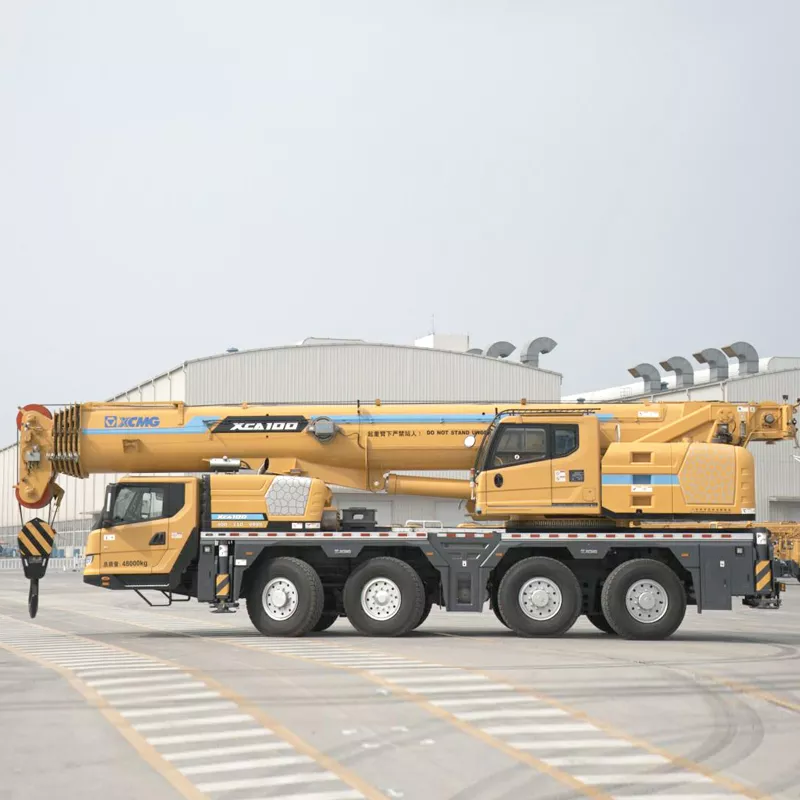
Picking the right all terrain crane is not easy. These machines cost a lot. One wrong move and you lose time and money. This guide breaks down seven key points so you buy smart.
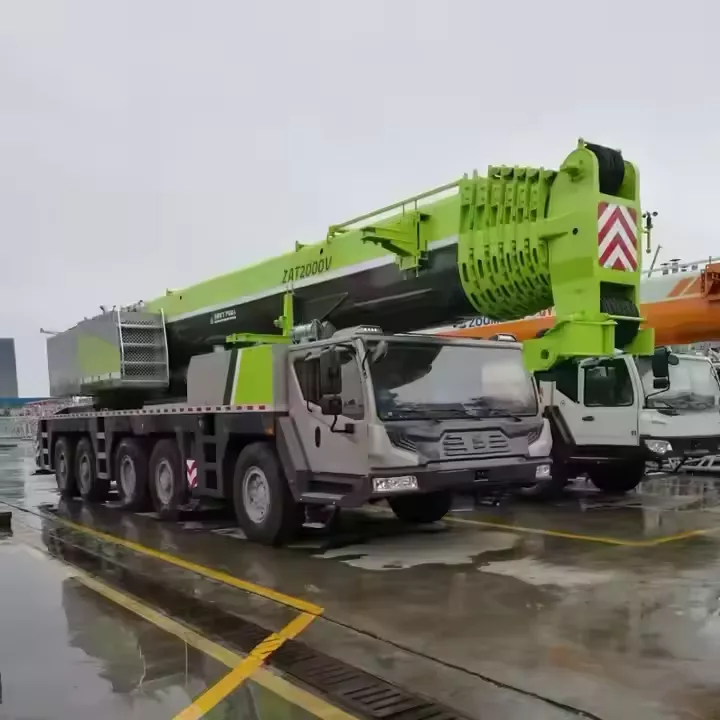
You need to know the max weight the crane will lift. Think about your heaviest load. Add some margin. A crane rated at 100 tons might not lift 100 tons at full boom reach. Check the load chart. It tells you the real numbers at different angles and distances. Do not guess. Ask the seller for the chart and read it.
Boom length sets how high and how far you can reach. All terrain cranes come with main booms and jib options. Some jobs need extra height. Others need a long reach over obstacles. Look at the boom sections. More sections mean more flexibility. Ask if the jib is included or extra. A short boom saves money but limits your work.
These cranes drive on roads and off roads. That is the whole point. Count the axles. More axles spread weight better. They help on soft ground. Check the steering modes too. Some cranes turn all wheels. That helps in tight job sites. Ask about max road speed. A faster crane moves between sites quicker. That saves fuel and driver hours.
Not every job site is flat concrete. Some are mud. Some are gravel. Ground pressure matters. Lower pressure means less damage to soft ground. Check the tire size and type. Some cranes use special tires for rough land. Ask the seller where this crane has worked before. If your site is mostly dirt, pick a crane built for it.
Cranes break. It is normal. What matters is how fast you fix them. Ask where parts come from. Are they in stock nearby? How long does shipping take? Some brands have dealers in many countries. Others do not. Also check who can service the crane locally. A cheap crane with no parts is not cheap for long. Keep spare filters, hoses, and pins on hand.
Some brands have made cranes for decades. Others are new. Look at reviews from real owners. Ask about common problems. Check resale value too. A good brand holds value. XCMG, SANY, Zoomlion, and Tadano are names you see often. Each has strengths. Match the brand to your market and budget.
The sticker price is just the start. Think about fuel use, insurance, transport, and upkeep. A newer crane costs more upfront but may need fewer repairs. An older crane is cheaper but can surprise you. Run the numbers for five years. Include operator training and certification. The cheapest buy is not always the cheapest own.
Take your time. Visit the crane in person if you can. Test the controls. Look at the engine hours. A good crane fits your work, your ground, and your budget. Get it right and it earns for years.
Q1: What is an all terrain crane?
It is a mobile crane that drives on highways and rough ground. It has big tires and strong suspension. You do not need a trailer to move it.
Q2: How much do they cost?
Prices range from $200,000 to over $2 million. Used ones cost less. Year, brand, and tonnage all change the price.
Q3: Do I need a special license?
Yes. Most places need a certified crane operator. Rules vary by country. Check local laws before you buy.
Q4: Can they work in rain or snow?
Most can. But wind is the real problem. Each crane has a wind speed limit. Check the manual and stop work if wind is too high.
Q5: How long does the boom last?
With normal use and care, a boom lasts the life of the crane. Inspect it yearly. Look for cracks or bent sections.