
Telehandler Daily Maintenance and Service Tips

Industry News

2026/05/08
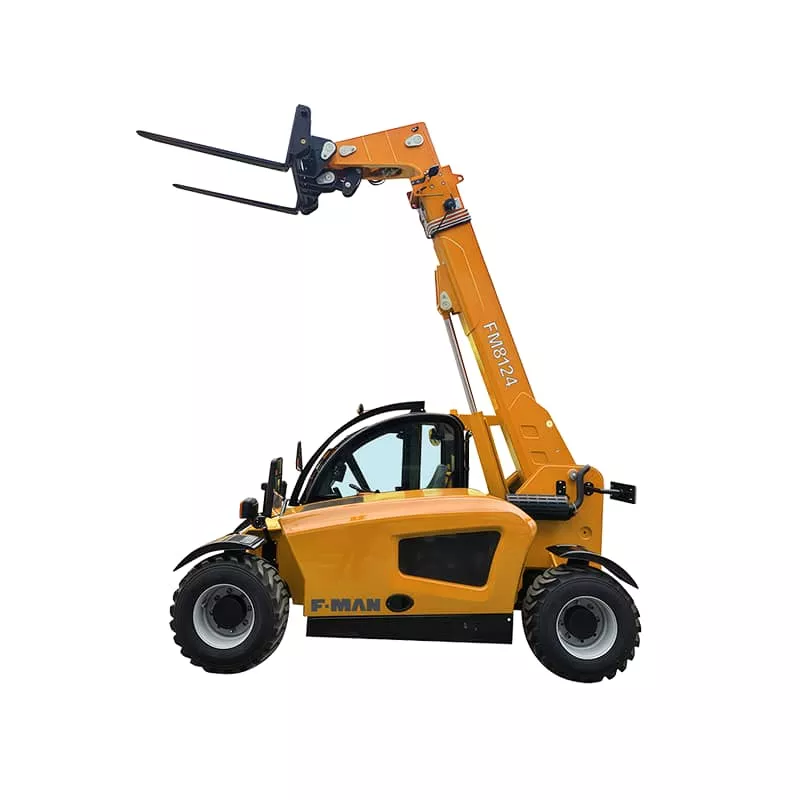 Telehandlers are versatile lifts. They reach high and lift heavy loads. Like all equipment, they need daily care. Proper maintenance keeps them running. It also prevents costly repairs. This guide covers daily maintenance basics for telehandlers.
Why Daily Maintenance Matters
Telehandlers work hard. They lift loads to high places. The extended boom stresses many parts. Regular care extends machine life. It also keeps operators safe.
Downtime Prevention
Small problems become big problems. A loose bolt becomes a cracked frame. A dirty filter reduces power. Daily checks catch these early.
Safety
Operators trust their machines. Worn parts fail without warning. Daily inspections catch worn ropes and unsafe forks. This protects workers below.
Value Retention
Well-maintained telehandlers hold value. Resale value matters. Buyers want service records. Good maintenance pays off at trade-in time.
Daily Pre-Operation Checks
Start each day with a visual inspection. Walk around the machine.
Fluid Levels
Check hydraulic fluid first. Low fluid damages pumps. Look at the sight gauge. Add fluid if needed. Check engine oil too. Pull the dipstick and wipe it clean. Insert it fully and check the level. Coolant level matters in summer and winter.
Tire and Track Condition
Inspect tires for cuts and damage. Look for uneven wear. Check tire pressure with a gauge. Low pressure reduces stability. Worn tires need replacement. Check lug nuts for tightness.
Boom and Mast Inspection
Inspect the boom for cracks. Look at weld areas carefully. Check hydraulic cylinders for leaks. Damaged cylinders leak fluid. Inspect the chain and cable system. Look for frayed or broken strands.
Fork and Attachment Checks
Forks wear on the tips. Measure fork thickness. Replace when worn twenty percent. Check fork hooks for cracks. Look at the carriage. Make sure it locks securely.
Lights and Mirrors
Test all lights before use. Clean mirrors for good visibility. Check backup alarms. Warning lights fail must be fixed immediately.
Fluid and Filter Maintenance
Fluids keep the machine running. Clean fluids prevent wear.
Hydraulic System
The hydraulic system needs clean fluid. Change hydraulic filters every 500 hours. Use OEM filters for best fit. Check hoses for cracks and leaks. Replace worn hoses before they burst.
Engine Oil
Check engine oil daily when hot. Dipsticks show oil level accurately. Change oil every 250 hours. More often in dusty conditions. Use the recommended oil grade.
Fuel System
Keep fuel clean. Use clean containers. Filter fuel when filling. Water in fuel causes big problems. Drain water separators daily.
Coolant
Check coolant daily. Low coolant causes overheating. Use the correct coolant type. Mix antifreeze with water properly.
Lubrication Points
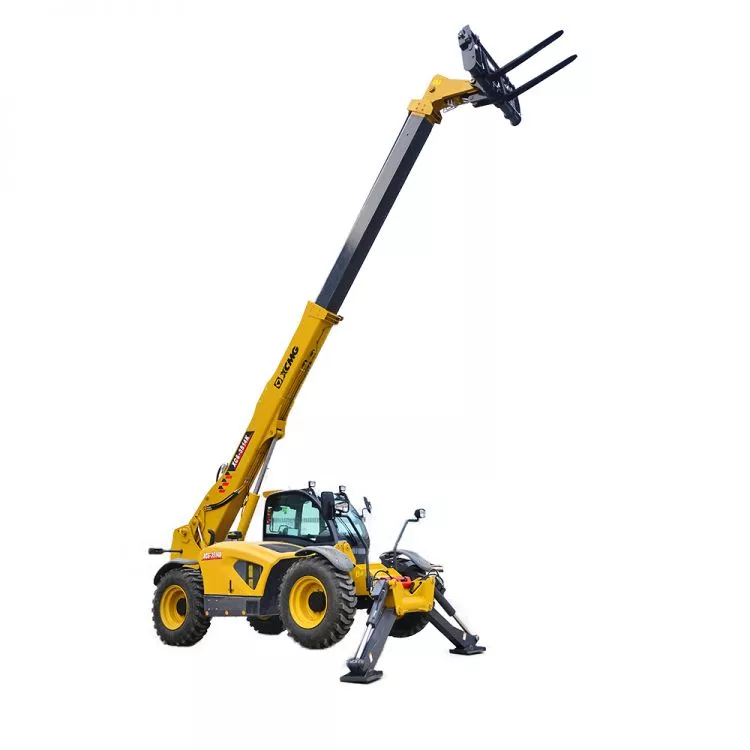 Telehandlers have many lube points. Grease daily in normal conditions. Grease more often in wet or dusty conditions.
Boom Pivots
Grease all boom pivot points. Use a quality grease. Too much grease attracts dirt. Not enough causes wear.
Carriage Rollers
Rollers support the fork carriage. They need grease to roll smoothly. Unlubricated rollers seize and drag.
Steer Axle
The steering axle has many joints. Grease them daily. This prevents expensive repairs.
Winch and Cable
If equipped with a winch, lubricate it. Use the correct gear oil. Check the cable for wear.
Operational Checks
Start the machine and test systems. Run the hydraulic functions.
Boom Function
Raise and lower the boom. Extend and retract the telescope. Check for unusual sounds. Listen for knocking or hissing.
Steering
Turn the steering wheel fully both ways. Check response time. Slow steering indicates problems.
Brake Function
Test the brakes with a light load. Test parking brake engagement. Worn brakes need adjustment.
Lift Capacity
Test the load chart. Lift a test load. Check that the overload indicator works. This protects the machine and operators.
Common Problems to Watch For
Know the warning signs. Early detection prevents breakdowns.
Hydraulic Leaks
Fluid on the ground means a leak. Find the source and fix it. Leaks lower fluid levels quickly.
Unusual Sounds
Knocking, clicking, or hissing signals problems. Squealing belts need adjustment. Rattling parts need tightening.
Slow Operation
Slow lifting or extending means trouble. Low fluid is the first cause. Check filters if fluid is full.
Overheating
Hot fluids damage pumps. Watch temperature gauges. Stop and cool if temperatures rise.
Maintenance Schedule Summary
Daily tasks keep telehandlers running.
| Task | Frequency |
| Fluid levels check | Daily |
| Visual inspection | Daily |
| Grease all points | Daily |
| Lights and safety | Daily |
| Filter changes | Every 500 hours |
| Oil changes | Every 250 hours |
| Detailed inspection | Every 250 hours |
Tips for Long-Term Care
Beyond daily care, plan for the future.
Operator Training
Trained operators maintain better. They notice problems early. They operate more efficiently.
Record Keeping
Keep maintenance logs. Record hours, fluids, and repairs. Good records help diagnose recurring problems.
Winter Storage
Store properly in winter. Disconnect the battery. Add fuel stabilizer. Protect from mice and moisture.
Professional Service
Schedule professional inspections. Trained technicians find problems. They also perform specialized repairs.
FAQs
How often should I grease my telehandler?
Grease it daily in normal conditions. Grease more often in wet or dusty conditions.
What causes slow boom movement?
Low hydraulic fluid is the most common cause. Check fluid levels first. Replace filters if fluid is full.
How often change hydraulic filters?
Every 500 hours is standard. Change more often in dirty conditions.
When should I replace the forks?
Replace when worn twenty percent. Replace when cracked or bent.
Can I use after-market filters?
OEM filters fit better. After-market filters sometimes cause problems. Research the brand first.
What causes overheating?
Low coolant is common. Blocked radiators cause overheating. Low hydraulic fluid also causes heat.
How long do telehandlers last?
With good care, 10000 hours is common. Some reach 15000 hours.
What is the most important maintenance task?
Daily fluid level checks prevent the most breakdowns. Never skip this step.For quality telehandler parts and maintenance supplies, visit MachPlaza. They offer OEM parts for all major brands. Fast shipping keeps your equipment running.
