
How to Choose the Right Bulldozer for Your Project

Industry News

2026/05/08
 Choosing a bulldozer is a big decision. The wrong machine wastes money. The right one gets the job done fast. This guide helps you pick the perfect dozer for your project.
Know Your Project Requirements
Start with the work. Not all projects need the same machine.
Soil Type
Different soil demands different dozers. Sandy soil slides easily. Clays stick and grab. Rocky ground beats up undercarriages. Know your soil before you shop.
Terrain
Flat sites need less power. Hills and slopes demand more traction. Rocky ground needs strong guards. Wet sites need special guards.
Job Size
Small jobs waste money on big machines. Large jobs need big dozers. Match the machine to the site.
Bulldozer Size Matters
Size affects everything. Cost, transport, and capability all change with size.
Small Dozers
Machines under 100 horsepower work in tight spots. They fit through gates and between buildings. They cost less to run. They work well for landscaping and final grading.
Medium Dozers
100 to 200 horsepower handle most construction work. They push soil, clay, and rubble. They balance power and mobility.
Large Dozers
Over 200 horsepower move massive amounts. They strip land and mine. They handle tough conditions. They cost more to run and transport.
Engine Power and Fuel Efficiency
Power saves time. Fuel costs money. Find the balance.
Horsepower Ratings
More horsepower digs faster. It also burns more fuel. Think about your daily workload. Faster digging may not offset higher fuel use.
Tier Standards
New engines meet emission standards. Tier 4 engines cost more. But they save on fuel. They also last longer.
Fuel Consumption
Ask about real-world fuel use. Test runs show realistic numbers. Dozer engines vary in efficiency.
Undercarriage Types
The undercarriage touches the ground. It affects traction and cost.
Standard
Standard track works on most ground. It spreads weight well. It lasts long on hard surfaces.
Wide
Wide track spreads weight more. It works on soft ground. It prevents sinking. It also reduces ground damage.
Extra Wide
Extra wide tracks float on sand and mud. They work in wetlands. They cost more and wear faster.
Blades and Capacities
The blade moves the material. Different blades handle different jobs.
Straight Blades
Straight blades dig and push. They excel at rough grading. They handle tough materials.
U-Blades
U-blades hold more material. They reduce spillage. They work well for loading and long pushes.
Angle Blades
Angle blades move material to the side. They work for ditching and spreading. They clean up sites well.
Capacity Ratings
Bigger capacity digs less trips. But bigger blades need more power. Match blade to engine size.
Operator Comfort
Operators work long hours. Comfort affects safety and productivity.
Cab Design
Good visibility matters. Look for large windows. Rear and side visibility prevent accidents.
Controls
Modern joysticks reduce fatigue. Climate control keeps operators alert. Heated seats help in cold weather.
Noise Levels
Quiet cabs reduce fatigue. Low noise prevents hearing damage. Check decibel ratings.
Maintenance and Support
Downtime costs money. Easy maintenance saves money.
Access Points
Ground-level access speeds service. Remote filters simplify changes. Look for daily service points.
Dealer Support
Nearby dealers matter. Quick parts availability reduces downtime. Training support helps operators.
Parts Availability
Common parts should be easy to find. OEM parts cost more but fit better. After-market parts save money.
New vs Used
Both options have merits.
New Machines
New machines have full warranties. They meet current emissions. They include the latest features. They cost more.
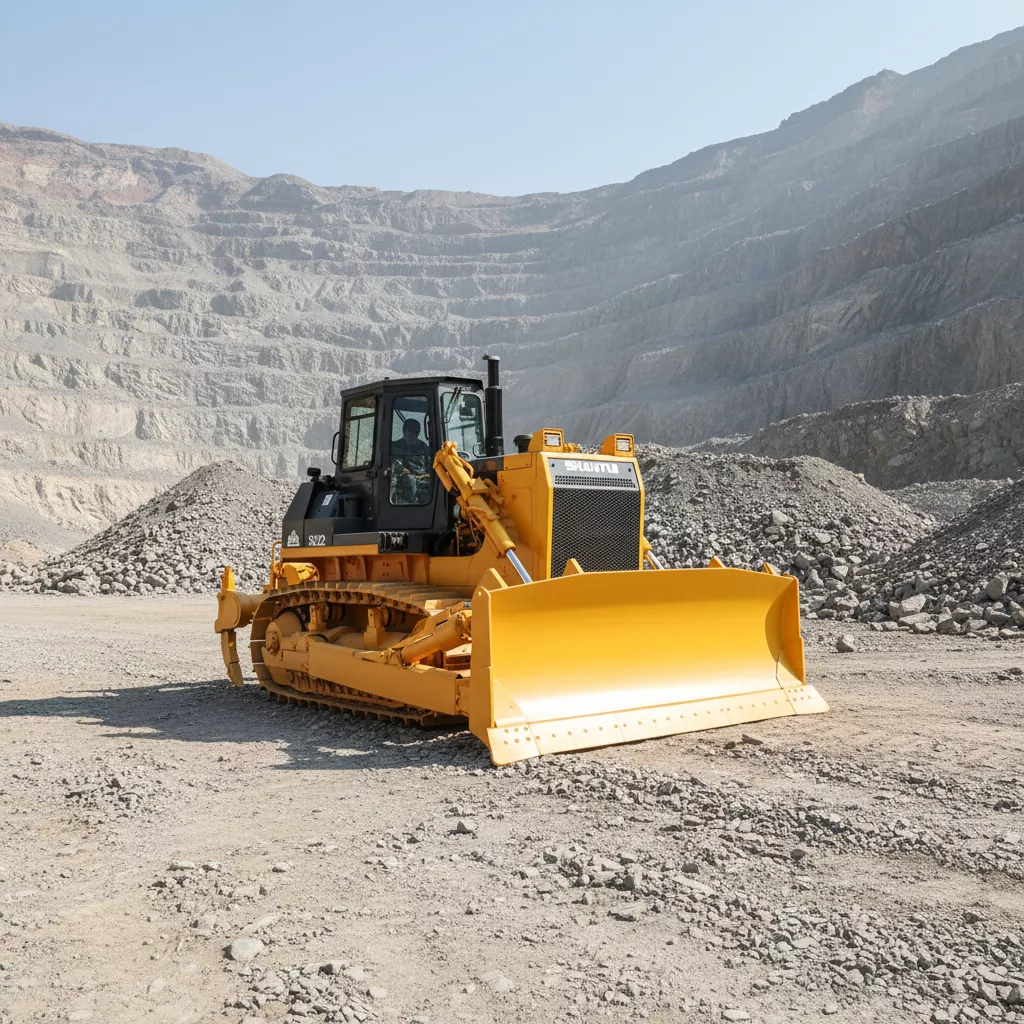
FAQs
What size bulldozer do I need for home building?
A 100 to 150 horsepower dozer handles most home building. It digs foundations and grades sites.
How long do bulldozers last?
With good care, 15000 hours is common. Some reach 20000 hours.
What is the best blade for clearing land?
A U-blade holds more. It moves trees and stumps well.
Should I buy new or used?
Used makes sense if the hours are low. New if emissions matter and warranty is important.
What undercarriage for muddy sites?
Wide or extra wide tracks prevent sinking. Rock guards help with debris.
How much does a bulldozer cost?
New medium dozers start around $150000. Large machines exceed $500000.
What brands last longest?
Caterpillar, Komatsu, and Shantui have strong records. Parts support matters too.
Can I finance a bulldozer?
Most dealers offer financing. Banks also lend for heavy equipment.
Finding the right bulldozer takes research. Match the machine to your project. Consider fuel, maintenance, and support. For parts and equipment, visit MachPlaza. They supply dozers and parts for all major brands.
