
How to Choose a Rough Terrain Crane

Industry News

2026/05/07
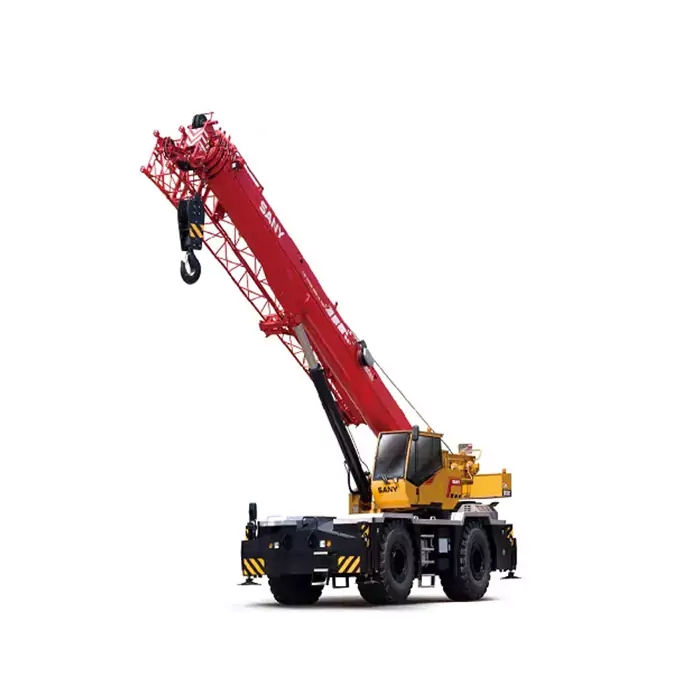
Buying a rough terrain crane is rarely just about the headline lifting number. On an actual jobsite, the wrong machine usually shows its limits in other places first: soft ground after rain, a narrow access road, a steel installation with awkward radius, or a shutdown schedule that leaves no room for delays. Rough terrain cranes are built for exactly these situations. They are widely used on construction, industrial, oil and gas, mining, and energy projects because they combine mobile lifting with off-road travel, compact maneuvering, and jobsite flexibility.
That matters for buyers because two cranes with similar rated capacity can perform very differently once terrain, setup time, lift radius, and operator visibility are taken into account. A good purchase decision starts with the site, not the brochure. On today’s market, rough terrain cranes are available across a broad spread of capacities, from common 20–70 ton classes to machines above 70 tons, with a large number of options built around different boom lengths, jib heights, and duty profiles. MachPlaza’s crane range reflects that spread, with a deep rough terrain segment and multiple capacity bands suited to different project scales.
What makes a rough terrain crane different?
Before comparing offers, it helps to pin down what this machine is meant to do.
A rough terrain crane is a mobile crane designed for uneven, unpaved, or restricted-access worksites. Typical features include large tires, strong off-road traction, compact dimensions, telescopic boom configuration, and steering systems that support tighter movement on crowded sites. In practice, that makes it a common choice for plant work, foundation construction, material handling in remote areas, yard lifting, and short-duration heavy lifts where fast relocation inside the site matters.
That does not mean it replaces every other crane type. A rough terrain crane is usually the better fit when the machine will spend most of its time inside the project area rather than traveling long distances on public roads. When access is rough, the ground is less predictable, and the work zone is tight, it often becomes the more practical option than a road-focused mobile crane.
Where rough terrain cranes are most useful
The buying logic becomes clearer when the end use is specific rather than general.
On a mid-rise construction site, a rough terrain crane may be used to unload steel sections in the morning, lift rebar cages before noon, and reposition mechanical units later in the day. On an industrial maintenance job, it may work between existing structures where turning space is limited and shutdown time is expensive. On an energy or mining site, the same crane category is valued because it can move over uneven ground and still handle precise lifting without a separate long-distance transport cycle inside the operation area. These use cases align with the sectors most often linked to rough terrain crane demand: construction, industrial work, oil and gas, mining, and wind-related projects.
Typical buying scenarios
- General building construction on soft or unfinished ground
- Plant shutdowns and maintenance lifting
- Equipment installation in refineries and process sites
- Material handling in mining areas
- Component lifting on infrastructure and energy projects
The pattern across these jobs is simple. Buyers are usually paying for access, mobility, and setup speed as much as for raw lifting force.
The factors that actually decide whether the crane will fit the job
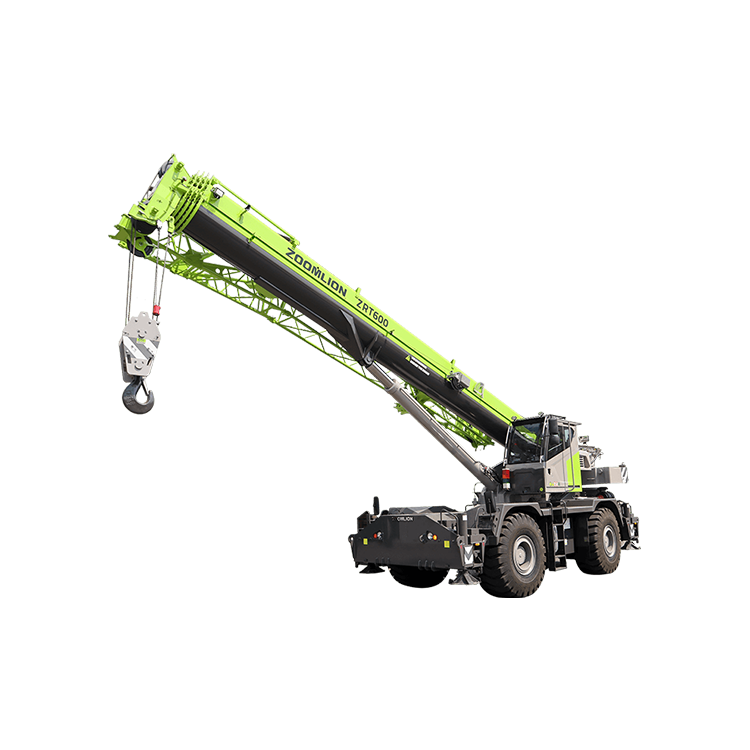
Capacity is important, but it is only one part of the decision. The best buyers usually check several variables together.
1. Working capacity at radius, not just maximum capacity
The first mistake in crane buying is treating the rated maximum as the real working number. What matters on site is what the crane can lift at the radius and height the job demands. A machine that looks oversized on paper can still come up short if the lift requires a long reach or an unfavorable position.
For that reason, the load chart should be one of the first documents reviewed. Buyers should match common lift weights against the expected working radius, not against the biggest number in the product summary. This is especially important in steel erection, precast placement, vessel handling, and modular installation, where the lift path is rarely ideal. Safety and stability systems are also central to this review, since modern rough terrain cranes increasingly rely on load monitoring and support control to keep lifting conditions predictable.
2. Boom length and jib height
A crane that can lift the load but cannot place it cleanly is still the wrong crane. Boom length and jib height often decide whether the machine can clear obstacles, reach over structures, or place loads inside confined plant areas.
On the current rough terrain market, common product listings show significant variation in jib height and lifting envelope even within similar capacity bands. That difference matters in real jobs. A warehouse extension, for example, may not need a larger crane, but it may need more reach to place roof steel without repeated repositioning. Buyers that look only at tonnage often end up paying later in lower lifting efficiency. MachPlaza’s rough terrain listings show this clearly, with different machines in comparable classes offering different jib heights and operating profiles.
3. Terrain and access conditions
This is where rough terrain cranes earn their place.
A crane that performs well on flat yard concrete may struggle on a site with loose fill, muddy access, drainage cuts, or uneven compacted ground. Tire footprint, suspension behavior, traction, steering response, and outrigger setup conditions all affect performance. On many projects, site conditions also change week to week. What begins as a stable pad can turn difficult after heavy traffic or weather.
Buyers should ask four basic questions before shortlisting equipment:
| Site question | Why it matters |
| How stable is the ground during the full project cycle? | Ground condition affects setup, stability, and mobility |
| How wide are the approach roads and working lanes? | Access limits turning and positioning |
| How often will the crane need to relocate inside the site? | Frequent relocation favors compact, mobile units |
| Are there overhead or side obstacles near the lift zone? | Clearance affects boom and jib selection |
These questions are simple, but they often tell more than a long specification sheet.
4. Setup speed and daily productivity
Many buyers focus on purchase price and ignore what delays cost on the ground.
If a project needs frequent short lifts across multiple areas, the more productive crane is often the one that can move, position, and resume lifting with less interruption. This is one reason rough terrain cranes remain popular in busy construction and industrial settings. Their mobility, compact layout, and jobsite agility support faster work cycles where constant repositioning would slow down other crane types.
5. Operator environment and control quality
A rough terrain crane may spend long shifts on demanding sites. Visibility, control layout, response smoothness, and cabin comfort are not secondary issues. They affect fatigue, placement accuracy, and day-to-day output.
New or used?
This question depends less on budget alone than on risk tolerance and project profile.
A new rough terrain crane usually makes more sense for fleets that need predictable uptime, current configuration, warranty support, and easier long-term planning. A used crane may suit buyers working with tighter capital limits or a narrower operating window, provided the inspection is thorough.
When evaluating a used rough terrain crane, the checklist should include:
- service history
- structural condition
- boom and pin wear
- hydraulic system leaks or drift
- tire condition
- control response
- operating hours
- parts availability
The hidden cost in a used purchase is usually downtime, not the invoice total. A lower entry price is not attractive if the crane loses time during a tight lifting schedule.
What buyers should ask before requesting a quote
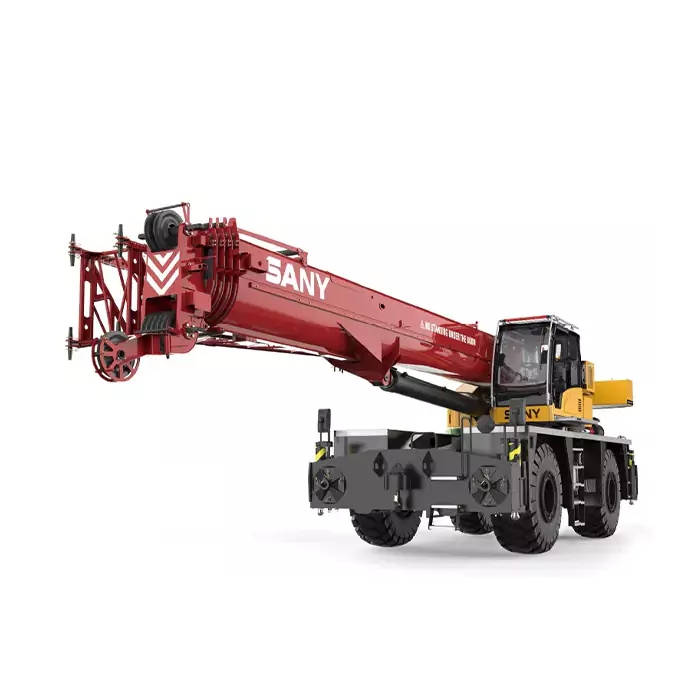
A supplier can only recommend the right crane if the job details are clear. Vague inquiries usually lead to slow back-and-forth and weak comparisons.
The most useful quote requests include:
- target lifting weights
- typical working radius
- required boom or jib height
- site surface condition
- indoor or outdoor use
- new or used preference
- destination country
- delivery timeline
- budget range
That level of detail helps narrow the selection faster and makes quotations easier to compare on real operating fit rather than on surface numbers.
Why supplier capability matters as much as machine choice
A crane purchase is rarely finished once the order is confirmed. Documentation, shipping coordination, spare parts, and after-sales communication all affect the actual value of the deal.
For international buyers, that makes supplier depth especially important. MachPlaza works as a construction machinery exporter with a broad equipment portfolio, crane category coverage, spare parts support, and experience serving overseas demand across complete machines and parts. Its product structure also gives buyers access to a wide rough terrain crane selection rather than a single narrow inventory slice, which is useful when project needs change from one capacity class to another. Alongside product supply, its industry content focuses on practical buying topics across machinery categories, which reflects a transaction environment built around equipment selection and export-oriented service rather than a one-page listing approach.
Conclusion
The right rough terrain crane is the one that fits the site, the lift plan, and the working rhythm of the project. Capacity still matters, but it should be weighed together with radius, boom reach, terrain, setup speed, operator control, and service support. On real jobsites, buyers usually feel the impact of those factors long before they think about the catalog headline.
A careful purchase process is not complicated. Start with the lifts that happen most often. Match them to site access and ground conditions. Review the load chart with actual working radius. Then compare support, delivery, and parts response with the same seriousness as price. That is how rough terrain crane buying becomes more predictable, and far more cost-effective over the life of the machine.
FAQs
What is the difference between a rough terrain crane and an all terrain crane?
A rough terrain crane fits site travel on bumpy soil and small areas best. An all terrain crane blends rough ground work with stronger road trips between spots. The right pick hinges on if the crane stays in the site or travels sites often.
How do buyers choose the right rough terrain crane capacity?
The top way to pick rough terrain crane lift limit starts with pull weight, work reach, lift level, and site plan. The max rating alone falls short. Shoppers should match the true load chart to common job pulls.
Is a used rough terrain crane worth buying?
A used rough terrain crane works well with a good fix record, firm build, sound fluids system, and parts aid. The point is not just price. It is if the crane gives sure run time on the planned job.
Where can buyers find a rough terrain crane supplier for export projects?
For ship-based jobs, shoppers seek a rough terrain crane seller with gear pick aid, ship plans, spare parts reach, and quick post-drop reply. A seller with full crane range and skill in global gear shipping eases the whole buy loop.
