
Self Loading Concrete Mixer Truck: Working Principle, Advantages & Uses

Industry News

2026/05/04
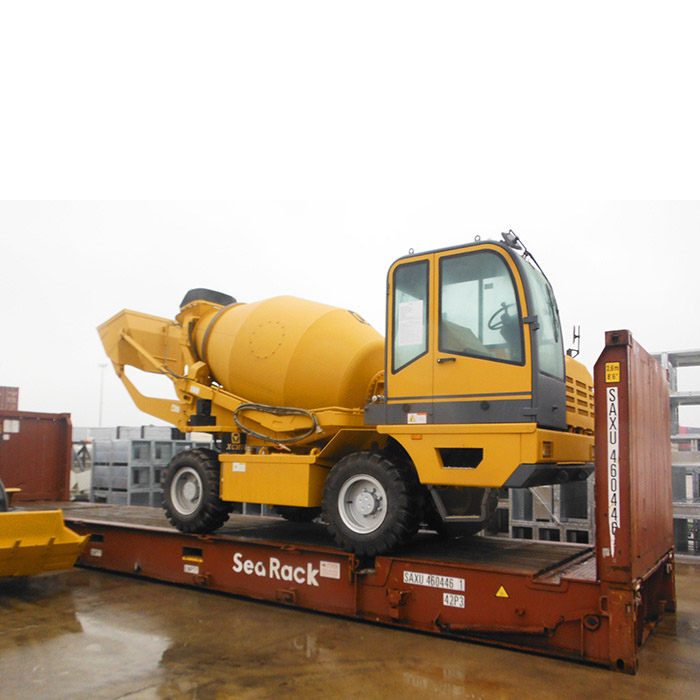
Ever watched a construction site and wonder how they get concrete to hard-to-reach spots? Traditional methods need a batching plant, a transit mixer, and extra loaders. That means many machines, high costs, and complex logistics. Now there’s a better way.
The self loading concrete mixer truck changes the game. This machine loads materials, mixes concrete, and pours it — all in one go. No extra equipment needed. Just drive in, load up, and get to work. Small contractors love it. Municipal crews use it. Even disaster response teams rely on it.
—
How It Works and Why It Matters
The Core Design
This truck packs three systems into one vehicle. The hydraulic arm grabs sand and gravel from piles. The mixing drum holds and rotates the materials. The water system adds exact amounts. The control panel sets the mix ratio.
The operator drives the truck to the material pile. The arm lowers a bucket, lifts the aggregate into the drum, and adds water automatically. The drum spins for a few minutes. Then the concrete is ready to pour directly at the job site.
Key Advantages
One machine replaces three. Loading, mixing, and transporting happen in a single trip. No separate loader. No batching plant nearby. This saves setup time and labor costs.
Daily output reaches 80 to 120 cubic meters. That covers most small to medium projects. Rural homes, driveways, sidewalks, and utility work — all fit well within this range.
Four-wheel drive handles rough terrain. Muddy sites, narrow paths, dirt roads — this truck moves through conditions that stop larger mixers. The small turning radius helps in tight spaces.
—
Where It Goes and What to Check
Common Applications
Rural construction uses these machines heavily. Villages often lack nearby batching plants. Builders need concrete on-site without long hauls. The truck drives in, mixes, and pours — done.
Municipal work keeps these trucks busy too. Road patching, pipe installation, sidewalk repairs — quick jobs that do not need a full plant. The truck arrives, works, and leaves fast.
Emergency and disaster response teams value this machine. After storms or earthquakes, roads might be blocked. The truck’s off-road capability lets it reach damaged areas that large equipment cannot.
Points Before Buying
Engine power affects performance. More horsepower handles bigger loads and steeper ground. Four-wheel drive costs more but works better in bad conditions.
Drum size matters for daily output. Smaller drums fit narrow sites but need more trips. Larger drums work faster but require space to maneuver.
Check the control system. Manual dials work but need attention. Digital panels set ratios faster but cost more to repair.
—
Why It Works and How to Get Started
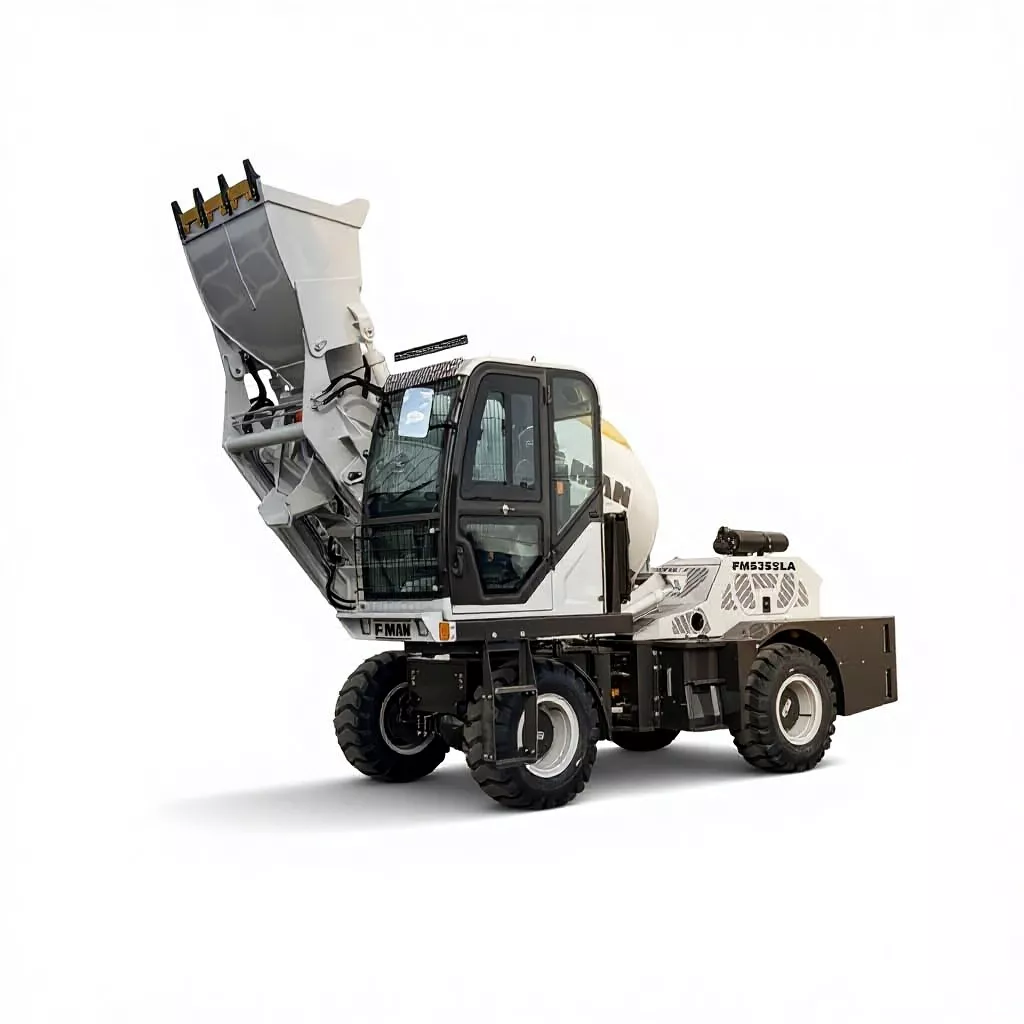 This truck works best for teams handling scattered projects. Rural contractors, municipal crews, repair specialists — they all benefit from the flexibility. The cost savings add up fast when you cut out extra machines and plant rentals.
Consider your typical job size first. Small projects under 50 cubic meters per day — a 2 to 4 cubic meter drum works well. Bigger jobs might need larger capacity.
Look for dealer support in your area. Parts matter. Service matters more.
—
Conclusion
The self loading concrete mixer truck brings real value to sites that lack fixed batching plants. It works well in rural areas, small towns, and tight urban spots. One machine does the job of three. That saves money and time.
If you need a reliable machine, check MachPlaza. They list many self loading mixer trucks from top Chinese manufacturers. You can compare specs, request quotes, and connect directly with suppliers. Visit machplaza.com to start.
—
FAQs
Q1: How long do these trucks last?
A: Most run 10 to 15 years with regular maintenance. Good care adds more years.
Q2: What capacity fits most small jobs?
A: 2 to 4 cubic meters works well for rural homes and municipal repairs.
Q3: How much does one cost?
A: Prices range from $20,000 to $50,000, depending on size and features.
Q4: Is special training needed?
A: Basic training takes a few days. Controls are simple to learn.
Q5: How often does it need maintenance?
A: Weekly checks on hydraulic lines and drum rotation. Monthly oil changes.
Q6: Can it use recycled aggregate?
A: Yes, with proper screening. Many models handle recycled materials well.
Q7: Which brand should I choose?
A: Pick one with strong local support. Parts availability and service matter most.
