
Cargo Trucks for Harsh Conditions: What Buyers Should Know?

Industry News

2026/04/29
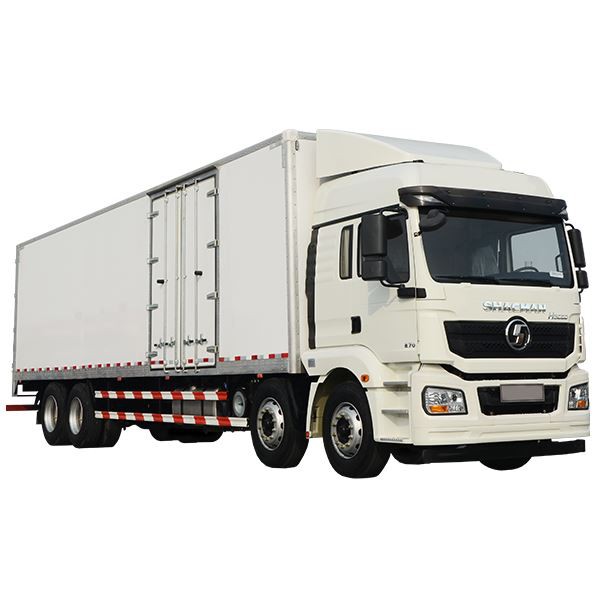
A cargo truck that works fine on a smooth highway might face trouble when weather turns bad, road surfaces get tough, and loads become heavy. Heavy rain makes braking harder and cuts visibility. Cold air plus fog can delay deliveries. Bumpy haul roads, potholes, and constant shaking put extra strain on suspension, tires, cargo ties, and the truck body. For fleet owners, builders, sellers, and transport managers, the best truck for tough spots is not just the one with the biggest load rating. It is the vehicle that keeps going safely and without issues when paths are slippery, sight is poor, and the workday covers varied ground. Advice from truck safety guides often says the same thing. Bad weather means drive slower, keep more space from other vehicles, plan routes well, and check the truck fully before leaving.
This explains why people search for cargo trucks that handle bad weather, rough paths, and hard transport tasks. Such searches show real business needs. Buyers do not just check sizes or drive systems. They try to pick a truck that fits mountain paths, rainy city drops, port entry roads, farm supply trips, building supply hauls, and local transport lines where stops cost cash. On MachPlaza, work vehicles include light cargo trucks, tractor trucks, dump trucks, semi trailers, and other gear for transport, building, and farm jobs. This makes picking trucks for extreme spots a common choice for many buyers, not a rare one.
Why do harsh environments expose weak points in cargo trucks?
A cargo truck faces its biggest tests when multiple tough factors hit at the same time. Weather, path quality, load steadiness, and driver tasks often mix in one journey.
What happens in heavy rain and standing water?
Rain does more than reduce grip. It lengthens stopping distance. Water spray from nearby vehicles blocks the view. In city delivery paths, water can cover holes, cracked pavement, and soft edges near load spots. On work site entry paths, wet use over and over can change a firm surface into deep grooves in just hours. Truck driver tips always suggest driving slower, keeping extra space behind, and checking routes carefully before starting out in bad weather.
Why are fog and low visibility so disruptive?
Fog brings two main issues. It slows the truck down. And it lengthens the entire delivery time. It also increases driver tiredness since focus on sights stays sharp for more time. Poor sight gets worse when delivery times are tight or the path has joining traffic, tight roads, or early loads. Articles for truck drivers often list speed control, light use rules, and time delay plans as top ways to handle fog and winter sight loss.
How do rough roads affect truck life?
One bump might not end a trip. But shaking builds up over time. Rough path travel hits tires, suspension pieces, steering parts, body holds, and load tie spots gradually. For load jobs, damage that adds up is key. The truck might keep running while unseen wear grows in spots that later lead to delays or bigger repair costs. U.S. road guides on vehicle traits note that speed, weight, power, and work settings impact safety results in actual use.
What really matters when choosing a cargo truck for extreme conditions?
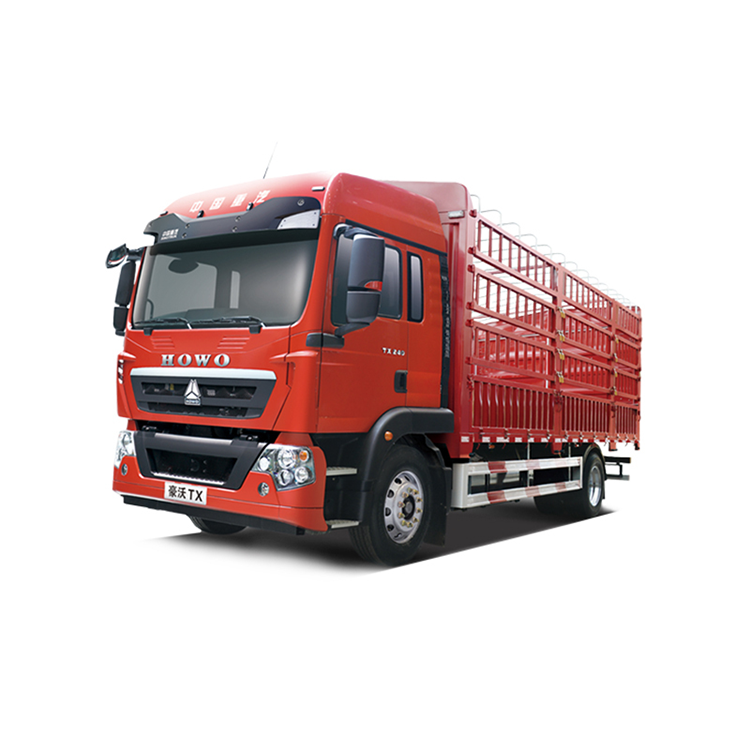
In hard service, a solid truck does not stand out by one main trait. Picking usually depends on how well it fits the path, load kind, path quality, and repair ability.
How important are payload and chassis balance?
Payload counts a lot. But balance is just as key. A truck carrying boxed items on smooth local roads meets different needs than one hauling bagged cement, tools, pallets, or varied supplies to half-built sites. Buying too much capacity can boost running costs. Buying too little can cut service time and limit schedule options. MachPlaza’s cargo truck info shows these vehicles as dependable for tough transport and varied project help. This matches what buyers need when moving goods across job sites and longer paths.
Why do drive layout and route type need to match?
Various paths require different truck setups. Highway transport jobs often favor fuel-saving, path-focused designs. Site supply tasks and mixed ground usually call for better grip, extra axle help, or stronger handling of uneven spots. Buyers looking at light cargo trucks versus bigger highway cargo trucks should check load times, path slopes, road state, and turn space before viewing sales pictures.
Which truck details matter in daily operation?
Minor features often determine if a truck feels good after half a year of work.
- cab entry that stays useful in rain and dirt
- clear views during early light, fog, and yard turns
- load area build that matches the real load style
- suspension and tire choice that fits ground type
- easy access for regular checks and fixes
- parts supply and help after purchase
| Selection factor | Why it matters in harsh use | Typical buyer concern |
| Payload fit | Reduces overloading and wear | Service life and compliance |
| Drive layout | Affects traction and route suitability | Mixed terrain or highway use |
| Visibility | Helps in fog, rain, yards, and loading zones | Safety and driver fatigue |
| Service access | Speeds routine maintenance | Downtime control |
| Supplier support | Helps with parts and after-sales | Long-term fleet reliability |
How should cargo trucks be matched to specific harsh-use scenarios?
The top cargo truck for tough spots depends on the task. Real transport jobs vary a great deal.
What works for wet urban and regional delivery?
In cities and nearby routes, common issues include frequent stops, tight entry points, wet surfaces, and repeated loads. Here, ease of movement, steady stopping, and handy cab design can count more than overall size. A light cargo truck often suits this better than a larger one. It spends less time dealing with narrow streets and crowded load areas. MachPlaza lists light cargo trucks as a key group in its work vehicle options. This helps buyers seeking small load transport, not long-distance heavy hauls.
What suits construction supply runs in rough weather?
Building paths seldom stay the same. One week the truck uses pavement. The next, it crosses gravel, muddy gates, temp ramps, and busy unload areas. In these tasks, load safety, body strength, and suspension toughness are vital. The truck must manage frequent starts, short runs, and shifting load types. Cargo truck tips on MachPlaza stress dependability for heavy moves and adaptability for project kinds like building jobs, mining aid, and supply shifts.
What should buyers look for in mountain or cold-region transport?
Mountain and winter paths bring steep drops, quick weather shifts, and ice risks in the morning. Sight can change many times in a single trip. In these areas, drivers focus on grip, steady braking, comfort, and reliable starts in cold. Truck weather safety guides for drivers stress that snow and ice need bigger stopping space and readiness to halt work when risks grow high.
What about agricultural and supply-chain use on mixed roads?
Farm transport often involves shifting feed, fertilizer, crops, tools, or bagged items over paths that go from highways to small lanes to dirt tracks. Here, toughness and flexibility matter more than looks in a showroom. A truck may carry average loads each day, not just big ones now and then. The work vehicle selection on MachPlaza suits transport, building, and farm needs. This shows how many buyers use cargo trucks in linked fields.
What maintenance habits help a cargo truck stay reliable in bad conditions?
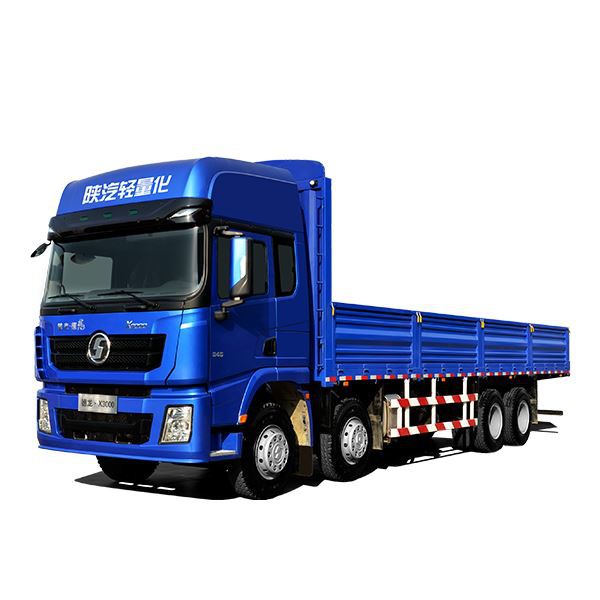
Picking the truck is just part of the choice. The rest is keeping it set for ongoing tough use.
Which checks matter before departure?
A simple pre-trip review for bad weather covers tires, lights, wipers, brakes, fluids, load tie spots, and sight gear. It seems basic. But it forms the main shield when paths are wet or misty. Safety pieces for drivers keep stressing pre-trip checks. Tough weather makes small issues bigger.
How does rough-road work change maintenance intervals?
Bumpy paths shorten repair times even if set schedules do not change. More shaking means more looks at suspension, ties, tires, wheel setup, and body links. Fleet leaders running site supplies or mixed paths often watch these spots closely. A small fault can soon turn into a big halt.
What should operators do after severe weather trips?
After a hard trip, the truck needs more than a spot to park. Clear mud and junk from wheels and under the body. Check load holding tools. Note any shift in steering sense, stopping feel, or body sounds right away. This counts extra after storm trips, flooded paths, or travel over damaged ground many times.
| Operating condition | High-priority inspection point | Why it matters |
| Heavy rain | Tires, brakes, lights, wipers | Safety and visibility |
| Fog | Lights, mirrors, windshield condition | Driver awareness |
| Rough roads | Suspension, wheel alignment, fasteners | Wear and handling |
| Cold routes | Starting system, fluids, traction equipment | Reliability and control |
Why does supplier capability matter as much as truck specs?
For lots of buyers, the truck is only one piece of the purchase. Quick supply replies, extra parts, transport planning, and post-sale help often decide if the buy pays off over time. MachPlaza acts as a top seller of Chinese building machines. It offers full machines, spare parts, good prices, on-time shipping, and tailored fixes with supplier and transport links. Its service style covers before sale, during sale, and after sale across the machine’s life. For cargo truck buyers, this is key. Transport vehicles do not work alone. They rely on parts supply, fast talks, and real job help.
What does MachPlaza offer as a cargo truck supplier?
MachPlaza helps buyers seeking work vehicles in a larger machine and gear setup. Its items cover light cargo trucks, tractor trucks, dump trucks, semi trailers, and other transport types, plus gear for building and factory projects. That wide list aids buyers who get vehicles and machines for the same work flow. Past products, the firm stresses tailored fixes, prompt shipping times, spare parts aid, and full service. For importers, project builders, fleet makers, and gear sellers, this mix makes MachPlaza useful not just as a cargo truck seller, but as a supply teammate for steady transport and site tasks.
Conclusion
A cargo truck for tough spots should be picked based on actual work stress, not just top load size. Wet paths check stopping and sight. Fog extends times and driver effort. Bumpy surfaces cause unseen wear that appears later in stops and fix costs. The smart buy way is clear. Match the truck to the path, the load, the ground type, and the repair backing. For buyers doing local drops, site supplies, farm moves, or mixed path transport, this changes a truck from a good to a trusted work tool.
FAQs
What is the best cargo truck for harsh conditions?
The best cargo truck for harsh conditions depends on the path, load, ground type, and load times. For rainy city drops, a light cargo truck may fit better. For bumpy project hauls, buyers often stress strength, grip match, and repair aid.
How should a cargo truck be prepared for rain and fog?
A cargo truck should get checks on tire state, brakes, lights, wipers, window clearness, and load safety before leaving. In rain and fog, drive at lower speed and keep more space behind. This follows standard tips in work driving guides.
Why is a light cargo truck useful for city and short-route delivery?
A light cargo truck often turns easier in tight streets, load areas, and traffic with stops. It suits city and nearby transport where entry, turn room, and frequent unloads count as much as load amount.
What should buyers ask a cargo truck supplier before ordering?
Buyers should inquire about heavy demand, cargo compartment size, frequency of use and operating environment, additional parts supply, maintenance assistance, and whether the truck is suitable for the actual route. The assistance of after-sales suppliers is often as important as that of trucks.
Can one cargo truck handle logistics, construction, and agricultural work?
Some cargo trucks can manage more than one task. But only if the details fit the job. Buyers with mixed duties should compare load needs, ground state, load style, and repair ability before picking one truck for several parts.
