
How Backhoe Loaders Improve Efficiency and Reduce Job Costs

Industry News

2026/05/01
 Construction projects often need more than one machine. An excavator digs. A loader moves material. A truck hauls it away. That means three machines, three operators, and high costs. But there is a better choice.
The backhoe loader does the work of multiple machines. It digs, loads, grades, and hauls. One operator handles most tasks. This saves money and speeds up the job. Many contractors now choose backhoe loaders for small to medium projects.
—
What a Backhoe Loader Does
Two Machines in One
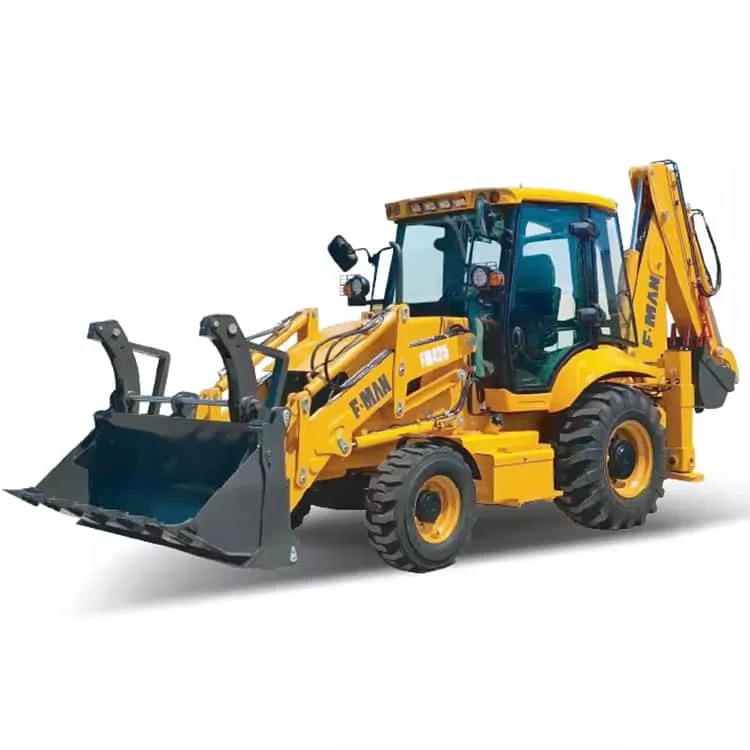
The backhoe sits at the rear. It digs trenches, holes, and foundations. The bucket sizes vary from 12 to 24 inches. Operators can change attachments quickly.
The front loader lifts and moves soil, sand, gravel, and debris. It loads trucks and piles material where needed. The bucket capacity ranges from 1 to 2 cubic meters.
The center pivot design gives excellent visibility. The operator sees both ends without twisting. This improves safety and accuracy.
Versatile Attachments
Backhoe loaders accept many tools. Hammers break concrete. Augers drill post holes. Grading buckets smooth surfaces. Thumb attachments grab rocks and pipes.
Changing attachments takes minutes. No crane or special equipment needed. This flexibility handles many job types.
—
Where They Save Money
Fewer Machines to Buy
One backhoe replaces a mini excavator and a small loader. The purchase price drops. So does insurance and registration cost.
Fuel use drops too. One engine runs instead of two. Diesel costs drop significantly over the year.
Lower Labor Costs
One operator does the work. You pay one wage instead of two or three. Training one person costs less than training a team.
Site setup time drops. No need to move multiple machines. No need to coordinate different operators.
Reduced Transport Costs
Moving one machine costs less than moving two. Permit fees drop. Haul trucks use less fuel.
Best Applications
Utility Work
Backhoe loaders excel at trenching. Water lines, sewer connections, and electrical conduits need precise digging. The backhoe digs clean trenches fast.
Pipe laying uses the front loader to place materials. One machine handles the entire job.
Landscaping
Site preparation needs digging and moving. Trees, irrigation, and retaining walls all need both functions. The backhoe loader handles them all.
Grading and leveling use the front bucket. The operator smooths the surface without a separate machine.
Farm and Rural Projects
Fencing needs post holes. The auger attachment drills fast. Tractor loader work moves hay, feed, and soil. One machine handles both jobs.
Small Construction
Home additions, garages, and pads need foundation work. The backhoe digs footings. The front loader moves backfill. No other machines needed.
—
Conclusion
Backhoe loaders bring real value to most job sites. They handle many tasks with one machine. Operators work faster and costs drop. The investment pays back quickly.
Need a backhoe loader or parts? Check MachPlaza. They offer models from leading manufacturers like XCMG, SANY, and Liugong. Browse machplaza.com to compare specs and pricing.
FAQs
Q1: How long do backhoe loaders last?
A: With proper care, 8,000 to 12,000 hours is typical. Regular maintenance adds years.
Q2: What size fits utility work?
A: 1 to 1.5 cubic meter loader capacity works well. The backhoe should reach 12 to 14 feet deep.
Q3: Can one person operate it?
A: Yes. Training takes a few days. Controls are simple to learn.
Q4: What attachments are most useful?
A: Hammers, augers, and grapples see the most use. Ask the dealer about your job needs.
Q5: How do they compare to mini excavators?
A: Backhoe loaders cost less and move faster. Mini excavators dig deeper and have more reach. Choose based on the job.
Q6: What about fuel use?
A: Diesel use depends on the job. Rough grading uses more fuel. Trenching uses less.
Q7: Which brand should I choose?
A: Look for dealer support near you. Parts and service matter most for long-term use.
