
Water Well Drilling for Agriculture: What Equipment Do Farmers Need?

Industry News

2026/04/24

Water well drilling holds a vital role in securing steady farm output. This is especially true in areas with limited or irregular rain. Reliable access to underground water via well-built wells lets farmers keep steady watering routines. Such routines boost crop yields and animal water needs directly. More than just quick water supply, smart drilling work aids lasting benefits. It cuts running expenses and limits harm to the surroundings. In today’s farming, new drilling tools have changed old ways into exact, power-saving setups. These setups fit both money goals and nature aims.
What Are the Key Components of a Water Well Drilling System?
Now, let’s look at the tools that make up the core of a good water well drilling job. Understanding these parts helps in planning and running projects well.
Drilling Rigs and Their Core Functions
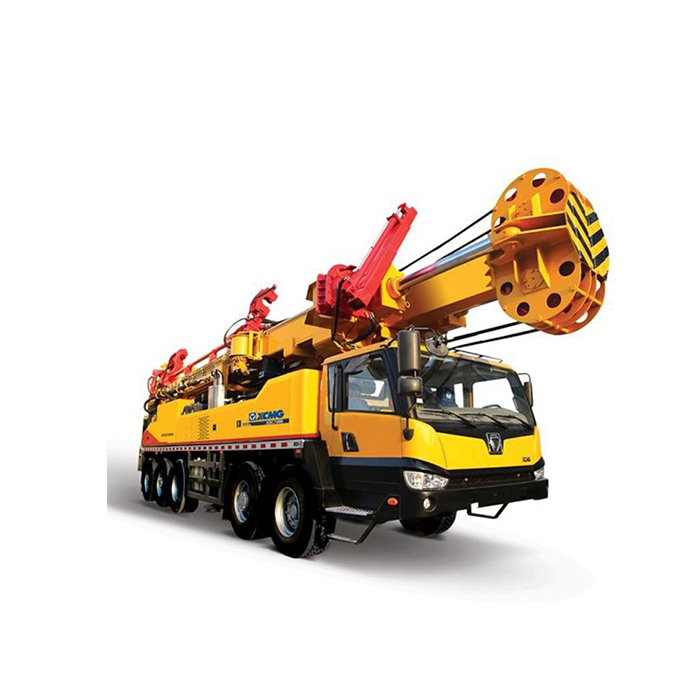
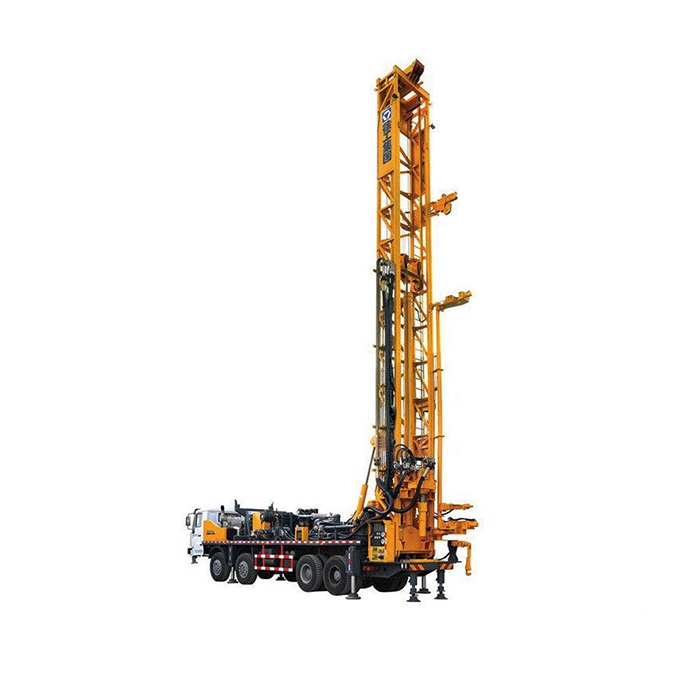
Drilling rigs form the main machines in water well drilling tasks. Rotary rigs get used a lot because they reach deep water layers quickly. Cable tool rigs and percussion rigs work better for shallow or tough ground types. Picking the right rig type relies mostly on ground makeup, needed depth, and local water ground features. Today’s rigs include auto features that boost accuracy. They also cut down on hand work and speed up the process. As a result, they become key items for big farm uses.
Essential Support Equipment for Drilling Operations
Other tools help keep the drilling smooth from start to finish. Mud pumps handle pushing drilling liquids through. These liquids steady the hole and clear out dirt bits from the path. Compressors supply the air force needed for air-based drilling ways. This method works well in dry or rocky spots. Hoisting setups help lift drill pipes and place protective tubes safely. All these parts work together. They raise output and hold to safety rules at the work area.
How Do Farmers Choose the Right Drilling Equipment?
Farmers pick the best tools by thinking about ground features, water needs, and work speed.
Factors Influencing Equipment Selection
Before starting a water well drilling job, farmers usually do ground checks. These checks find out the layers of soil and water layer depth. That info guides the right rig type and size for the best results. Plus, looking at water needs sets the well size and depth. This meets watering demands without taking too much from the ground. Tool strength matters a lot too. Machines that need less upkeep give better value over time. They lower fix costs and stop times.
Evaluating Power Sources and Energy Efficiency
Power choices affect tool picking in farm areas. Diesel rigs stay common for their easy move and no need for main power lines. They suit far-off farms well. Electric rigs run cleaner with fewer fumes when power lines are there. Hybrid setups mix both powers. They gain favor for their mix of power saving and work freedom in different field spots.
What Role Does Casing and Well Completion Equipment Play?
Once the hole hits the right depth, good finishing work keeps the well strong and useful for years.
Casing Materials and Installation Techniques
Casing acts as a shield inside the hole to stop cave-ins and dirt entry. Usual materials cover PVC for rust resistance, steel for power in high-pressure spots, and mix casings for strength and light weight. Right filling around the casing blocks ground dirt from reaching water sources. This key step keeps watering water safe for a long time.
Well Screens and Filters for Optimal Water Flow
Well screens go in at set depths. They let water in in a controlled way but block sand entry. Choosing the right screen gap size based on soil bits cuts clog chances. Stainless steel screens last longer in rough spots. PVC screens give cheap work in easier setups. These parts together ensure steady water flow. That flow supports farm tasks through all seasons.
How Is Maintenance Equipment Used to Extend Well Life?
When wells start working, they need steady checks and regular care to keep good output.
Monitoring Tools for Performance Assessment
Check tools like flow meters track water output over periods. A drop might show blockages or part wear. Water level tools let farmers set pump times right. This avoids too much pumping that could empty the water layer or ruin the pump.
Cleaning and Rehabilitation Tools for Long-Term Use
Dirt buildup can slowly block water paths in wells. So, air lift tools pull out junk without harming inside parts. If mineral crust or germ growth cuts flow, clean chemicals fix it. They break down blocks safely within set rules.
Why Is Safety Equipment Vital During Agricultural Well Drilling?
Safety tops the list in all water well drilling steps. This is due to big machines and possible nature risks.
Personal Protective Gear for Operators
Workers must use hard hats, hand covers, strong boots, bright clothes, and eye shields all the time at the site. These guard against drops, spinning machine hurts, or liquid spills from drilling mixes.
Site Safety Systems and Emergency Preparedness Tools
Site safety goes beyond personal items. Fire stop units cut risks from fuel spills or power issues in diesel setups. Quick stop switches halt work fast if machine breaks happen. This stops more harm or hurts in key moments.
How Can Farmers Optimize Costs in Water Well Drilling Projects?
Good cost handling keeps farms going strong over many planting times without cutting work quality.
Balancing Initial Investment with Operational Efficiency
Buying strong machines seems pricey at first. But it often saves money by cutting stop times and lasting longer. Starting care plans ahead cuts surprise fix bills. It also boosts trust overall. This helps a lot in busy watering times when steady water is key.
Leveraging Technology for Cost Control
New tech tools have changed how projects get managed in farm water well drilling. GPS lead systems raise exactness. They find best drill spots using land data. This cuts waste from wrong holes. Also, built-in data record tools let workers watch live stats like drill speed or turn force. So, they make quick changes that save fuel per drilled length.
Why Choose MachPlaza as a Reliable Construction Machinery Supplier?
Shifting from cost thoughts to buying choices shows why picking a solid supplier is so important for job wins.
MachPlaza’s Commitment to Quality and Reliability
MachPlaza gives a wide range of building machines. This includes special drilling rigs made for farm uses. It also covers compressors, pumps, hoisting add-ons, and more. They offer full help around the world via skilled tech groups, spare part delivery nets, and after-care plans. These focus on buyer joy. World-known rules promise steady work in many settings.
Advantages of Partnering with MachPlaza
Working with MachPlaza brings fair prices tied to checked making ways. It gives great money return over years. Their build know-how helps match tools right to land and soil changes. This ensures top output no matter weather issues. So, it builds long team trust among pro farm groups looking for lasting ground water fixes. Their known name stresses trust, drive for top work, and lead spots in the field today.
Conclusion
Picking the right water well drilling setups stays basic for steady ground water reach on farms of any size. Regular care, backed by new check tech, stretches work life. It guards resource lasting power. Teaming with trusted sellers like MachPlaza boosts full speed. It cuts full-life costs. Farmers gain power to use updated fixes. These match money strength and nature care at once. They push ahead-ready farm toughness worldwide.
FAQs
Q1: What determines the depth of an agricultural water well?
A1: Depth relies on local water ground features, water layer heights, soil makeup, and watering needs. These set how far down to go for enough supply all through planting times. This meets farm wants in a lasting way over years.
Q2: How often should a water well be inspected or maintained?
A2: Checks once a year are advised. They look at tube state, pump work, and flow steadiness. They spot early dirt or part wear signs. This lets quick fixes happen. It keeps build strength and work trust going on.
Q3: Can farmers retrofit existing wells with modern equipment?
A3: Yes, updating parts like pumps, tubes, and sensors is possible. It raises speed and stretches life. It skips full re-drill if the base stays firm and meets build rules.
