
Scissor Lift Height Guide for Indoor and Outdoor Jobs

Industry News

2026/05/28
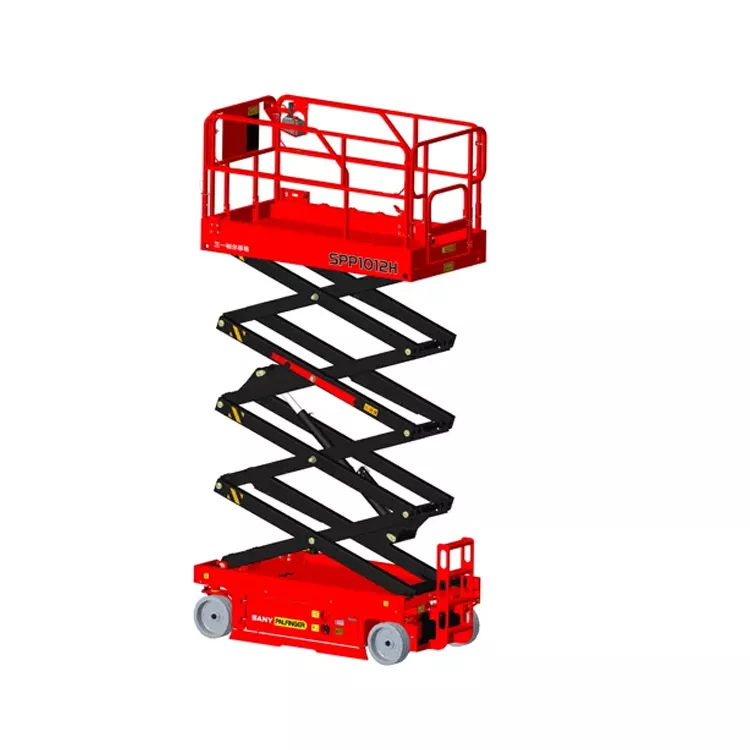
Picking the correct scissor lift height seems easy until the equipment shows up at the location. The lift might climb high on specs. Yet it could be too broad for a storage path, too weighty for a smooth floor, or too basic for two staff holding gear and supplies.
For inside and outside tasks, select scissor lift height along with deck height, job height, weight limit, surface state, deck area, and entry limits. A solid pick lets staff get to the task spot safely. It also keeps the work going without constant gear swaps.
What Is the Difference Between Platform Height and Working Height?
Before looking at various scissor lifts, shoppers must tell apart two key terms. Deck height and job height connect. But they do not stand for the same idea.
Scissor Lift Platform Height
Deck height means how far up the deck can go. It is the straight rise from the ground to the deck floor when the lift stands fully up.
This figure counts when staff must stand at a set level. Examples include next to storage shelves, over making tools, or by a roof pipe. However, deck height by itself does not show the worker’s full span.
Scissor Lift Working Height
Job height is the useful level a worker can touch while on the deck. In many site plans, job height comes from adding the user’s arm span to the deck height.
For instance, if a scissor lift holds a deck height around 8 meters, the true job span might go higher. This happens because the worker can lift arms and use tools above head level. That is why shoppers often look for scissor lift working height. They skip just deck height.
Why This Difference Matters Before Buying
A bad height pick can lead to pricey hold-ups. A lift a bit too short may miss lights, water pipes, roof sides, air pipes, or wall boards. A lift too tall may run higher in cost, tip the scales more, and prove harder to shift through close inside spots.
The smart way is basic. Measure the true work spot first. Then pick a scissor lift height that offers plenty of span. Avoid extra size or weight.
How High Should a Scissor Lift Be for Indoor Jobs?
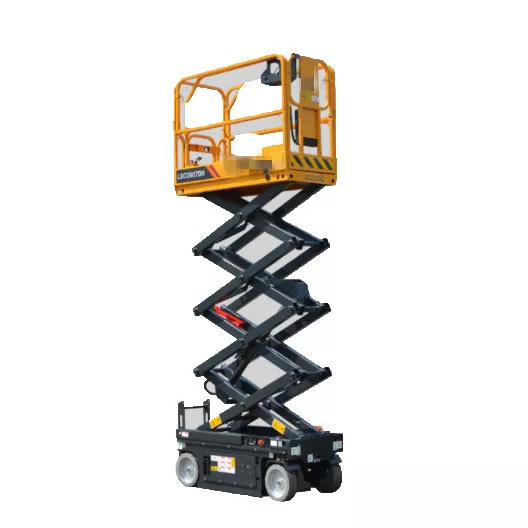
Inside tasks often take place on level floors. Spots include storage buildings, plants, malls, shops, airports, and business spots. Height plays a role. But small size usually counts as much.
5.6m to 8m Scissor Lifts for Low-Level Indoor Maintenance
A 5.6m to 8m scissor lift fits well for basic inside upkeep. Usual tasks cover swapping lights, looking at roof boards, fixing signs, working over shop shelves, and doing small site fixes.
This span works when the place has tight ground area. A small inside scissor lift can go through narrower paths. It parks near the task spot. And it cuts the need for steps or frames.
For tiny upkeep groups, this lift type proves simpler to handle. It backs daily fix jobs in markets, work places, inns, schools, and little plants. There, the task area shifts a lot.
10m to 12m Scissor Lifts for Warehouses and Factories
A 10m to 12m scissor lift stands as a usual pick for storage upkeep, making sites, shipping hubs, and tall-roof business areas. This span suits light setups, air lines, fire tubes, wire paths, top doors, and shelf checks.
In storage spots, the lift must do over just hit the shelf level. It also needs to shift between paths, spin near boxes, and hold steady as staff use gear. Pick a warehouse scissor lift with both height and breadth in view.
For plants, the task might cover upkeep over tools, movers, or build lines. In such cases, the shopper should see if the deck holds enough room for staff, gear boxes, and tiny swap parts.
Why Compact Dimensions Matter Indoors
A bigger lift does not always help inside. The gear must first get into the building. Then it must reach the task zone.
Shoppers should look at:
- Doorway clearance and folded height
- Overall width for narrow aisles
- Turning radius in tight corners
- Floor load limits
- Platform capacity for workers and tools
- Non-marking tires for finished indoor floors
If a lift skips a door or spins inside the path, its job height loses sense. For inside tasks, the top scissor lift often hits the needed height. At the same time, it stays small enough for the place.
How High Should a Scissor Lift Be for Outdoor Jobs?
Outside tasks pose fresh issues. The work spot might sit higher. The ground could prove bumpy. And the deck might carry more folks, supplies, and gear.
12m to 14m Scissor Lifts for General Outdoor Work
A 12m to 14m outside scissor lift can manage lots of normal outer tasks. These cover building side fixes, sign setup, low-build jobs, roof side work, light place, and outer paint.
This span aids builders who want a mix of span and ease. It offers more climb than a tiny inside unit. Yet it stays easy for many level outside spots.
Before picking this span, check the site face with care. Hard yards, paved spots, and packed ground may hold standard gear. Soft dirt or bumpy land may call for a rough terrain scissor lift.
16m to 18m Scissor Lifts for Construction and Large Sites
A 16m to 18m scissor lift fits better for bigger build plans, plant sites, outer wall setup, steel build work, air pipe setup, and blind wall jobs.
At this level, shoppers must watch weight limit and deck area close. Outside teams often use drills, clips, pipe bits, warm panels, glass, or paint gear. If two or more staff stand on the deck, weight turns key in picking.
A tall-span scissor lift might weigh more too. Check move, ground hold power, and site entry before buy.
When to Choose a Rough Terrain Scissor Lift?
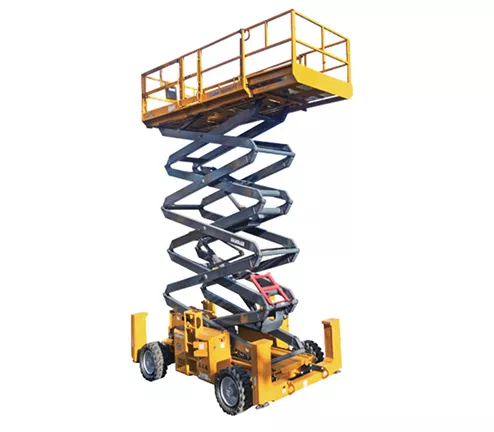
A rough terrain scissor lift suits best when the outside spot lacks level or finish. Build ground, rock yards, packed dirt, and plant outer areas may need firmer drive skill and steadier hold.
For these tasks, skip judging the lift just by level. Look at slope skill, wheel kind, ground gap, base steadiness, and deck weight. A rough terrain unit often gets picked for weightier outside jobs. There, some staff need a bigger floor and firmer lift work.
Scissor Lift Height Chart by Common Job Type
The table below offers a useful height guide. Still, base the last pick on real site size, staff span, deck weight, and entry states.
| Job Type | Suggested Working Height | Common Use | Key Buyer Check |
| Store and office maintenance | 5.6m–8m | Lights, signs, ceiling panels | Doorway clearance and floor protection |
| Warehouse maintenance | 8m–12m | Racks, pipes, HVAC, lighting | Narrow aisle access and turning radius |
| Factory inspection | 10m–14m | Production line and equipment repair | Load capacity and platform size |
| Indoor installation | 10m–16m | Cable trays, ducting, overhead work | Extension platform and floor load |
| Outdoor building maintenance | 12m–16m | Facades, roof edges, exterior walls | Ground condition and stability |
| Construction site work | 14m–18m+ | Steel, wall panels, MEP work | Rough terrain ability and platform load |
This chart aids in cutting the look. But it should not skip site looks. A 12m lift might fit one storage spot well. Yet it could fail in another if paths prove too slim or the floor skips the gear weight.
What Other Specifications Should You Check Besides Height?
Height draws main notice. But it forms just one bit of scissor lift pick. A gear that hits the work spot still must carry the team, fit the path, and run on the land face.
Load Capacity and Number of Workers
Scissor lift weight limit must match the true work weight. Add up the staff, gear, supplies, and any bits to lift.
A deck holding two fitters, gear boxes, and pipe parts needs more weight than one tech swapping lights. Bigger span does not always mean bigger weight limit. So shoppers should check the set weight before order.
Platform Size and Extension Platform
Deck area sways ease and output. A tiny floor may suit check or light fix. A broader deck aids with air paths, boards, paint, and multi-folk work.
An add-on deck can let staff reach over set blocks or work along a broader face without shifting the gear much. This helps in storage spots, outer wall work, and inside setup plans where the lift cannot sit right under the goal spot always.
Turning Radius and Narrow Space Access
For inside sites, spin span can set if the lift works. A small scissor lift with close spin skill moves easier through paths, near posts, and between kept goods.
This counts in storage buildings, shop areas, park builds, and make lines. If the site holds slim routes, the shopper should check gear breadth, stored height, and steer skill before height compare.
Power Type and Ground Conditions
Electric scissor lifts see wide use for inside tasks. They run quiet and fit smooth spaces. They match well with storage spots, work places, malls, and plants with level floors.
Outside tasks may need firmer travel skill. Where ground slopes, bumps, or lacks finish, a rough terrain scissor lift often proves safer and handier.
How to Match Scissor Lift Height with Safety Needs?
Img.Aerial Working Equipment.webp
Safety kicks off before lift use. It starts when the shopper picks the gear. A fitting height span cuts risky spans, bad spots, and repeat gear shifts.
Indoor Safety Checks
Inside plans should start with a site step. Size roof height, pipe level, light spot place, shelf height, door size, lift size, and floor power.
A scissor lift should give staff plenty span without making them climb bars, stretch far, or shift gear while up. The deck should stay in its set weight, even with added gear and parts.
Outdoor Safety Checks
Outside work calls for more site looks. Ground slope, wind face, soft dirt, drain tops, edges, and near traffic can all sway lift use.
For outer work, shoppers should check the set job height with ground state and deck weight. A tall deck on bad ground makes a poor pair. Steadiness and right setup count more than picking the tallest gear on hand.
Why Higher Is Not Always Better
A taller scissor lift might bring a bigger base, weightier scale, higher move cost, and more limits inside. It may also need more room for safe use.
The right scissor lift height is the one that hits the work spot with a real edge. It also fits the path, floor, weight, and site land.
MachPlaza as a Scissor Lift Supplier
MachPlaza offers a wide set of build tools and air work gear. It serves shoppers who must compare picks over height, weight limit, use, and site states. Its scissor lift set covers small inside lifts, mid-level storage lifts, and taller-span gear for outside and build work.
For shoppers, this set makes picking handier. A storage team might compare small electric scissor lifts for slim path work. A builder might seek taller job height and firmer deck weight for outer setup. A rent firm might need some height sets to aid varied users.
MachPlaza backs shoppers past the gear list too. Full gear send-out, extra parts aid, tech facts, and gear match services cut doubt for abroad shoppers in buy. For firms getting from China, this kind of site aids in comparing gear, set specs, and prepping for long-run work.
Conclusion
Picking the right scissor lift height skips buying the tallest gear. It matches the lift to the true task.
For inside work, shoppers should eye job height, small sizes, door gap, spin span, floor weight, and quiet run. For outside work, main points are job height, deck weight, land state, slope skill, and steadiness.
A 5.6m to 8m scissor lift may do for basic inside upkeep. A 10m to 12m unit can aid lots of storage spots and plants. For build sites and outer building tasks, 14m to 18m or more may fit better.
The top pick comes from sizing the work spot, checking the site path, and matching height with weight and land states.
FAQs
What height scissor lift do I need for indoor work?
For basic inside upkeep, a 5.6m to 8m job height may work. Storage spots and plants often need 8m to 12m or more. It depends on shelf height, roof height, lights, and top setups.
Is scissor lift working height the same as platform height?
No. Deck height is the level of the up deck floor. Job height is the useful level a worker can touch from the deck. Shoppers should compare both before picking a scissor lift.
What is the best scissor lift height for warehouse maintenance?
Lots of storage tasks sit between 8m and 12m job height. But tall-shelf storage may need more. Breadth, spin span, floor weight, and deck weight count as much as height.
Should I choose an electric or rough terrain scissor lift?
An electric scissor lift usually fits better for inside level floors, storage spots, and smooth spaces. A rough terrain scissor lift suits outside build sites, bumpy land, and weightier tasks.
Can a higher scissor lift carry more weight?
Not always. Span and weight limit stand as split specs. A shopper should check set weight, deck area, and add-on deck weight before order.
