
What Are The Main Uses of A Tow Truck?

Industry News

2026/06/09
A broken car on the highway is a problem for everyone. It blocks traffic, creates danger, and leaves the driver stranded. The tow truck is the machine that fixes this. It moves disabled vehicles off the road and gets them where they need to go. But towing is not just about hooking up a car and driving away. Different jobs need different trucks. This guide breaks down what a tow truck does, how it works, and how to pick the right one.
What Is A Tow Truck?
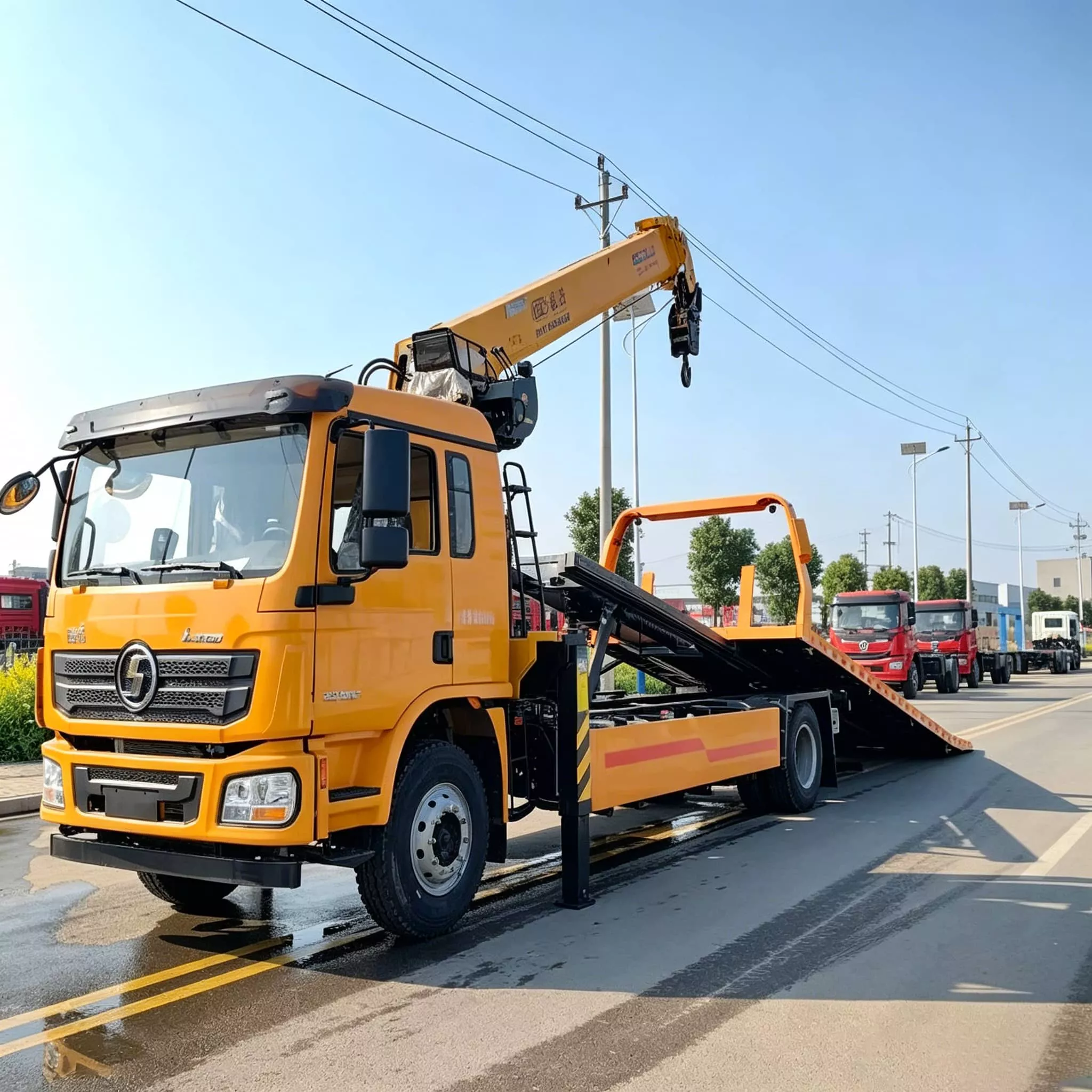
A tow truck is a vehicle built to move other vehicles. It carries a boom, wheel lift, or flatbed to load and secure disabled cars or trucks. Some models handle light cars. Others haul heavy buses or construction gear. The truck may be a standalone unit or a slide-back carrier mounted on a truck chassis.
The main parts are the chassis, the lifting system, and the bed or underlift. The chassis must be strong enough for the load. The lifting system does the work. The bed or underlift holds the vehicle in place during transport.
Key Jobs A Tow Truck Handles
1. Roadside Rescue And Breakdown Towing
This is the job most people picture. A car stalls, a tire blows, or an engine fails. The tow truck arrives, loads the vehicle, and takes it to a shop or safe spot. Speed matters here. The faster the truck clears the road, the safer everyone is.
Wheel lift trucks work well for this. They slide a metal yoke under the front or rear wheels and lift them off the ground. The other wheels stay on the road. This is fast and works for most cars and light trucks.
2. Accident Recovery
Crashes leave cars in ditches, against guardrails, or flipped on their side. Accident recovery needs more than a simple hook. Rotator tow trucks have a heavy boom that can lift vehicles from awkward angles. Some rotators handle 75 tons or more.
Recovery crews also clean debris and fluid spills. The truck may carry winches, chains, and rigging gear. In bad crashes, the tow operator works with police and fire crews to clear the scene.
3. Flatbed Transport
Some cars cannot roll on their own wheels. A flatbed tow truck tilts its bed to the ground. The disabled vehicle drives or winches onto the platform. Then the bed levels and the truck hauls the load. This method keeps all wheels off the road.
Flatbeds protect low-clearance cars, classic vehicles, and all-wheel-drive models. Driving a damaged car on its own wheels can cause more harm. Flatbeds avoid that risk.
4. Heavy Duty Towing
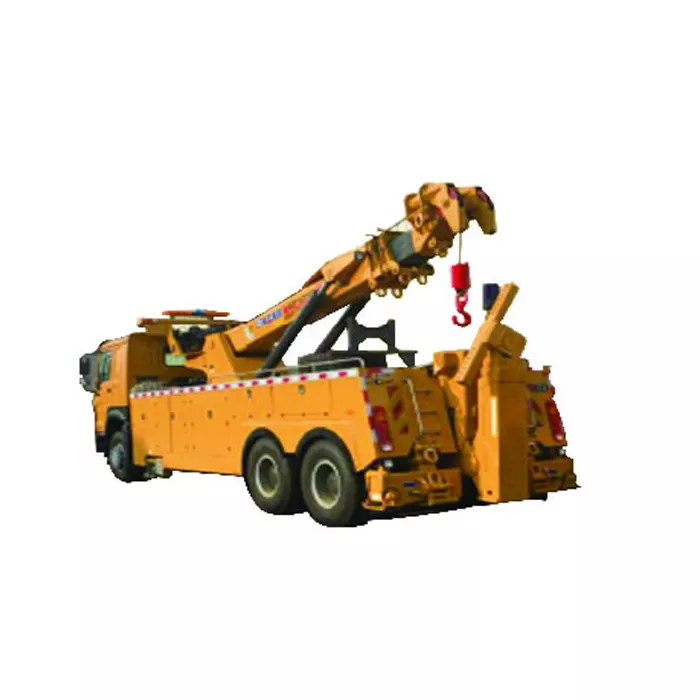
Not every tow job involves a sedan. Buses, RVs, box trucks, and construction equipment break down too. Heavy duty tow trucks use a boom and underlift to raise large vehicles from the rear. The front wheels stay on the ground, but the truck tows from the back.
These trucks need big engines and strong frames. A heavy wrecker may run on a 6×4 or 8×4 chassis with 400 horsepower or more. The boom must reach high enough to clear the towed vehicle’s cab.
5. Illegal Parking And Impound
Cities and private lots use tow trucks to remove cars that block traffic or violate parking rules. These trucks are often smaller and more maneuverable. They need to fit tight streets and crowded lots. Quick hook-up time is key because the operator may handle dozens of cars per shift.
6. Off-Road And Winch Recovery
Vehicles get stuck in mud, snow, sand, or ditches. A tow truck with a strong winch can pull them free. Some trucks carry snatch blocks and extension cables to double the pull force. Off-road recovery needs skill. The operator must judge anchor points, angles, and load limits to avoid snapping cables or flipping the stuck vehicle.
Types Of Tow Trucks And When To Use Them
Hook And Chain
This is the old style. A chain wraps around the axle or frame, and the boom lifts one end of the car. It works but can damage the bumper or body. Most operators now use this only for junk cars or wrecked vehicles headed to scrap.
Wheel Lift
A metal yoke goes under the drive wheels and lifts them. The other two wheels roll on the road. This is fast, safe for most cars, and easy to operate. Many roadside service trucks use this design.
Flatbed Or Rollback
The entire bed tilts and slides back. The car loads onto a flat platform. This is the safest method for long hauls or damaged vehicles. It costs more to run but reduces liability.
Integrated Or Repo Truck
These combine a wheel lift and boom in one unit. They are compact and quick. Repo companies and parking enforcement favor them because they hook up fast and fit small spaces.
Rotator Wrecker
A rotator has a boom that spins 360 degrees. It lifts heavy loads from any angle. These trucks handle overturned semis, crashed buses, and construction equipment. They are expensive and need trained operators.
What To Look For In A Tow Truck
Towing Capacity
Match the truck to your heaviest expected load. A light duty truck handles cars up to about 5 tons. Medium duty covers box trucks and small buses. Heavy duty starts around 15 tons and goes up from there. Overloading a truck strains the chassis and creates safety risk.
Chassis And Wheelbase
A longer wheelbase gives more stability when towing. A shorter wheelbase fits tight turns. For highway work, pick a longer chassis. For city impound work, go shorter. The chassis must also handle the weight of the tow body plus the load.
Boom And Winch Ratings
Check the boom capacity and winch line pull. These numbers tell you what the truck can lift and drag. A 25-ton boom sounds big, but the real working load may be less at full extension. Ask for the rating chart.
Bed Length And Width
For flatbeds, measure the bed. A standard car needs about 19 feet. A long-bed truck needs more. Some flatbeds extend for extra length. Check the deck rating too. It must hold the load without flexing.
Tool Storage
Roadside work needs chains, straps, jacks, and traffic cones. Good trucks have locked compartments for this gear. Organized storage saves time on every call.
Meet MachPlaza — Your Tow Truck Source
MachPlaza lists new trucks from XCMG, Zoomlion, Shacman, Howo, and other top brands. We carry light duty wheel lifts, medium duty wreckers, and heavy duty rotators. Every unit ships with clear specs and photos.
Our team knows the towing business. We can match you to the right capacity, chassis, and body type. Need a flatbed for classic car transport? We have it. Want a heavy rotator for highway recovery? We can source that too.
MachPlaza ships worldwide. We handle export docs, container loading, and inland transport. You handle the roadside calls. We handle the logistics.
One More Thing
A tow truck is more than a truck with a hook. It is a rescue tool, a safety device, and a business asset. Pick the right type, keep the winch and cables in good shape, and train your operators well. The road is safer when the tow truck shows up ready to work.
FAQs
How much weight can a light duty tow truck handle?
Most light duty trucks tow up to 5 tons. That covers cars, SUVs, and light pickups.
What is the difference between a wheel lift and a flatbed?
A wheel lift raises two wheels off the ground. A flatbed loads the whole vehicle onto a platform. Flatbeds are safer for damaged or low cars.
Do I need a special license to drive a tow truck?
It depends on the weight. Many places need a commercial license for trucks over a certain gross weight. Check local rules.
How long does a tow truck last?
With good care, 10 to 15 years. Heavy use in salt or rough roads shortens life. Regular greasing and rust prevention help.
What is a rotator tow truck?
A rotator has a boom that spins 360 degrees. It lifts heavy loads from any angle. These trucks handle big wrecks and overturned trucks.
Can a tow truck pull a car out of a ditch?
Yes, if it has a winch and the right rigging. The operator must judge the angle and anchor points. Some jobs need a rotator for safe recovery.
What brands make good tow trucks?
Freightliner, Peterbilt, and International build popular chassis in North America. XCMG, Shacman, and Howo offer strong value and global parts support. MachPlaza stocks most of these brands.
