
Motor Grader Buying Inspection Checklist

Industry News

2026/05/26
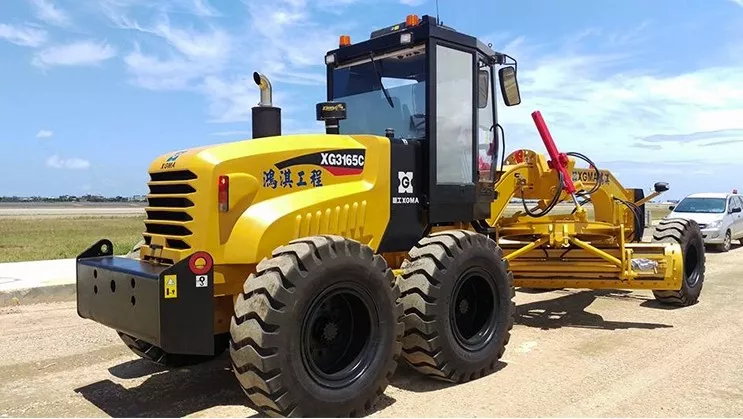
A motor grader might appear spotless in pictures. Yet it could still conceal expensive issues in the blade setup, articulation joint, hydraulics, drivetrain, or frame. For road builders, rental groups, mining teams, farm road keepers, and city upkeep buyers, a thorough check before buying is no simple task. It separates a useful tool from a fix-up headache.
This straightforward guide shows how to examine a motor grader prior to purchase. It includes simple steps for the engine, moldboard, circle, hydraulic system, tires, brakes, cab, records, and test run.
Why Does a Pre-Purchase Motor Grader Inspection Matter?
A motor grader faces tough conditions. It slices gravel, forms road tops, removes edges, cuts slopes, digs ditches, lays out material, and keeps long paths clear. Such tasks put great strain on the blade, circle, frame, axles, and hydraulic system.
Before picking a road grader, buyers need to see past its power rating and cost. A cheaper unit might soon require fresh tires, hydraulic fixes, cutting edges, pins, bushings, or transmission repairs. Those expenses can wipe out any initial savings.
A Good Inspection Protects the Total Budget
A motor grader inspection checklist ought to address three key points.
- Can the machine handle the needed grading tasks?
- Are the primary wear items still usable?
- Will fix-up costs stay affordable after it arrives?
For instance, a builder caring for 30 kilometers of gravel paths requires steady blade handling, quick steering action, smooth hydraulic work, and dependable brakes. A buyer using the grader for farm tracks might tolerate minor wear. However, it cannot have a twisted moldboard or faulty transmission. The proper check fits the task, not just the machine’s age.
What Should Be Checked First?
The initial walk-around usually uncovers plenty. Examine the motor grader in good light, on flat ground, before sellers clean it too much or run it to warm up.
View the whole machine before diving into each part. A hasty buyer might zero in on the engine. As a result, they could overlook split welds, lopsided tire wear, slack articulation, or oil stains below the tandem case.
Confirm Basic Machine Information
Begin with the nameplate, serial number, year, hour meter, engine details, and service past. Match the hour count to the actual state of the pedals, seat, control levers, tires, moldboard, cutting edge, and cab floor.
A grader displaying few hours but major wear near the blade, steering links, and articulation joint calls for extra questions. It likely served in a rough quarry path, mine haul route, or stony build site.
Match the Grader to the Job
A unit used for easy rural road care does not demand the same strength and mass as one on highway bases or mining routes. Buyers should weigh power rating, blade width, working weight, turn radius, pulling force, and add-on choices.
| Job Type | Key Inspection Focus | Why It Matters |
| Gravel road maintenance | Moldboard, cutting edge, tires, steering | Controls road crown and drainage quality |
| Highway construction | Blade control, hydraulics, frame alignment | Affects fine grading accuracy |
| Mining haul road work | Power, cooling, tires, tandem drive | Handles long shifts and heavy ground |
| Farm and estate roads | Engine, brakes, basic hydraulics | Keeps ownership cost practical |
| Snow or mud clearing | Traction, blade angle, lights, cab | Supports safe work in poor visibility |
How to Inspect the Engine and Cooling System?
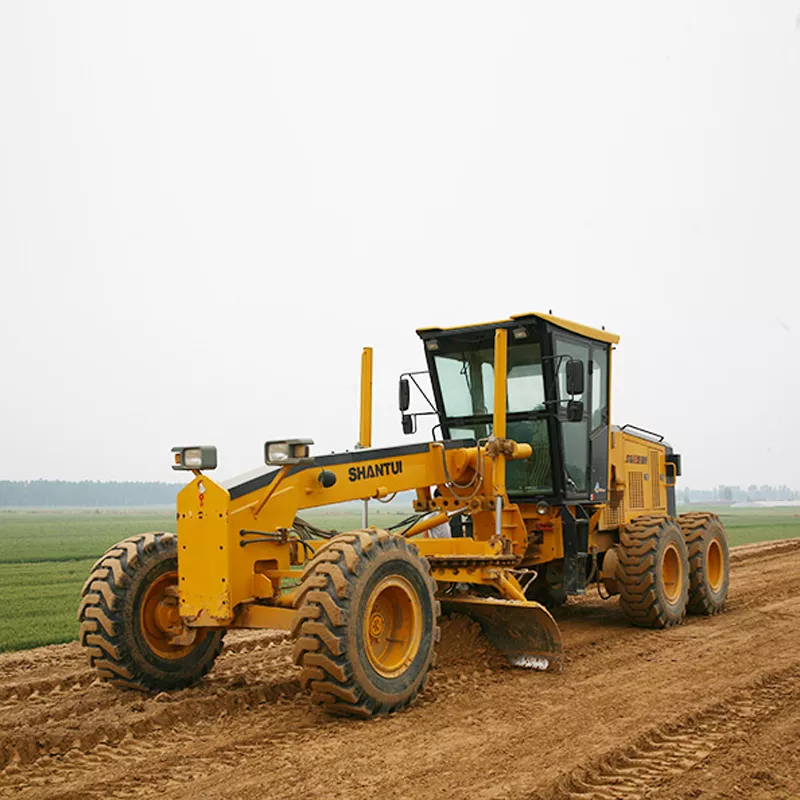
The engine review should start before the machine fires up. A cold start reveals more than a warmed-up engine prepped for the viewing.
Examine the area under the engine, side panels, radiator zone, and oil state. Thick oil buildup is not always a stop sign. But fresh damp leaks require a closer look.
Check Oil, Smoke, Noise, and Starting
Pull the engine oil dipstick. Dark oil appears often in diesel gear. However, milky oil might signal coolant mixing. Metal bits serve as a red alert. Fire up the engine from cold. Then listen for knocks, bumpy idle, faint cranking, or heavy smoke.
Exhaust smoke counts too. Black smoke during work might indicate fuel or air intake faults. White smoke once warm could mean injector, compression, or coolant troubles. Blue smoke often points to oil burning.
Inspect Cooling Parts
A motor grader typically runs slow under pressure. Thus, the cooling setup must stay solid. Check the radiator core for blockages, bent fins, grime, and coolant drip signs. Examine fan belts, hoses, clamps, coolant tank, and water pump spot.
If the engine heat climbs fast in a brief test, the unit might falter on extended hot-day runs or uphill cuts.
How to Inspect the Moldboard and Cutting Edge?
The moldboard forms the main work surface of the motor grader. Treat it with the same focus as the engine. A powerful engine cannot fix a worn-out blade setup.
The moldboard, cutting edge, end bits, bolts, and blade rails show the machine’s past use. Tough stuff, bumpy paths, and weak upkeep leave obvious traces.
Look for Bending, Cracks, and Poor Repairs
Stand ahead of the blade. Then gaze along its full span. It should not twist, bend, crack, or show heavy welds. Uneven fixes might harm grading precision.
Focus extra on the blade’s middle. This spot wears quicker. It bears the bulk of the cut load in road forming and material laying.
Measure Cutting Edge Wear
The cutting edge wears out as normal. But do not skip it. If it thins too much, the moldboard could suffer damage. Check bolt holes, lost bolts, dull edges, and lopsided wear.
A fresh cutting edge costs far less than mending a hurt moldboard. If a swap looms soon, factor that into price talks.
How to Inspect the Circle, Drawbar, and Blade Controls?
The circle and drawbar setup manages blade angle and spin. For precise grading, this zone proves vital. Too much looseness can hinder keeping a straight road top, ditch edge, or slope.
Check Circle Wear and Rotation
Review circle teeth, wear plates, guide shoes, bolts, and lube spots. Spot absent teeth, spotty grease, cracked guards, or metal scraps. Turn the blade across its span. Listen for grinding, skips, or sticks.
A slack circle might spoil grading sharpness. It could also speed up wear in close parts.
Test Blade Lift, Tilt, Side Shift, and Angle
Run each blade feature a few times. Lift cylinders ought to shift evenly. Blade tilt needs to act without shakes. Side shift and angle moves should flow smooth, not lag or jolt.
If the blade sinks slow when raised, internal cylinder drips or valve wear might exist. Such a fault can cost much and annoy in routine jobs.
How to Inspect the Hydraulic System?
The hydraulic system drives the blade, steering, scarifier, ripper, and other tasks. Tiny leaks can turn into big stops. This happens often on units running long in dusty spots.
Begin by scanning the ground. New oil marks below the machine often guide where to look next.
Look at Hoses, Cylinders, Pumps, and Fittings
Check hydraulic hoses for splits, rubs, bulges, and bare wires. Examine fittings and joins for oily dampness. View cylinder rods for scores, pits, and seal drips.
Blade lift cylinders, steering cylinders, articulation cylinders, and add-on cylinders all need a look. A glossy oil coat on a rod signals deeper checks.
Test Hydraulics Under Load
Avoid rating hydraulics from light moves alone. Push the blade to the ground. Watch the system’s reply. Feeble action, whine sounds, slow replies, heat rise, or shakes might show pump wear, pressure drops, or valve faults.
How to Inspect the Frame, Articulation Joint, and Steering?
A motor grader relies on true lineup. If front and back parts do not align, it may handle poorly, chew tires unevenly, and fail to keep grading lines.
The articulation joint, front axle, leaning wheel setup, and steering links often display the unit’s true load history.
Check Alignment and Frame Cracks
Stand behind and ahead of the grader. Front and rear frame should match straight. Look for splits, patch fixes, new paint, bumpy welds, and curved frame bits.
New paint does not always spell trouble. But paint near welds, joins, and frame bends needs careful review.
Inspect Pins, Bushings, and Linkage
Work the articulation and steering. Watch for extra slack. Check pins and bushings at the articulation joint, front axle, steering cylinders, and leaning wheel areas.
Loose spots can toughen control. On extended road care, this leads to slower runs, bumpy faces, and tired operators.
How to Inspect the Transmission, Tandem Drive, and Axles?
The drivetrain hauls big loads at low speeds. Issues here might hide in quick idle tests. So drive the machine ahead and back in various gears.
A even drivetrain offers steady speed, solid push, and sharper grading hold.
Test Gear Shifting
Drive slow to start. Check forward and reverse gears, shift waits, jolts, slips, and odd sounds. A scorched smell in transmission oil warns of trouble.
If the grader pauses before go or bangs on shifts, deeper checks follow.
Check Tandem Housing and Axle Seals
Scan tandem housings, axle seals, drive shafts, and wheel ends. Oil drips near axles might cause later bearing or gear woes. Also note odd noise on turns or rough ground.
How to Inspect Tires, Brakes, and Safety Systems?
Tires cost a lot. Wear patterns on them often reveal bigger tales. A full set of beat-up grader tires adds big bucks post-buy.
Brakes and steering stay must-haves. A grader works on hills, path sides, and busy sites. So safety features must work right.
Check Tire Wear and Damage
Review all tires for tread depth, side cuts, cracks, patches, and uneven loss. Compare tires on both sides. Lopsided wear might signal lineup, axle, steering, or articulation problems.
Test Brakes and Steering
Trial service brakes and parking brake at low speed. The brake pedal should feel firm, not soft or deep-sinking. Steering needs to reply smooth without stiff points, waits, or strong shakes.
Check lights, horn, mirrors, reverse alarm, seat belt, wipers, and cab view too.
What Documents Should Be Reviewed Before Buying?
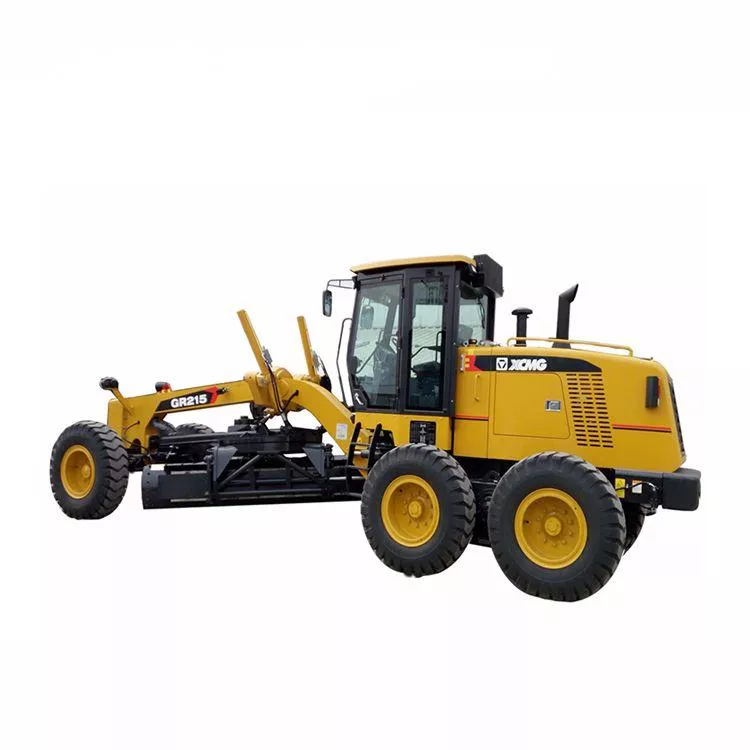
A tidy machine with weak papers remains a gamble. Records help verify the unit’s background. They also clarify coming upkeep needs.
Request papers before price closes. Absent files do not always mean a bad unit. But they cut trust levels.
Key Records to Ask For
- Service and maintenance history
- Engine, hydraulic, and transmission repair records
- Tire replacement history
- Attachment list
- Operating hours record
- Export and ownership documents
- Photos or videos from recent work
- Spare parts availability information
For buyers from other countries, review transport sizes, weight, load ways, and ship aid early on.
Red Flags That Should Not Be Ignored
Some faults fix at fair prices. Others can flip a solid deal into endless bills. Buyers must split normal use from deep structure or system woes.
Use the list below in the last review.
| Red Flag | Possible Risk |
| Bent moldboard or damaged circle | Poor grading accuracy and high repair cost |
| Heavy hydraulic leaks | Cylinder, pump, hose, or valve repairs |
| Cracked frame or rough weld repairs | Structural weakness |
| Severe articulation play | Poor steering and alignment |
| Hard shifting or slipping | Transmission wear |
| Uneven tire wear | Axle, steering, or frame issues |
| Overheating during test | Cooling system or engine problems |
| Missing records | Harder to judge true condition |
Why Choose MachPlaza as a Motor Grader Supplier?
Once the inspection list feels clear, the next move is picking a seller that aids in fitting the machine to the task. Motor grader shoppers often seek beyond a mere catalog. They want plain specs, real comparisons, export help, parts reach, and quick talks.
MachPlaza centers on Chinese build tools. It offers a wide array of full units and parts. Its motor grader picks span power tiers and task fits. This lets shoppers weigh options for road builds, land flats, ditch digs, slope cuts, snow clears, and city care.
Practical Support for Different Buyers
A road builder might seek a bulkier grader with better grip and broader blade. A farm path shopper could like a basic unit with lower run costs. A rental firm might focus on parts flow, driver ease, and sell-back worth.
MachPlaza aids shoppers in weighing gear by power rating, blade size, unit weight, engine facts, work speed, turn radius, and task fits. This helps those eyeing a motor grader for sale. They can narrow picks before queries.
Conclusion
Checking a motor grader before buy goes beyond spotting flaws. It means grasping what the unit can achieve, what fixes lie ahead, and if it suits the coming work. A full check covers the engine, cooling system, moldboard, cutting edge, circle, hydraulics, articulation joint, frame, transmission, tandem drive, tires, brakes, cab, safety systems, and service records.
A solid motor grader should start easy, steer steady, grip blade spots, shift clean, brake safe, and display wear that fits its past. When these steps wrap up right, buyers bargain sure and pick a unit that adds true worth to road jobs, builds, mining aid, or land care.
FAQs About Motor Grader Inspection
What is the most important part to inspect on a motor grader?
The blade control system ranks high. Review the moldboard, cutting edge, circle, drawbar, lift cylinders, and side shift moves. These bits shape grading sharpness and daily output.
How do I inspect a used motor grader before buying?
Kick off with a full walk. Then check engine, hydraulics, moldboard, circle, articulation joint, drivetrain, tires, brakes, cab, and papers. Add a test drive and true blade trials before the deal seals.
Is a hydraulic leak a serious problem on a motor grader?
It varies by leak size. A minor hose drip might fix easy. But oil near pumps, valves, cylinders, or many joins could mean steep costs. Always trial hydraulic action under pressure.
What should I ask a motor grader supplier before purchase?
Inquire on power rating, blade size, working weight, tire state, service past, add-on picks, parts aid, ship time, export papers, and if photos or work clips come before send-off.
