
How to Choose The Right Truck Mounted Crane For Construction Work?

Industry News

2026/05/27
A truck mounted crane saves time on job sites. It lifts, moves, and loads without a separate transport truck. But pick the wrong one and you waste money on fuel, repairs, and downtime. Construction crews need the right mix of power, reach, and truck base.
This guide walks you through what matters when you buy a construction lifting crane. We cover types, specs, and key choices like telescopic crane vs folding crane. By the end, you will know what fits your work.
Telescopic Crane vs Folding Crane
These two designs suit different jobs.
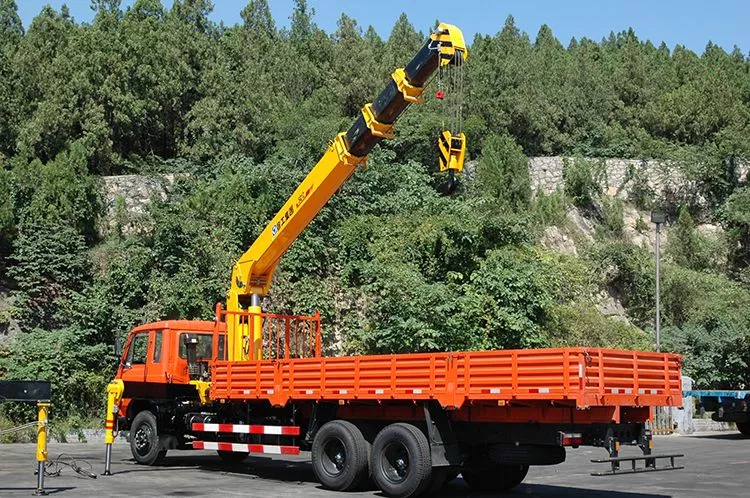
Telescopic crane arms extend in sections like a radio antenna. They reach high and far with simple controls. Most run with hydraulic cylinders that push each section out. They work great for vertical lifts, tower work, and open sites where height matters.
Folding crane arms bend at joints and fold close to the truck. They take less space when stored. They fit tight streets, indoor yards, and jobs with low overhead clearance. The trade-off is less reach compared to telescopic types.
Think about your typical job site. Wide open areas with tall lifts need telescopic arms. Narrow alleys and low roofs need folding arms. Some crews run both types for different jobs.
Lifting Capacity and Reach
Capacity ratings can mislead. A crane rated for 10 tons might only lift that much at the shortest boom setting. At full extension, the same crane might drop to 2 tons. Always check the load chart.
Construction lifting crane units range from 3 tons to over 50 tons. Small 3 to 5 ton units fit utility work and light maintenance. Mid-range 8 to 16 ton units handle most building sites. Heavy 20+ ton units work on bridges and industrial projects.
Reach matters too. A 20-meter boom covers most residential jobs. A 30-meter boom handles taller buildings. Some telescopic crane models reach 40 meters or more. Match the boom to your tallest lift, not your average one.
Truck Base and Axle Load
The crane sits on a truck chassis. The truck carries the weight and drives to job sites.
Check the gross vehicle weight rating. A heavy crane on a light truck overloads the axles. Most countries limit axle loads to 10 to 13 tons. Overload fines cost more than buying the right truck.
Wheel layout matters. A 4×2 truck fits city streets and tight turns. A 6×4 or 8×4 handles rough ground and heavy loads. Some job sites need all-wheel drive. Ask about terrain before you pick the base.
Outriggers spread the load when lifting. Most truck mounted crane units have H-frame or A-frame outriggers. Wider spreads mean more stability. Check the ground where you work. Soft dirt needs bigger pads or mats under the outriggers.
Hydraulic System and Controls
Hydraulics run the crane. Pumps, valves, and cylinders move the load. A weak system slows work and risks failure.
Look for dual-pump systems. One pump runs the crane while the other runs the outriggers. This saves time during setup. Variable displacement pumps adjust flow to save fuel when demand drops.
Controls come in manual, remote, and cab-mounted types. Remote controls let the operator stand back and see the load. This cuts accidents and speeds work. Cab controls work fine for routine lifts but limit visibility.
Check the hydraulic oil cooler. Hot oil breaks down fast. A good cooler keeps temperatures under 80 degrees Celsius. This doubles seal life and cuts leaks.
Crane Parts and Service
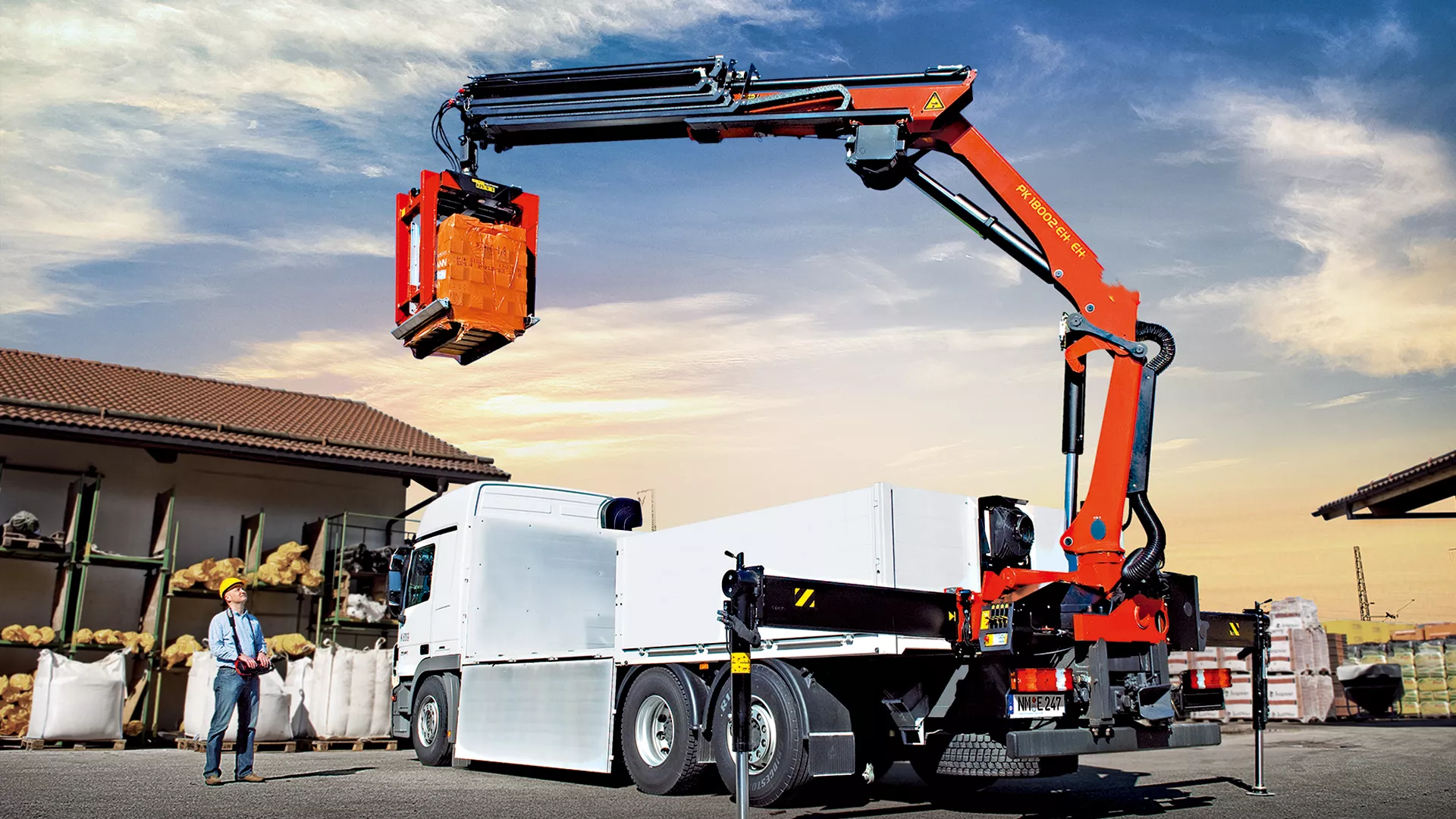
Crane parts wear out. Pins, bushings, seals, and hoses need regular swaps. When a part breaks, you need it fast.
Big brands stock parts in most countries. XCMG, SANY, and Zoomlion run global networks. They keep filters, seals, and common wear items on shelves. Smaller brands might ship parts from overseas. That takes weeks.
Ask your dealer about local stock. Can they get a hydraulic cylinder in 48 hours? Do they have a service van? A cheap crane with no support costs more than a supported one over five years.
Safety Features
Cranes lift heavy loads over people and property. Safety matters more than speed.
Load moment limiters cut power if the operator exceeds safe capacity. Anti-two-block systems stop the hook before it hits the boom tip. These two features prevent most crane accidents.
Level indicators show if the truck sits on flat ground. Some units auto-adjust outriggers to level the base. Wind speed sensors warn when gusts exceed safe limits.
Check the certification. Most countries need CE, ANSI, or ASME marks. Local inspectors check these before allowing work. A non-certified crane sits idle until fixed.
Price and Total Cost
New truck mounted crane units run $30,000 to $200,000. Small 3-ton units sit at the low end. Heavy 30-ton units with long booms hit the top.
Used units save 30% to 50%. But check the boom hours, hydraulic leaks, and truck engine condition. A worn boom pin costs $500 to replace. A blown hydraulic pump costs $3,000. Add these to the price before you buy.
Leasing works for seasonal work. Monthly rates run $2,000 to $8,000 depending on size. Some deals include maintenance. This cuts surprise repair bills.
Fuel costs add up. A big crane on a heavy truck burns 25 to 35 liters per 100 kilometers. Light units burn 15 to 20 liters. Over five years, fuel can exceed the purchase price.
One More Thing
The best construction lifting crane is the one that matches your daily work. A 30-ton monster looks impressive. But if you mostly lift pallets and small steel, a 5-ton folding crane saves fuel and fits tighter spots. Match the machine to the job, not your ego.
For a wide range of new and used cranes, check MachPlaza. They list telescopic crane and folding crane models with full specs and dealer contacts.
FAQs
Telescopic or folding crane for city work?
Folding crane. It packs tight and fits low roofs. Telescopic units need more space.
How long does a truck mounted crane last?
Most run 10,000 to 15,000 hours with good care. Daily greasing and filter changes matter most.
What truck base do I need for a 10-ton crane?
A 6×4 medium truck with 15-ton gross weight. Check local axle limits before you buy.
How often do crane parts need replacement?
Pins and bushings last 2,000 to 3,000 hours. Hydraulic seals need checks every 500 hours. Hoses last 5 years or 5,000 hours.
Can I use a folding crane for high lifts?
Yes, but reach is shorter. Most folding units max out at 20 meters. Telescopic units reach 30+ meters.
Remote control or cab control?
Remote for most work. The operator sees the load and stays clear. Cab control works for long routine lifts.
What safety certs do I need?
CE for Europe, ANSI for the US, ASME for pressure parts. Local rules vary. Check before you import.
How do I check hydraulic health?
Look for leaks, slow movement, and hot oil. Dark or burnt-smelling oil means trouble. Change oil every 1,000 hours.
