
How To Choose The Right Road Roller For Earthwork Compaction?

Industry News

2026/05/26
Picking the wrong compactor costs time and money. A machine too small leaves soft spots. One too big wastes fuel on tight jobs. Earthwork crews face this choice daily. The right road roller makes the difference between a solid base and a callback.
This guide breaks down what matters when you shop for a compactor. We cover types, specs, and brands like Shantui roller and XCMG roller. By the end, you will know what fits your job site.
What Type of Compactor Do You Need?
Road rollers split into a few main groups. Each works best for certain ground and tasks.
Single drum rollers carry one big steel drum in front and rubber tires in back. They handle most dirt and gravel jobs. The drum vibrates to pack material tight. These machines fit road bases, parking lots, and building pads.
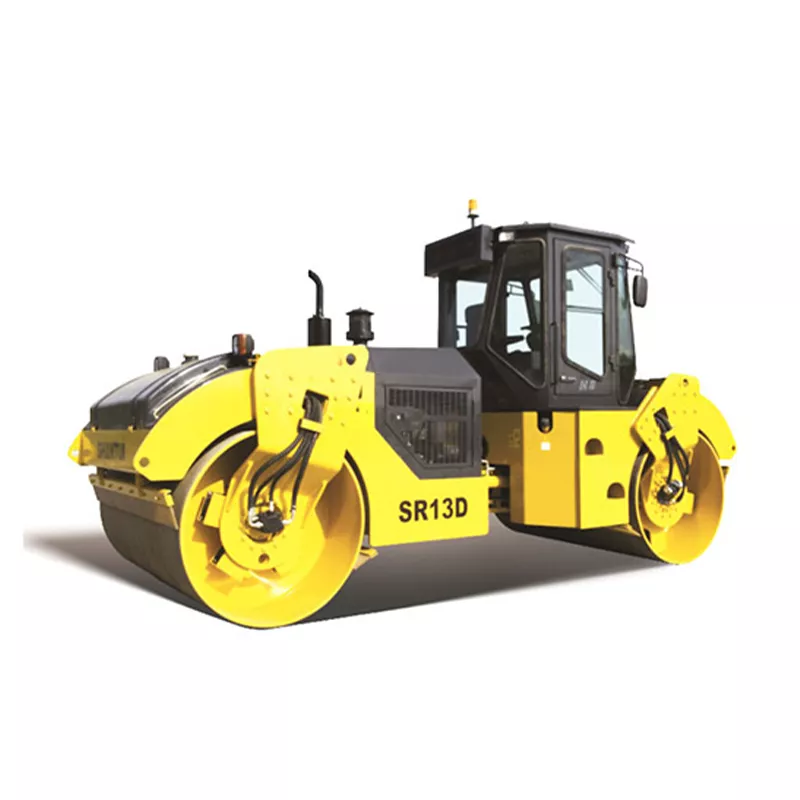
Double drum rollers have steel drums on both ends. They work smooth and flat. Asphalt crews use them for final passes on roads and runways. They do not grip loose dirt well, so skip them for rough earthwork.
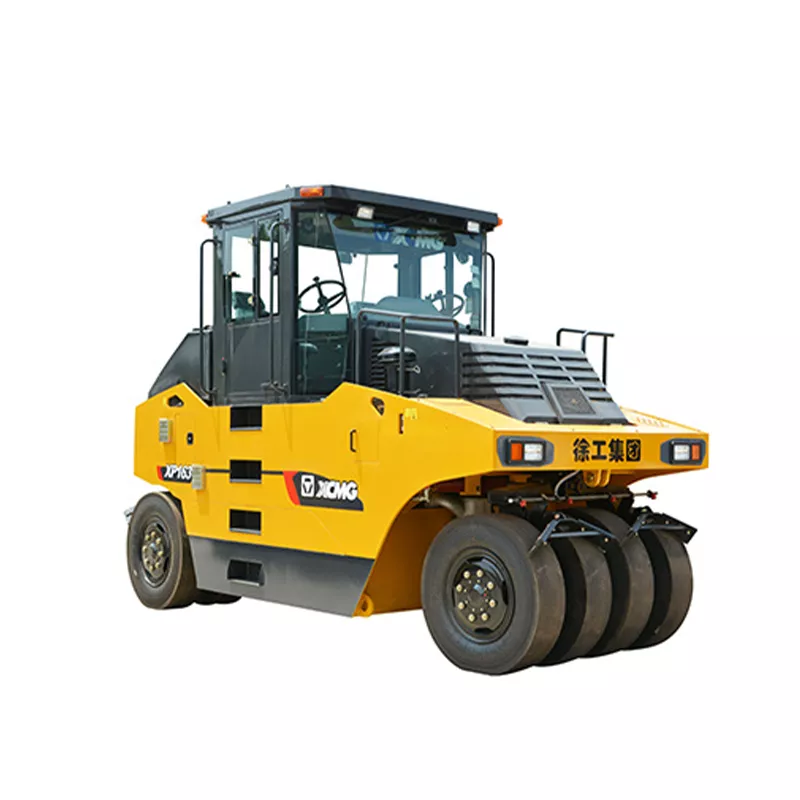
Pneumatic tire rollers use rows of rubber tires instead of drums. The tires knead the surface and seal layers together. They work great on asphalt and some soil types. Many crews pair them with drum rollers for best results.
Tandem rollers combine vibration with static weight. They suit thin lifts and finish work. For deep earth fills, you need heavier single drum units.
Think about your typical job. Deep fills and rough ground need single drum machines. Smooth asphalt calls for double drums or pneumatic types.
Drum Width and Weight Matter
Bigger is not always better. A wide drum covers more ground per pass. But it struggles on curves and tight spots. Narrow drums fit trenches and small pads. Most earthwork crews keep a mix of sizes.
Weight drives compaction depth. Light rollers under 10 tons suit thin layers and finish work. Mid-size units from 12 to 18 tons handle most base courses. Heavy rollers above 20 tons pack deep fills and rock layers.
Check your lift thickness. A 15-ton Shantui roller packs about 12 to 16 inches of loose fill in one pass. Go thicker and you need multiple passes or a heavier machine. Match the roller to your fill plan or you will fight the job all day.
 Engine Power and Fuel Use
 Engine Power and Fuel Use
Horsepower moves the machine and runs the vibration system. Underpowered units bog down in steep cuts or thick lifts. Overpowered ones burn extra diesel for no gain.
Look at the engine specs. A 140-horsepower engine runs a 12-ton roller fine. A 20-ton machine needs closer to 200 horsepower. Check torque curves too. Low-end torque helps on grades and soft ground.
Fuel tanks range from 200 to 400 liters. Big tanks mean fewer stops. But they add weight. Most crews prefer 250 to 300 liters for a full shift.
Vibration Settings and Frequency
Modern road rollers offer adjustable vibration. High frequency suits thin layers and finish work. Low frequency with high amplitude drives deep into thick fills.
Some machines let you switch from vibration to static mode. Static rolling works on brittle material that cracks under vibration. It also helps near structures where shaking causes damage.
Check the vibration frequency range. Good machines span 25 to 35 Hz. Amplitude matters too. Higher amplitude means deeper compaction. Look for 1.5 to 2.0 mm on earthwork models.
Operator Comfort and Controls
A tired operator makes mistakes. Cab comfort cuts fatigue and boosts output.
Look for air conditioning, good visibility, and low noise levels. Joystick controls beat lever banks for long shifts. A rotating seat helps the driver see the drum edge without craning their neck.
Some XCMG roller models add cameras and displays. These help in tight spots and at night. ROPS cabs protect the operator if the machine tips. FOPS guards against falling debris.
Parts and Service Network
Downtime kills profit. When a roller breaks, you need parts fast.
Shantui builds a global network. They sell in over 160 countries. Most major cities stock filters, hoses, and wear parts. XCMG runs a similar setup with service centers across Asia, Africa, and South America.
Ask your dealer about local stock. Can they get a hydraulic pump in 24 hours? Do they have a field mechanic? A cheap machine with no support costs more than a supported one in the long run.
Price vs. Value
New single drum rollers run $80,000 to $200,000 depending on size and brand. Double drums cost a bit more. Pneumatic tire units fall in the middle.
Used machines save money upfront. But check drum wear, engine hours, and vibration system health. A worn drum shell costs thousands to re-line. An engine rebuild runs even more.
Leasing works for short jobs or seasonal work. Monthly rates run $3,000 to $8,000. Some dealers include maintenance. Do the math against purchase price and resale value.
One More Thing
The best road roller is the one that fits your work. A 20-ton machine looks impressive. But if you mostly do parking lots and trenches, a 12-ton unit serves you better. Match the machine to the job, not the other way around.
For a wide range of new and used compactors, check MachPlaza. They list Shantui roller and XCMG roller models with full specs and dealer contacts.
FAQs
How long does a road roller last?
Most units run 8,000 to 12,000 hours before major work. Good care stretches that to 15,000 hours. Daily greasing and filter changes matter more than brand.
Single or double drum for dirt work?
Single drum. The tires in back grip loose ground. Double drums slip and slide on soft fill.
What size roller for a road base?
A 12 to 15-ton single drum handles most bases. Go heavier only for deep fills over two feet.
How do I check drum wear?
Measure shell thickness. New drums run 20 to 25 mm. Below 15 mm means a re-line soon. Check for cracks around the mounting points too.
Vibration or static for clay soil?
Clay responds better to static weight or low amplitude. High vibration can pump water to the surface and weaken the layer.
Shantui or XCMG?
Both build solid machines. Shantui has a longer track record in bulldozers and rollers. XCMG offers more features and newer cab designs. Test both if you can.
How many passes for proper compaction?
Four to eight passes at the right speed. Too fast and the drum bounces. Too slow wastes time. Most specs call for 2 to 4 km/h.
Can one roller do asphalt and dirt?
A single drum with smooth shell works for both. But asphalt crews prefer double drums for finish quality. If you switch often, consider two machines.
