How to Choose the Right Forklift for Warehouse Use

Industry News

2026/05/26
Picking a warehouse forklift sounds simple. Walk into any facility and you see them everywhere. But the wrong machine costs money, slows work, and creates safety risks. This guide breaks down what matters when you buy or rent a forklift for warehouse use.
Know Your Load First
Before you look at brands or specs, check what you move every day.
Weight: A 3-ton forklift cannot lift 4 tons. Overloading burns the engine and breaks the mast.
Size: Long loads need a machine with a longer wheelbase. Narrow aisles need a compact body.
Height: Standard racks run 4 to 6 meters. Make sure the mast reaches your top shelf with room to spare.
Most warehouse forklifts handle 1.5 to 3 tons. That covers pallets, boxes, and light machinery. If you move steel or engines, go bigger.
Electric vs Diesel vs LPG
This choice changes your daily cost and indoor air quality.
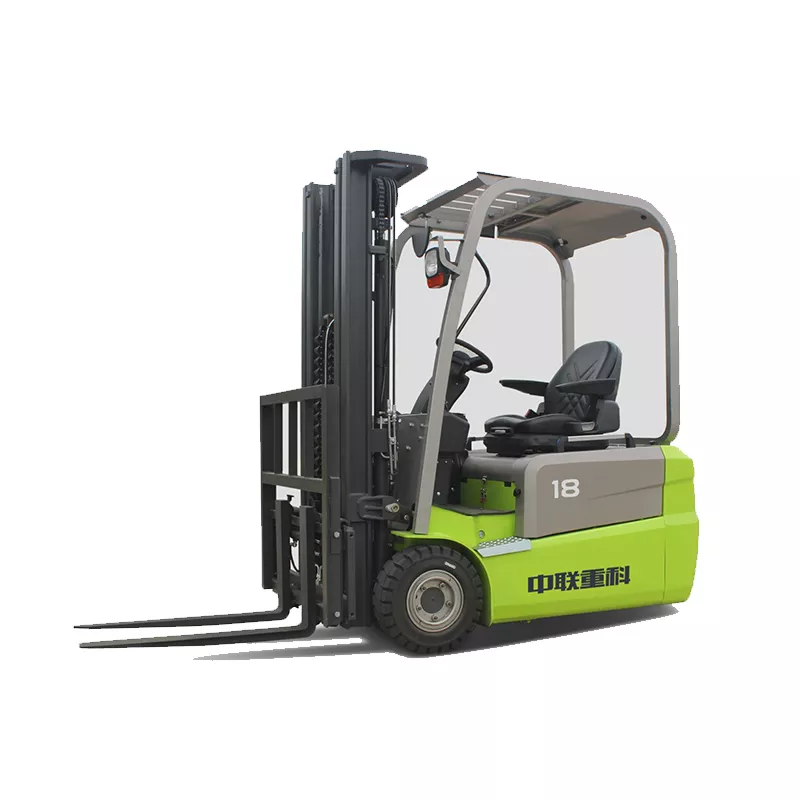
- Electric forkliftsrun quiet and clean. They work best indoors. Batteries last one full shift. You need a charging station. Brands like Hangcha and Heli make solid electric units.
- Diesel forkliftshave more power. They suit outdoor yards and heavy loads. The exhaust makes them poor for closed warehouses.
- LPG (gas) forkliftssit in the middle. They run indoors with less fumes than diesel. Fuel swaps fast, so downtime stays low.
Most modern warehouses pick electric. The lower noise and zero emissions help workers stay focused.
Forklift Types for Warehouses
Not every forklift looks the same. Here are the six common types you see in storage facilities.
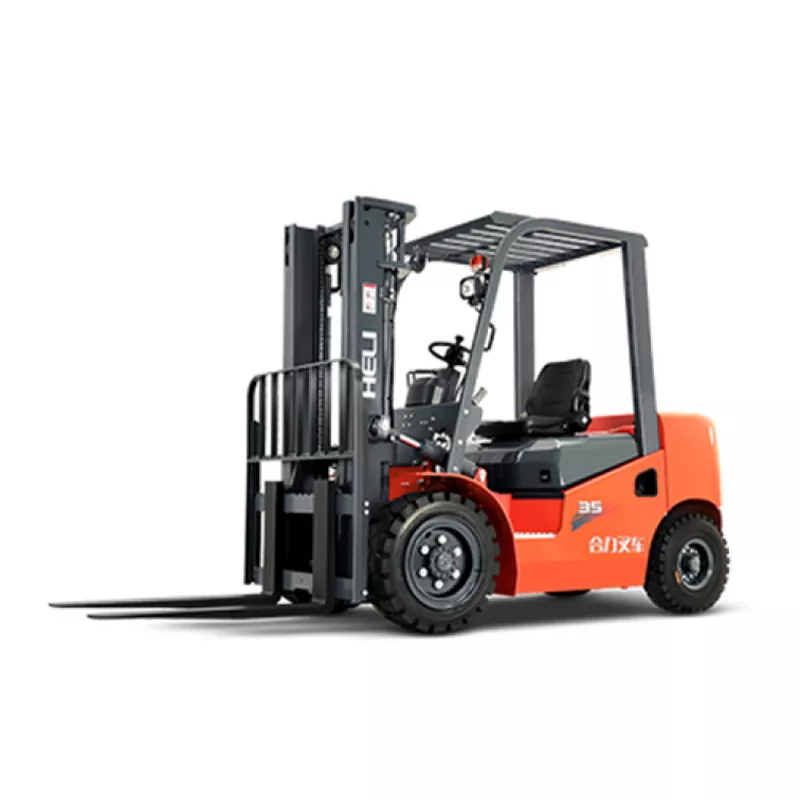
Counterbalance Forklift
This is the classic design. The weight sits at the back to balance the load. It drives like a car and works on flat floors. Most warehouses start here.
Reach Truck
These machines lift loads straight up and extend the forks forward. They work in very narrow aisles. A reach truck saves floor space and lets you stack higher.
Order Picker
Workers ride on a platform and pick items from shelves. This suits e-commerce and piece-by-piece orders. Speed matters more than heavy lifting.
Pallet Jack (Manual or Electric)
Small and cheap. You push or drive it under a pallet and move it across the floor. Great for short distances and light loads.
Stacker
Like a pallet jack but with a lifting mast. It raises pallets to low or mid-level racks. Good for small warehouses that cannot afford a full forklift.
VNA (Very Narrow Aisle) Forklift
These turn in aisles under 2 meters wide. They use wire or rail guidance. VNA machines squeeze the most storage into tight buildings.
Check the Mast and Forks
The mast does the real work. Look at these points:
- Lift height: Match it to your tallest rack plus 200 mm clearance.
- Free lift: This lets you raise forks without extending the mast. Useful under low doors or mezzanines.
- Side shift: Moves the carriage left and right. You can line up pallets without moving the whole machine.
- Fork length: Standard forks handle 1.2 m pallets. Longer forks carry two pallets at once.
Think About Forklift Parts and Service
A machine is only good if you can fix it fast.
- Parts availability: Big brands like Toyota, Komatsu, Hangcha, and Heli have wide dealer networks. Off-brand machines save money upfront but leave you waiting for parts.
- Local service: Find a dealer within two hours. Downtime costs more than a slightly higher purchase price.
- Common wear items: Tires, filters, chains, and brakes wear out first. Ask what these cost before you buy.
MachPlaza lists forklift parts from many suppliers. You can compare prices for filters, forks, and hydraulic seals in one place.
Used vs New
A used warehouse forklift cuts the price by 30% to 50%. Check these before you buy:
- Hours: Under 5,000 hours is ideal for electric. Diesel units last longer.
- Battery: Electric batteries cost thousands to replace. Test the charge cycle.
- Leak check: Look under the machine for oil or hydraulic fluid.
- Test drive: Lift a full load, drive forward and back, and hit the brakes hard.
New machines come with warranties and the latest safety tech. If you run two shifts daily, new pays off.
Safety Features to Look For
- Overhead guard: Protects the driver from falling items.
- Seat belt: Required in most regions.
- Load backrest: Stops loads from sliding onto the driver.
- Anti-rollback: Prevents the machine from rolling backward on ramps.
- Speed limiter: Keeps drivers slow in tight aisles.
Cost Breakdown
| Item | Electric | Diesel | LPG |
| Purchase price | Medium | Low | Low |
| Fuel/charge cost | Low | High | Medium |
| Maintenance | Low | High | Medium |
| Indoor use | Yes | No | Yes |
| Noise | Low | High | Medium |
Electric forklifts cost more to buy but less to run. Over five years, they often win on total cost.
One More Thing
The best warehouse forklift fits your space, load, and work hours. Do not buy based on brand hype alone. Test the machine in your aisles. Check parts prices. Talk to your operator. A good forklift keeps your warehouse moving. A bad one sits in the corner and costs you every month.
FAQs
Q1How much weight can a standard warehouse forklift lift?
Most handle 1.5 to 3 tons. Heavy-duty models go up to 5 tons or more.
Q2Which forklift type works best in narrow aisles?
Reach trucks and VNA forklifts fit aisles under 2 meters wide. They save space and raise storage density.
Q3How long does an electric forklift battery last?
One full shift, about 8 hours. Lithium batteries charge faster and last longer than lead-acid.
Q4Can I use a diesel forklift indoors?
No. The exhaust fumes are dangerous in closed spaces. Use electric or LPG instead.
Q5What is the most common forklift part that breaks?
Tires wear out first. Chains, brakes, and hydraulic seals follow close behind.
Q6How much does a used warehouse forklift cost?
Prices range from $5,000 to $25,000 based on hours, brand, and condition. New units start around $20,000.
Q7Should I rent or buy?
Rent if you need the machine for under two years or have seasonal spikes. Buy if you run daily operations year-round.
Q8What brand makes the most reliable warehouse forklift?
Toyota and Komatsu lead on reliability. Hangcha and Heli offer strong value. Match the brand to your local parts network.
Q9Do I need a special license to drive a forklift?
Yes. Most countries require operator training and certification. Check your local rules.
Q10Where can I find forklift parts online?
MachPlaza lists parts for many brands. You can search by model number and compare supplier prices.
