
How to Choose the Right Bulldozer for Your Project?

Industry News

2026/05/26
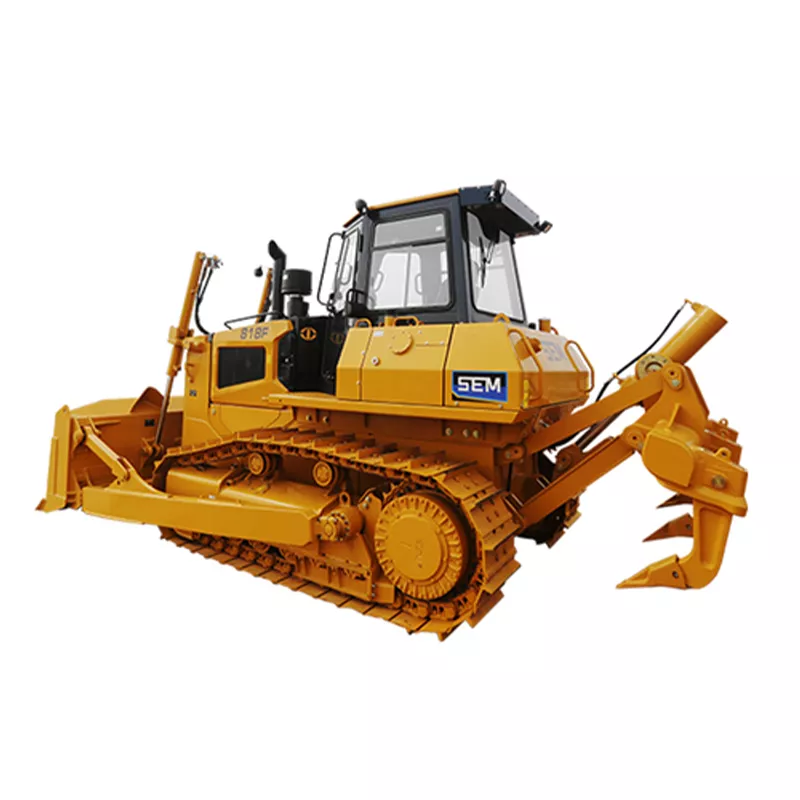
Picking the wrong bulldozer costs money. It sits unused. Or it breaks down mid-job. You miss deadlines. You lose profit. The right machine pays for itself. It works when you need it. It fits the job perfectly.
So how do you choose bulldozer models wisely? This guide walks you through the key points. No fluff. Just practical steps to select construction bulldozer units that match your work.
Start With Your Job Site
Before you look at specs, look at your ground. What are you moving? Where are you working? These two questions drive everything else.
Ground Conditions
Soft soil needs wide tracks. The machine floats instead of sinking. Rocky ground needs strong undercarriages. Sharp stones tear up weak parts. Steep slopes need powerful engines and good brakes.
Wet clay sticks to tracks. You need self-cleaning grouser patterns. Dry sand gets into everything. You need sealed components and good filters.
Material Type
Topsoil pushes easy. Hard rock needs rippers. Heavy clay needs torque. Light brush needs brush guards. Match your blade and attachments to your material.
A straight blade works for grading. A U-blade moves more material. An angle blade handles side casting. The wrong blade wastes fuel and time.
Size Matters
Bulldozers come in classes. Small ones handle light work. Big ones move mountains. Pick the right size for your jobs.
Small Dozers (Under 100 HP)
These work on farms and small lots. They fit tight spaces. They cost less to run. But they struggle with heavy loads. Do not buy a small dozer for mining work.
Medium Dozers (100-200 HP)
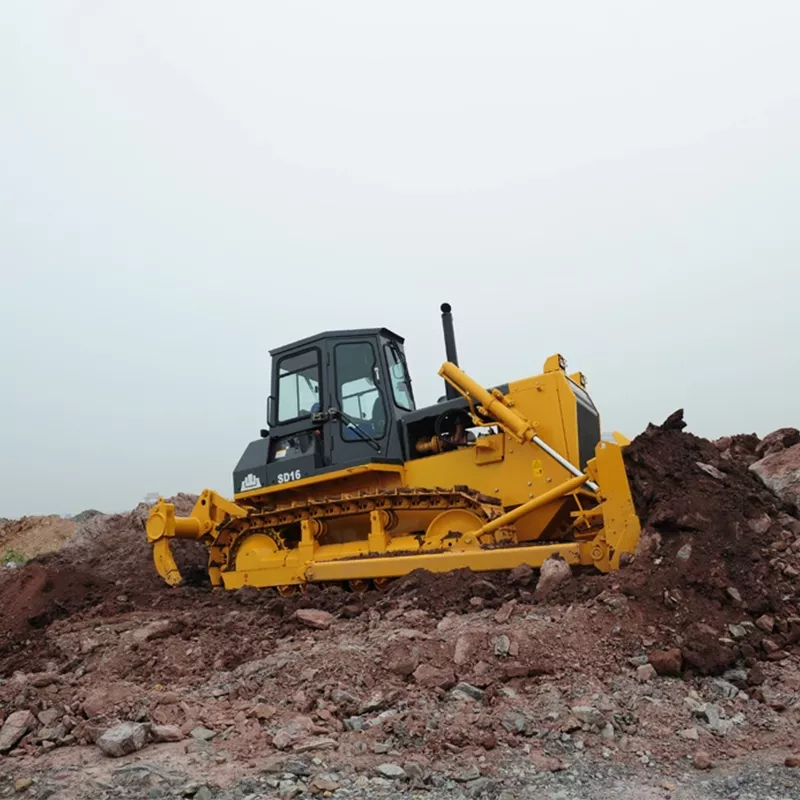
This range covers most construction. They grade roads. They clear land. They handle medium dirt jobs. The Shantui SD16 sits here. It works for general contractors.
Large Dozers (200-400 HP)
Mining and heavy earthmoving need these. They push big loads. They climb steep grades. They cost more but move more. The Shantui SD22 and SD32 fit this class.
Check the Specs
Numbers tell part of the story. Look at these key figures when you select construction bulldozer units.
Horsepower
More power means more push. But more power burns more fuel. Match horsepower to your typical load. A 162 HP SD16 handles light grading. A 320 HP SD32 moves heavy rock.
Operating Weight
Heavy machines grip better. They push harder. But they cost more to transport. They need stronger trailers. Check bridge limits in your area.
Blade Capacity
Bigger blades move more per pass. But they strain the machine. They cost more to replace. Pick a blade that matches your engine power.
New vs Used
Your budget shapes this choice. Both options work. Each has trade-offs.
New Bulldozers
New machines carry warranties. They have the latest features. They need less repair. But they cost more upfront. They lose value fast in year one.
Buy new if you run high hours. The warranty pays off. Buy new if you need specific features. Older units may lack them.
Used Bulldozers
Used machines cost less. Someone else took the depreciation hit. You get more machine for your money. But you take more risk.
Check hours carefully. Under 5,000 hours is good. Under 10,000 is acceptable. Over 15,000 means major repairs soon.
Inspect the undercarriage. It costs the most to fix. Check track wear. Look at roller condition. Ask about recent work.
Brand Considerations
Names matter in bulldozers. Some brands hold value. Others have better parts support. Think long-term when you choose bulldozer brands.
Premium Brands
Caterpillar and Komatsu lead the market. They cost more. They hold resale value. Parts cost more too. Dealers exist worldwide.
Value Brands
Shantui, XCMG, and Liugong offer solid quality. They cost less new. Parts cost less. They work well in most conditions. Resale value drops faster.
For many contractors, value brands make sense. You save money upfront. You spend less on parts. The machines handle normal work fine.
Bulldozer Parts and Support
Machines break. Parts wear out. When this happens, you need support fast.
Parts Availability
Check parts dealers near you. Some brands have better networks. Shantui sells parts in 160 countries. Caterpillar has dealers everywhere. Smaller brands may leave you waiting.
·Common bulldozer parts you will need:
·Track shoes and pins
·Cutting edges
·Filters and fluids
·Hydraulic hoses
·Engine componentsService Support
Who fixes your machine? Dealer mechanics know their brands. Independent shops may charge less. But they need experience with your model.
Ask about service intervals. Simple machines need less service. Complex machines cost more to maintain. Factor this into your choice.
Test Before You Buy
Never buy without operating the machine. A test drive reveals problems. It shows if the dozer fits you.
Start the engine cold. It should fire up fast. Smoke should clear quickly. Black smoke means engine problems.
Drive forward and back. Tracks should move smoothly. Steering should respond fast. Jerky movement means hydraulic issues.
Raise and lower the blade. It should move evenly. No sticking or drifting. Cylinders should not leak.
Price and Financing
Set your budget before you shop. Include more than the purchase price.
Add up these costs:
- Purchase price
- Transport to your site
- Insurance and taxes
- Fuel for typical use
- Maintenanc and parts
- Operator wges
- Resale value
A cheap dozer that breaks often costs more. A pricey dozer that runs forever saves money. Do the math.
Cash purchases save interest. But they tie up capital. Loans spread payments. Leases work for short-term needs. Pick what fits your cash flow.
One More Thing
The right bulldozer makes money. The wrong one loses it. Take time to choose bulldozer models carefully. Match size to your work. Match features to your needs. Match support to your location.
Do not chase the lowest price. Chase the best value. A good machine works for years. It earns back its cost many times. A bad machine sits broken. It drains your bank account.
Your project deserves the right tool. Choose wisely.
FAQs
Q1: How much horsepower do I need?
Light grading needs 100-150 HP. General construction uses 150-250 HP. Heavy mining needs 250+ HP. Match power to your typical material.
Q2: What is the best brand for small contractors?
Shantui and XCMG offer good value. They cost less than CAT. They work well for normal jobs. Parts cost less too.
Q3: How many hours is too many on a used dozer?
Under 5,000 hours is excellent. Under 10,000 is good. Over 15,000 means major repairs soon. Check maintenance records too.
Q4: Should I buy or lease?
Buy if you use the machine often. Lease for short projects. Leasing costs more long-term. Buying ties up cash.
Q5: What blade type works best?
Straight blades grade well. U-blades push more material. Angle blades cast to the side. S-blades do a bit of everything. Pick based on your main work.
Q6: How much does a bulldozer cost?
Small new dozers start around $50,000. Large ones reach $500,000+. Used machines cost 30-60% less. Prices vary by brand and condition.
Q7: What maintenance does a dozer need?
Daily checks include fluids and tracks. Weekly checks include cutting edges and filters. Major service comes every 250-500 hours. Undercarriage work varies by use.
Q8: Can one dozer do all my work?
Maybe. A mid-size dozer handles many jobs. But it struggles at extremes. Heavy mining needs big machines. Tight spaces need small ones. Consider your range of work.
Ready to buy? Visit MachPlaza to compare bulldozer models and prices from verified sellers.
