
How to Choose a Concrete Mixer Truck — Capacity, Axles & Chassis Guide

Industry News

2026/10/25
Choosing a Concrete Mixer Truck starts with the delivery route and legal payload. Drum size alone cannot tell you whether a truck fits the job. The right unit must match concrete demand, road limits, site access, chassis strength, axle layout, and local service support.
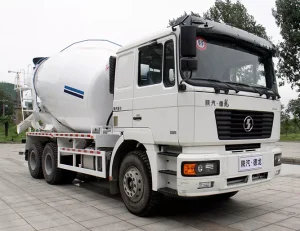
An 8m³ Concrete Mixer Truck often suits urban projects and mixed delivery routes. A 12m³ Concrete Mixer Truck can move more concrete per trip, but it needs more space and payload capacity. It may also face higher transport, tire, and fuel costs.
This guide shows how to compare capacity, axles, chassis, and mixer systems. Use it as a buying checklist. Always confirm final specifications and legal loads for your destination market.

Start with the Real Delivery Cycle
A mixer truck earns money while it moves usable concrete. It loses money when it waits, breaks down, carries too little, or cannot enter the site. Your first step is to map one complete delivery cycle.
Record these details:
- Output of the batching plant
- Average concrete volume per order
- Distance from plant to site
- Normal traffic and waiting time
- Site entrance width and turning space
- Road grade and surface condition
- Local axle-load and gross-weight limits
- Number of daily delivery trips
- Washing and return-water facilities
A large drum may improve output on open routes. Yet it can slow work at a crowded site. The driver may struggle near narrow gates, sharp turns, weak roads, or overhead limits. A smaller truck may complete more reliable trips.
Concrete quality also affects the choice. The drum rotates slowly during transport to reduce separation. Delivery time must match the concrete mix, ambient temperature, and project plan. The allowed time can change by specification and weather. Follow the concrete supplier’s procedure and local project rules.
Understand Mixer Truck Capacity
Buyers often use one capacity number for several different measurements. That can cause wrong comparisons. Ask the seller to define every figure in the quotation.
Common terms include:
- Geometric volume: The total internal volume of the drum.
- Mixing volume: The material volume the drum can mix under stated conditions.
- Rated agitation capacity: The normal volume of ready-mix concrete carried during transport.
The rated agitation capacity is usually the most useful buying figure. It describes the practical delivery volume. Yet payload weight still controls the legal load.
Concrete density varies by mix. A supplier may use a standard value for calculations, but your project mix can differ. Multiply the expected density by the loaded volume. Then add the chassis, drum, water tank, fuel, driver, and equipment weight. Compare the result with legal gross weight and axle limits.
Do not fill the drum based only on visible space. Overloading can raise the center of gravity and increase spill risk. It can also hurt mixing quality, braking, tires, axles, and driveline parts.
Request a complete weight breakdown before ordering. The document should list curb weight, rated payload, gross vehicle weight, axle ratings, and rated concrete volume.
8m³ vs 12m³ Concrete Mixer Truck
The choice between 8m³ and 12m³ is not only about four more cubic meters. It changes the chassis, axle layout, turning needs, and operating cost.
| Selection point | 8m³ Concrete Mixer Truck | 12m³ Concrete Mixer Truck |
|---|---|---|
| Best fit | Urban work and mixed project sizes | Large projects and steady high-volume demand |
| Site access | Better for tighter roads and gates | Needs more turning and unloading space |
| Trips per volume | More trips for the same output | Fewer trips when fully loaded |
| Chassis demand | Often fits a lighter configuration | Usually needs a heavier multi-axle chassis |
| Fuel and tire cost | Often lower per trip | Usually higher per trip |
| Utilization risk | Easier to fill on smaller orders | Poor value when loads are often partial |
When an 8m³ Truck Makes Sense
An 8m³ unit can suit housing projects, municipal work, repair jobs, and urban deliveries. The truck is often easier to route through busy streets. It can also handle smaller orders without carrying excess unused capacity.
This size may work well when the batching plant serves many sites. Flexible dispatch can matter more than maximum volume. A smaller truck can also reduce problems on weak access roads.
When a 12m³ Truck Makes Sense
Do not assume each trip will carry the full rated volume. Confirm axle loads with the expected concrete density. Also check gate width, turning radius, road strength, and discharge position.
Match Axles and Chassis to the Load
The chassis carries the truck, drum, concrete, water, and mixer system. A strong drum on the wrong chassis is not a safe package. The chassis must support the real load on the actual route.
Check the Axle Layout
Common layouts include 4×2, 6×4, and 8×4. Market names and legal uses vary by country. More axles can spread weight and support larger capacities. They also add tires, maintenance points, purchase cost, and turning needs.
A 6×4 chassis is common for medium mixer applications. An 8×4 chassis often supports larger drums and higher legal payloads. These are broad market patterns, not fixed rules. Local regulations and manufacturer approvals control the final configuration.
Ask for loaded axle-weight calculations. The front axle, drive axles, and any steering or trailing axle must remain within their ratings. Weight distribution matters during braking and cornering.
Compare Chassis Parts
Check these items before selecting a brand or model:
- Engine output and low-speed torque
- Gearbox ratios and clutch capacity
- Axle and suspension ratings
- Brake type and auxiliary braking
- Frame strength and wheelbase
- Tire size and local availability
- Cooling capacity for hot climates
- Cab visibility and driver controls
- Parts supply and service coverage
A powerful engine does not fix poor gearing or overload. The truck must start on grades, move through soft sites, and control speed downhill. Match the driveline to terrain and gross weight.
Wheelbase affects stability and turning. A longer wheelbase may support a larger body. It can also make narrow sites harder to enter. Use actual route drawings when possible.
Inspect the Mixer System
The mixer system includes the drum, blades, supports, hydraulic drive, reducer, controls, water system, hopper, and discharge chute. Each part affects reliability and concrete quality.
Sand and stone wear the drum and blades. Ask about steel grade, plate thickness, blade design, and wear protection. Also check the rear support, rollers, and mounting points. Uneven wear can reduce performance and raise repair costs.
The hydraulic pump, motor, and reducer keep the drum turning. A failure with wet concrete inside can create a costly emergency. Choose proven components with local parts support. Look for leaks, noise, heat, and unstable drum speed during inspection.
Controls should be simple from the cab and rear station. The operator needs smooth changes between charge, agitation, neutral, and discharge. Sudden direction changes can stress the drive system.
Check the hopper and chute for easy discharge and cleaning. Poor discharge leaves concrete inside the drum. Old material reduces capacity and can damage balance. Extension chutes must lock safely during travel.
The water system should support cleaning and approved site tasks. It should not encourage uncontrolled water addition to the concrete. Any change to the mix must follow project rules.
Calculate Ownership Cost and Reliability
Purchase price is only the first cost. A mixer truck works under heavy load and strict delivery timing. Downtime can waste concrete and stop a pour.
Estimate these costs over three to five years:
- Fuel and driver wages
- Tires and brake wear
- Engine and driveline service
- Hydraulic oil and filters
- Drum, blade, roller, and chute wear
- Insurance and road charges
- Cleaning and water use
- Finance and depreciation
- Lost work during repairs
Reliability should lead the buying decision. Check whether the chassis and mixer components have service support near the operating area. Ask which parts are stocked. Confirm the response process for pump, reducer, and hydraulic faults.
For a used truck, inspect the drum interior, blades, welds, roller tracks, reducer, pump, motor, hoses, frame, suspension, tires, brakes, and engine. Run the drum at different speeds. Check both rotation directions and all rear controls.
Review operating hours and service records. Look for old concrete buildup or repair patches. A low purchase price cannot offset a thin drum or weak hydraulic system.
Send Suppliers a Clear Buying Request
A good quotation needs more than a capacity number. Send the same project details to each supplier. This makes offers easier to compare.
Include:
- Required rated concrete capacity
- Expected concrete density
- Preferred axle layout
- Local gross-weight and axle rules
- Road grade and site conditions
- Average delivery distance
- Climate and altitude
- Emission standard
- Steering side
- Destination country and port
- New or used preference
- Budget and delivery date
MachPlaza can help buyers compare mixer truck options for urban construction, commercial concrete plants, roads, bridges, and industrial projects . Share the route and legal load data first. Then compare confirmed capacity, chassis configuration, mixer components, inspection evidence, and service support.
Ask for a written specification sheet, weight calculation, chassis model, drum drawing, component brands, working video, and warranty terms. Final capacity and axle configuration must meet local rules. Compare every quotation on the same basis, including rated load and after-sales coverage.
The Bottom Line
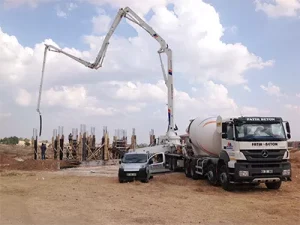
Choose a Concrete Mixer Truck around legal payload and daily delivery work. An 8m³ truck often offers better access and dispatch flexibility. A 12m³ truck can reduce trips on large, steady projects.
Do not select capacity before checking axles and chassis. Review weight distribution, site access, route grade, drum wear, hydraulic reliability, and local parts supply. The best truck carries the right load, reaches the site safely, and returns for the next trip without delay.
Before making the final choice, compare cost per delivered cubic meter. Include fuel, tires, driver time, route delays, washing, maintenance, and expected downtime. A larger truck saves trips only when the plant can fill it and the site can receive it without long waits.
Also plan for backup during peak pours. One failed truck can delay a concrete crew and leave material at risk. A fleet with the right size mix may work better than a fleet built around maximum drum capacity.
Use written data rather than sales labels. Confirm the rated agitation volume, curb weight, payload, gross weight, axle ratings, and chassis approval. Check the same figures on the final vehicle documents before shipment.
The buying rule is simple: match capacity to demand, axles to legal load, and chassis to the route. Then choose the supplier with clear specifications, inspection evidence, available parts, and reliable service.
FAQs
Q1: Is an 8m³ mixer truck good for urban work?
Yes, it often fits tighter roads and smaller sites. Check the actual wheelbase and turning radius before buying.
Q2: When should I choose a 12m³ mixer truck?
Choose it for steady high-volume work and open access. Make sure local weight rules allow the full load.
Q3: Does a larger drum always carry more concrete?
No. Legal payload and axle limits may reduce the usable load. Compare rated agitation capacity and loaded weight.
Q4: Which axle layout should I choose?
Match the layout to capacity, road law, and terrain. Ask the supplier for loaded axle-weight calculations.
Q5: What is rated agitation capacity?
It is the normal ready-mix volume carried during transport. It differs from the drum’s total geometric volume.
Q6: Why is chassis selection important?
The chassis carries every working load. Its engine, frame, axles, brakes, and cooling system must suit the route.
Q7: What mixer parts wear fastest?
Drum blades, chutes, rollers, seals, and hydraulic parts need close checks. Wear depends on material and cleaning.
Q8: What should I inspect on a used truck?
Inspect the drum, blades, reducer, hydraulics, frame, axles, tires, brakes, and engine. Test drum rotation under load.
Q9: Can I overload the drum for fewer trips?
No. Overloading can harm stability, braking, mixing quality, and legal compliance. Use the approved rated load.
Q10: What should I send a supplier?
Send capacity, concrete density, axle rules, route details, site limits, destination, budget, and delivery date.
