
How to Choose a Rotary Drilling Rig — Diameter, Depth, Torque & Soil Type Guide

Industry News

2026/10/23
Choosing a rotary drilling rig starts with the pile design and ground report. Machine size alone tells only part of the story. The rig must match the required hole diameter, drilling depth, torque, soil type, drill rod, and transport plan.
A rig that is too small may stall in dense gravel or rock. A rig that is too large can raise fuel, transport, and setup costs. The best drilling rig is the smallest machine that can finish the hardest planned hole with a safe working margin.
This guide explains a practical selection method for contractors, project managers, and equipment buyers.
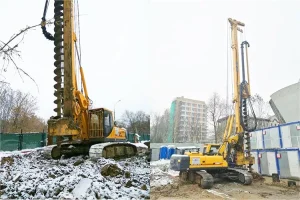
Start with the Project, Not the Machine Model
Before comparing brands, collect the basic project data. The borehole design and geology should set the minimum machine requirements. A sales brochure cannot replace this step.
Confirm these points first:
- Required pile diameter
- Maximum drilling depth
- Soil and rock layers
- Groundwater level
- Expected daily output
- Site access and working space
- Transport limits
- Local noise or emission rules
The geological report deserves close attention. One site may include soft clay near the surface, dense gravel below it, and weathered rock at the bottom. A rig selected only for the upper layer may lose speed later. Tool wear and fuel use may also rise.
Project location also matters. Urban work may need a compact rig with low noise. Mountain projects may favor lighter equipment that moves between sites easily. Deep coastal foundations may need a larger rig, longer drill rod, and stronger crowd force.
Use the most difficult repeated condition as the selection point. Do not size the machine for one rare hole unless the contract demands it.
Match Hole Diameter, Depth, and Torque
These three factors work together. A wider hole needs a larger and heavier bucket. A deeper hole needs a longer drill rod with more sections. Harder ground needs more torque and downforce.
Choose for Hole Diameter
Large-diameter drilling creates more cutting resistance. The rig must rotate the tool without losing speed or stability. It also needs enough chassis size and mast strength for the selected bucket.
As a broad market reference, smaller rigs often handle narrow building and municipal piles. Medium rigs cover many bridge and commercial foundation jobs. Large rigs serve deep, wide, or rock-socketed piles. Actual limits vary by model, drill rod, tool, and geology.
Check Maximum Drilling Depth
Do not compare depth ratings alone. Ask which drill rod reaches the stated depth. Kelly bar length, section count, weight, and locking method all affect real performance.
A deep rating in soft soil does not prove equal output in rock. Added rod weight can reduce lifting speed and raise fuel use. Confirm the rated depth with the planned diameter and ground layer.
Use Torque as a Working Range
More torque can help in dense gravel and rock. Yet maximum torque is not the only measure. Hydraulic flow, crowd force, rotary speed, chassis weight, and operator control also shape drilling performance.
The goal is not the highest number. The goal is enough usable torque for the tool and formation.
Use Soil Type to Select the Rig and Tooling
Ground conditions can change the machine class and drilling method. Soft soil often favors faster rotary speed and lighter tools. Dense gravel, boulders, and rock need stronger torque, more downforce, and wear-resistant tooling.
Use this table as an initial guide:
| Ground condition | Main challenge | Selection focus | Typical tooling |
|---|---|---|---|
| Clay and silt | Sticky spoil and hole cleaning | Efficient rotation and easy discharge | Soil bucket or auger |
| Sand with groundwater | Wall stability and collapse risk | Controlled speed and casing support | Bucket with casing system |
| Dense gravel | High resistance and tool wear | Torque, crowd force, and strong teeth | Rock bucket or core barrel |
| Weathered rock | Slow cutting and heat | Stable torque and suitable rotary speed | Rock auger or core barrel |
| Hard rock | Very high cutting load | Heavy rig, strong mast, and rock tools | Core barrel and special cutters |
Tool choice matters as much as rig power. The wrong bucket can make a capable machine look weak. It can also damage teeth, increase vibration, and reduce hole quality.
Ask the contractor or supplier to match the tool to each layer. Check the tooth type, bucket opening, wear protection, and spoil release. If casing is required, confirm that the rig can handle the casing diameter and weight.
Choose the Right Drill Rod and Machine Class
Rotary rigs commonly use friction Kelly bars or interlocking Kelly bars. Each design serves a different ground condition.
A friction Kelly bar transfers force through contact between the sections. It is often used for deep holes in softer formations. It is lighter and simple to operate. Yet it may slip when high downforce is needed.
An interlocking Kelly bar uses mechanical locking points. It can transfer more crowd force into dense gravel and rock. The design suits harder formations, but the rod is heavier. Operation and unlocking also need more care.
Machine class should follow the same logic. Small rigs can offer lower fuel use and easier transport. They fit building foundations, municipal work, and limited-access sites. Medium rigs cover a wider range of bridge, factory, and commercial projects. Large rigs suit deep foundations, large diameters, and hard formations.
Treat published ranges as screening data only. Model names may reflect maximum torque, but naming rules differ by manufacturer. Two rigs with similar labels may have different weights, masts, winches, pumps, and drilling limits.
Request the full specification sheet. Compare the exact configuration, not only the model number.
Check Output, Transport, and Ownership Cost
Buying a larger rig may create spare capacity. It can also create idle time and higher operating costs. Calculate the cost per completed meter or pile, not only the purchase price.
Estimate these items:
- Fuel and operator cost
- Tool and tooth wear
- Kelly bar inspection and repair
- Hydraulic oil and filters
- Transport permits and trailers
- Assembly and dismantling time
- Site preparation needs
- Parts supply and service response
- Expected downtime
Transport can change the result. A heavy Rotary Drilling Rig may need special trailers, route approval, cranes, and extra setup work. Frequent relocation can favor a smaller machine, even when the larger rig drills faster.
New and used rigs need different checks. For a used machine, inspect the Kelly bar, rotary head seals, main pump, valves, hoses, winches, mast, undercarriage, and weld repairs. Run the machine under load. A short idle test may hide pressure loss or overheating.
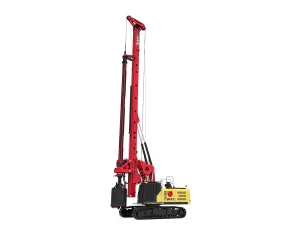
Build a Clear Request for Suppliers
A supplier can recommend the right machine only when the project details are clear. Sending one message that says “I need a drilling rig” invites weak comparisons.
Send this information instead:
- Maximum and common pile diameter
- Maximum and common drilling depth
- Geological report or soil description
- Required tool types
- Casing diameter and length
- Site altitude and temperature
- Working-space and access limits
- Destination country and port
- New or used equipment preference
- Budget and delivery schedule
Before ordering, ask for clear machine photos, a working video, serial-number details, and a written configuration list. For used units, request a load test and close views of wear points. Final drilling capacity must be confirmed for the selected model, rod, tool, and geology.
FAQs
Q1: What size rotary drilling rig do I need?
Start with pile diameter, depth, and the hardest soil layer. Then choose a rig with enough torque, crowd force, mast capacity, and lifting power.
Q2: Is higher torque always better?
No. Extra torque adds cost and may not improve soft-soil work. Match usable torque to the tool, diameter, and formation.
Q3: Which factor matters more, diameter or depth?
Both matter. Diameter affects tool size and cutting resistance. Depth affects drill rod length, weight, and lifting demand.
Q4: Which Kelly bar suits hard ground?
An interlocking Kelly bar often suits dense gravel and rock. It can transfer more downforce than a friction bar.
Q5: Can a small drilling rig work in rock?
It may handle weathered rock with the right tool. Hard rock or large rock sockets may need a heavier rig and stronger tooling.
Q6: How should I use the geological report?
Find the deepest hard layer and check groundwater conditions. Use those details to choose torque, crowd force, tools, and casing support.
Q7: What should I inspect on a used rig?
Check the Kelly bar, rotary head, hydraulics, winches, mast, undercarriage, and welds. Test the machine under a real load.
Q8: Why does transport cost matter?
Large rigs may need special trailers, permits, cranes, and extra setup. These costs can change the best machine choice.
Q9: What information should I send a supplier?
Send the pile diameter, depth, geology, casing needs, site limits, location, budget, and delivery date.
Q10: Can one rig cover every project?
Rarely. Choose for your common work and hardest repeated condition. Renting a special rig may suit rare oversized jobs.
Previous
None