
How to Choose a Bulldozer for Land Clearing & Construction

Industry News

2026/04/17
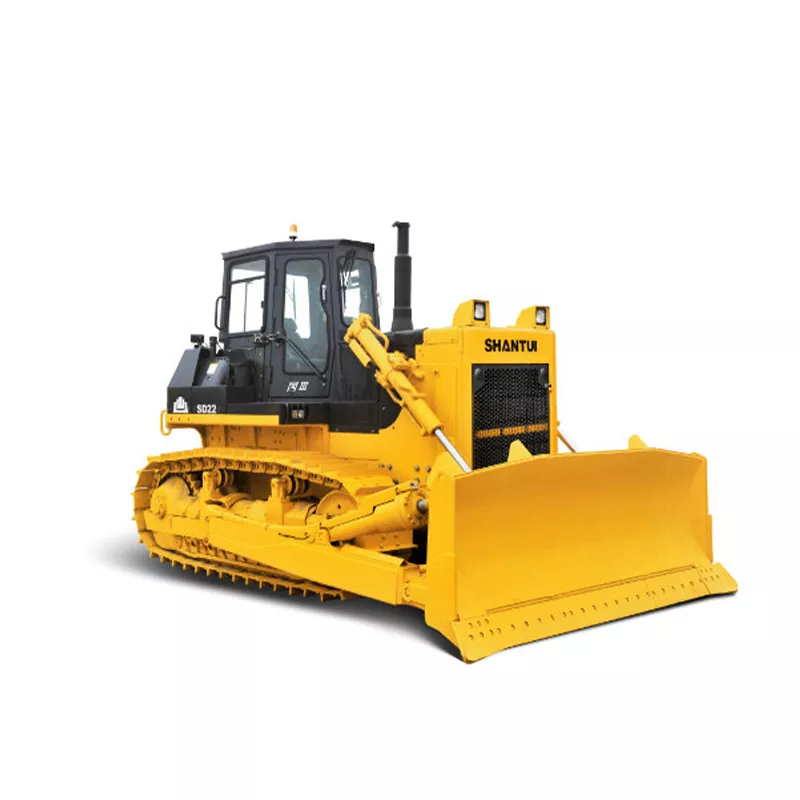
Land clearing and construction projects need powerful machines. A bulldozer pushes soil, debris, and vegetation efficiently. These crawler machines handle tough terrain where wheel loaders cannot go. This guide helps you choose the right bulldozer for your project.
Why Bulldozers Excel at Heavy Work
Superior Traction on Rough Ground
Crawler tracks spread weight over a large area. This provides excellent grip on mud, sand, and soft soil. Bulldozers work where wheeled machines get stuck. Their high ground clearance helps navigate obstacles.
Heavy Push Force
The front blade pushes massive amounts of material. Large models move hundreds of cubic meters per day. Blade capacity ranges from 2 to 30 cubic meters. More material per pass means faster completion.
Durable Undercarriage
Track systems last long in harsh conditions. They handle rocks, stumps, and debris. Unlike tires, tracks resist punctures and cuts. This reduces downtime and repair costs.
Ripper Attachments Break Hard Ground
Heavy-duty ripper shanks break compacted soil and rock. This prepares ground for further clearing. ripping attachments save time on tough jobs.
Key Specifications to Consider
Engine Power
Small bulldozers produce 50 to 100 horsepower. Medium units range from 150 to 250 horsepower. Large machines exceed 350 horsepower. Higher power pushes more material but uses more fuel.
Blade Capacity
Universal blades handle multiple tasks. Straight blades excel at fine grading. Angled blades push material to the side. Sizing depends on project scale and material type.
Operating Weight
Light models weigh 5 to 10 tons. Medium units range from 15 to 25 tons. Heavy-duty machines exceed 30 tons. Weight affects transport costs and ground pressure.
Undercarriage Type
Standard undercarriage suits most conditions. Heavy-duty tracks handle rocky ground. Wide-track models reduce ground pressure for soft soils.
Common Applications
Land Clearing
Bulldozers push trees, stumps, and debris. They level ground for construction. Their power handles large-scale clearing projects efficiently.
Mining Operations
Heavy-duty dozers move ore and overburden. They work in harsh environments. Their durability handles continuous operation.
Road Construction
These machines prepare road beds and move aggregate. They grade and level terrain. Their precision supports accurate grading.
Site Preparation
Contractors use bulldozers for foundation sites. They clear vegetation and level ground. Their versatility handles various site conditions.
Buying Tips
Match Size to Project Scale
Large machines cost more to operate. Small projects need smaller units. Oversized equipment wastes fuel and money.
Check Undercarriage Condition
Tracks represent major maintenance cost. Inspect idlers, rollers, and sprockets. Good undercarriage extends machine life.
Verify Blade Hydraulics
Check for smooth blade raise and tilt. Leaks reduce performance. Well-maintained hydraulics improve efficiency.
Consider Fuel Efficiency
Tier 4 final engines meet emission standards. They also improve fuel economy. Newer models save on operating costs.
Maintenance Guidelines
Check track tension every day. Inspect blades for wear weekly. Lubricate pivot points regularly. Following schedules prevents costly breakdowns.
Why Choose MachPlaza
MachPlaza connects buyers with verified bulldozer suppliers. They offer competitive pricing and comprehensive support. Find your perfect dozer through MachPlaza today.
Conclusion
Choosing the right bulldozer impacts project success. Consider power, size, and application needs. A well-matched machine delivers strong returns on investment.
FAQs
Q1: What size bulldozer do I need for land clearing?
Medium units around 20 tons handle most clearing jobs. Large machines suit big projects. Match size to your typical workload.
Q2: How long do bulldozers last?
With proper maintenance, bulldozers last 15,000 to 20,000 hours. Regular service extends operational life significantly.
Q3: What is the difference between a dozer and a loader?
Dozers push material with front blades. Loaders lift and move material with buckets. Each serves different purposes.
Q4: Can bulldozers work on slopes?
Yes. Many models operate on slopes up to 35 degrees. Grade control systems improve safety on inclines.
Q5: What attachments work with bulldozers?
Common attachments include rippers, winches, and forestry blades. Quick-attach systems expand capabilities.
Q6: How often should I check track tension?
Check track tension daily during heavy use. Proper tension prevents premature wear. Too tight or too loose causes problems.
Q7: What brands does MachPlaza offer?
MachPlaza partners with leading manufacturers including SHANTUI, XCMG, SEM, FMAN and others. They provide options across price ranges.
