
Choosing the Right Horizontal Directional Drilling Rig for Different Soil Conditions

Industry News

2026/04/16
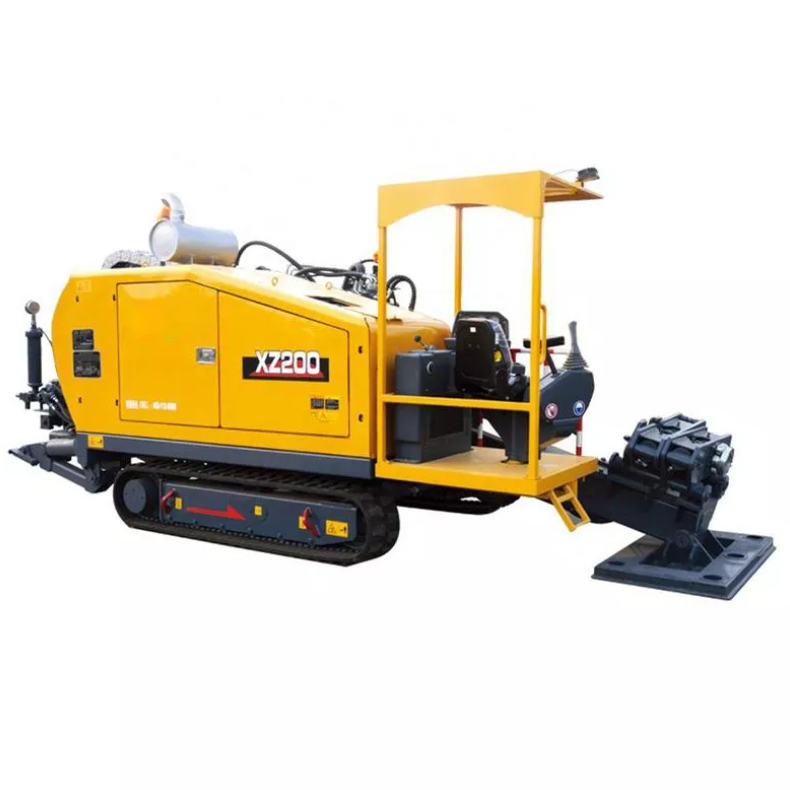
In today’s world of building projects, Horizontal Directional Drilling (HDD) serves as a key way to place underground utilities. It covers things like gas lines, water pipes, and communication cables. HDD helps cut down on surface damage and keeps things smooth. The method lets workers drill under roads, rivers, and barriers without digging big trenches.
Yet, the outcome of an HDD job relies a lot on the ground type. It could be soft sand, sticky clay, or tough rock. Each kind needs a unique plan and setup for the machine. In this piece, we look at picking the best Horizontal Directional Drilling Rig (HDD Rig) based on ground types. This guide aids builders and experts in making projects work better, save money, and stay safe.
Introduction to Horizontal Directional Drilling
Horizontal Directional Drilling (HDD) is a no-dig method to put in pipes, tubes, and wires below ground. It differs from old-style digging. HDD brings benefits like less harm to nature, little mess on top, and quicker setup. People use HDD machines in fields such as phone services, oil and gas, water supply, and waste systems.
An HDD rig includes a main unit that gives push and turn power to move the drill head through the earth. Tools track the drill route closely. After making the first small hole, workers widen it to fit the pipe or wire.
Factors Affecting HDD Rig Selection
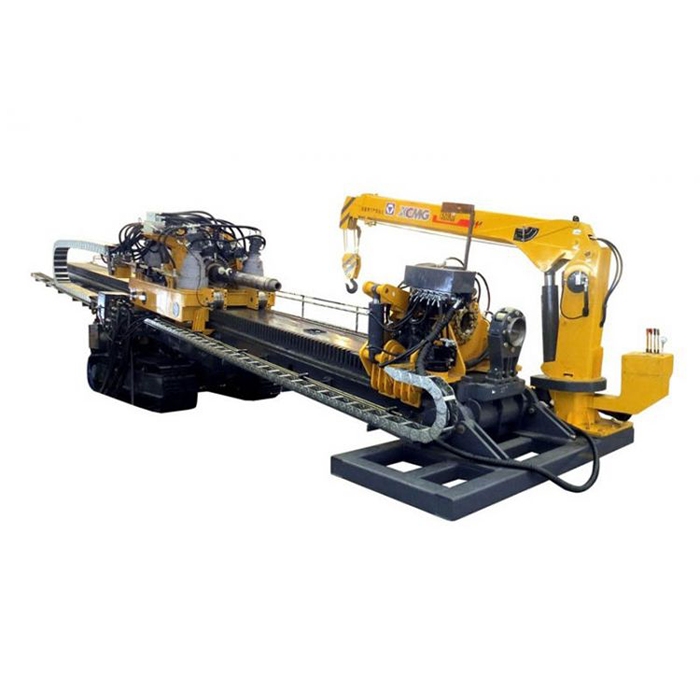
Several main things shape how well an HDD rig works. These include the makeup of the ground, how deep the drill goes, the push and turn force needed, and the size of the pipe to install. To pick the correct machine, one must grasp these details. This ensures the rig can deal with what it faces.
1. Soil Composition and Its Impact on HDD Rig Selection
Sandy Soil
Sandy soil has loose grains with weak bonds. It is fairly simple to bore into. However, it brings issues like the hole falling in. For sandy ground, the HDD rig needs fair push power but not much turn force.
Key Features to Look for:
- Moderate thrust capacity:A rig with a push level of about 20-30 kN often works well for sandy soil.
- Lower torque:Sandy soil needs less turn power than other types. This makes it simpler to control.
Recommended Rig Specifications:
- Thrust: 20–30 kN
- Torque: 1500–2500 Nm
In sandy soil, you need less water or mud to help the drill head slide. Still, the fluid matters to stop the hole from caving. Picking the right fluid can steady the path and speed up the work.
Clay Soil
Clay soil sticks together and holds firm. It can be harder to drill. When it gets wet, it expands. This might make the hole close up if not handled right. To bore through clay, you need HDD rigs with stronger push and more turn power.
Key Features to Look for:
- High thrust and torque capacity: Clay’s stickiness calls for greater push and turn levels to break through.
- Improved mud circulation: A solid mud flow setup is key. It keeps the hole steady and cools the drill head.
Recommended Rig Specifications:
- Thrust: 40–50 kN
- Torque: 2500–3500 Nm
For clay soil, select a rig with better fluid handling tools. This deals with extra rub and heat on the drill head. The mud should hold dirt pieces well to avoid clogs.
Rock and Hard Soil
Boring into rock or firm soil is the toughest task for HDD rigs. These need top push and turn power to get through. Special rock tools pair with strong rigs to tackle the solid and dense rock.
Key Features to Look for:
- High thrust and torque: The machine’s power must be much greater to fight rock’s strong pushback.
- Robust drill bits: Tough bits made for rock are vital for good results.
Recommended Rig Specifications:
- Thrust: 60 kN or higher
- Torque: 3500–4500 Nm
Machines built for rock often have extra cooling parts and stronger drill rods. These stand up to the hard work in rock. Workers should expect slower progress and higher costs in such areas.
2. Rig Features Based on Soil Type
Now that we covered soil impacts, let’s turn to specific rig traits for each type. This builds on the earlier points and gives clear choices.
Sandy Soil
Sandy conditions call for a machine with these basic specs:
- Thrust Capacity: 20–30 kN
- Torque Range: 1500–2500 Nm
- Mud Pump Power: Fair level
- Cooling System: Simple setup
Clay Soil
Clay ground demands an HDD rig like this:
- Thrust Capacity: 40–50 kN
- Torque Range: 2500–3500 Nm
- Mud Pump Power: Strong to handle sticky ground
- Cooling System: Better design
Rock Soil
Rock drilling requires a rig with these strong features:
- Thrust Capacity: 60 kN or more
- Torque Range: 3500–4500 Nm
- Mud Pump Power: Strong, plus special mixes
- Cooling System: Top-notch for long runs
3. Selecting the Right HDD Rig for Your Project
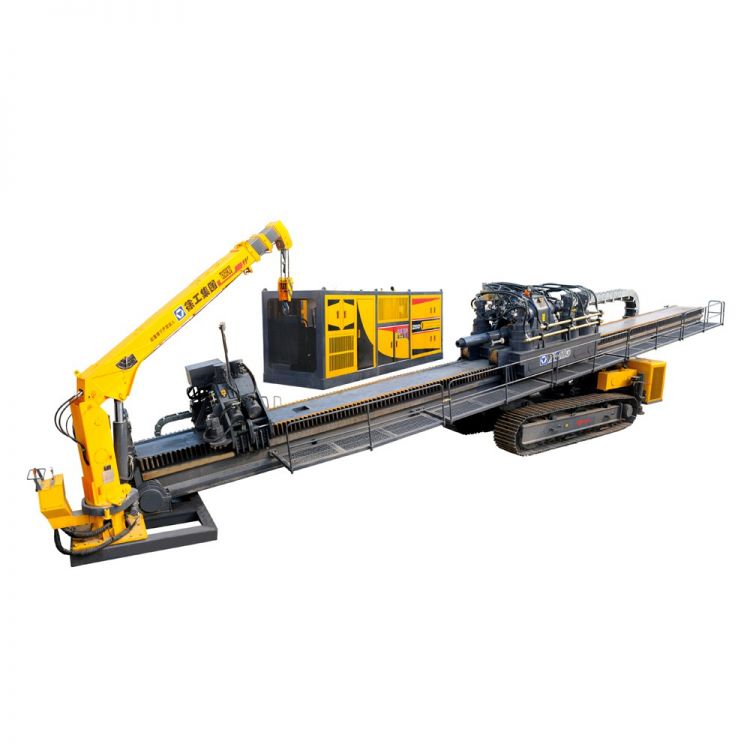
After checking the ground at your site, pick the HDD rig that fits the needs. Rigs vary in power. Balance push, turn, and size to match the task. This step ensures smooth work without surprises.
To wrap up the selection process, remember that site tests can confirm soil details. Always review project length and pipe size too. These add to making the best choice.
About MachPlaza
MachPlaza is a leading supplier of Horizontal Directional Drilling (HDD) rigs, offering advanced and reliable equipment for a variety of underground construction projects. With a focus on high-quality performance and customer satisfaction, MachPlaza provides tailored HDD solutions designed to meet the unique demands of each project, from sandy soils to challenging rock formations. Our innovative rigs are built to ensure maximum efficiency, precision, and safety, making them ideal for industries such as telecommunications, utilities, and infrastructure. With a reputation for durability and excellence, MachPlaza is committed to supporting the success of every drilling project.
Conclusion: Choosing the Right HDD Rig for Your Project
Picking the correct Horizontal Directional Drilling Rig means looking at ground type, push and turn demands, and job details. By studying these well, teams can improve drilling, skip holdups, and get good results. It works for sand, clay, or rock. The right rig leads to a solid, affordable setup.
Overall, good planning saves time and effort. Contractors who match rigs to conditions often finish ahead. This approach boosts safety and cuts costs in the long run.
FAQs
How do I choose the right HDD rig for sandy soil?
For sandy soil, seek an HDD rig with fair push power (20–30 kN) and less turn force (1500–2500 Nm). Also, pick one with good mud flow to keep the hole steady.
What are the challenges when drilling through clay soil with an HDD rig?
Clay soil sticks and swells when wet. This can make the hole cave in. Select an HDD rig with strong push (40–50 kN) and turn (2500–3500 Nm). Add a tough mud flow system to avoid issues.
Can HDD rigs handle rock drilling?
Yes, they can. But rock needs special rigs with big push (60 kN or more) and turn (3500–4500 Nm). These have strong drill heads and better cooling for best work.
How does soil type affect HDD rig performance?
Ground type shapes the push and turn needed for smooth drilling. Sand takes less power. Clay and rock call for more to succeed.
What is the best HDD rig for general-purpose drilling?
For many jobs, an HDD rig with fair push (30 kN) and turn (2000–3000 Nm) fits well. Still, tweak it for your site’s exact setup.
