
Revolutionize Concrete Mixing with a Self Loading Mixer

Industry News

2026/04/09

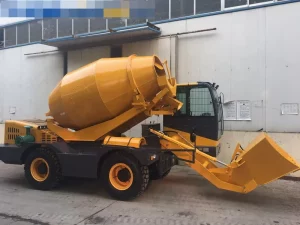
Tired of depending on old ways to mix concrete? Self loading mixers change the game for construction crews. These machines load, mix, and pour concrete all in one place. No more relying on multiple vehicles or manual labor. The FM535SLA Self Loading Concrete Mixer proves this point well. It handles 3.5 cubic meters per batch. Four batches per hour keeps projects moving. This machine works for concrete, sand, fertilizer compounds, and wet or dry feed materials. Small to medium construction jobs see the biggest benefit.
How Self Loading Mixers Work
Traditional mixers need external loaders or manual labor for feeding materials. Self loading mixers combine three functions in one machine. They load, mix, and pour without extra equipment. The hydraulic arm picks up sand, stone, and cement. It rotates 360 degrees to drop materials into the mixing drum. The electronic weighing system checks material weight in real time. This ensures the right concrete mix ratio every time. The double helix mixing blades work in opposite directions. This makes the mix uniform within 5-8 minutes per batch. That beats manual mixing by a wide margin.
Powerful Engine and Drive System
The FM535SLA runs on a Yuchai Ycd4j22t diesel engine. This 85KW powerhouse sits on an articulated chassis. The engine connects directly to a 280 torque converter. That setup delivers strong torque to all four wheels. Dual high and low speed ranges let operators choose the right pace. Low speed goes 0-25 kph. High speed hits 0-40 kph. The 40° climbing ability means steep slopes do not stop this machine. Four-wheel drive handles rough terrain well.
Mixing Drum Design
The drum holds 5.5 cubic meters geometric volume. Best mixing output sits at 3.5 cubic meters per batch. Double helix mixing blades work with a guide screw. This design makes the mix more uniform. The spiral turns feed left and discharge right. A 16° tilt of the mixing tank helps with smooth discharge. These features matter when you need consistent concrete quality. The inner wall uses wear-resistant steel. It gets polished to reduce concrete sticking. That means less material waste each batch.
Hydraulic and Control Systems
Two hydraulic pilot joysticks control the scoop, upper arm, and tank. The 271 turn capability gives operators flexibility. A 150 cm detachable chute extends discharge reach. Independent double circuit brakes use a small servo pump. Single wheel 4-piston plus double brake caliper provides strong stopping power. FARSEE pumps and valves handle work hydraulics. These systems work together for smooth operation.
Additional Features
Electronic weighing system comes standard. Language options make it user-friendly. An 800L water tank and 130L diesel tank support long work sessions. A 180L hydraulic oil tank uses season-appropriate oil. High-pressure water pump helps with cleaning. These details add up to a reliable machine.
How to Choose a Quality Self Loading Mixer
Check the Manufacturer
Good manufacturers have their own research teams. They optimize equipment for different job sites. For mountain areas, they offer four-wheel drive chassis for better climbing. For cold northern regions, they add heating systems to prevent concrete freezing. Look for manufacturers with strong after-sales service.Regular on-site maintenance and quick spare parts replacement matter. These things reduce your downtime risk.
Look at the Chassis
Quality mixers use national standard steel for the frame. This steel resists deformation over long-term use. Poor quality products might use recycled steel. That leads to cracks after extended use. The FM535SLA uses a strong articulated chassis. It handles tough conditions well.
Examine the Hydraulic System
Top manufacturers use well-known brands for hydraulic pumps and motors. These include Rexroth and Kawasaki. Their parts last five years or more. Budget options might use unknown brands. Those parts often need replacement within one year. The FM535SLA uses FARSEE pumps and valves. Soyota handles the torque converter and mixing system. These are reliable brand names.
Inspect the Mixing Drum
Quality drums use wear-resistant steel inner walls. The surface gets polished to reduce concrete sticking. Poor quality drums have rough inner walls. Each batch might leave 10% residue. That wastes materials. The FM535SLA drum design minimizes this waste.
Consider Your Job Site Needs
For steep slopes, check the climbing ability. The FM535SLA handles 40° slopes. For remote sites, fuel efficiency matters. The 3L per hour consumption stays reasonable. For cold climates, verify hydraulic oil grades. Use NO68 in summer, NO46 in winter, and NO35 in very cold zones.
Operational Requirements
Operators need training on hydraulic controls. The dual joystick system takes practice. Regular maintenance keeps the torque converter and hydraulics in good shape. Check hydraulic oil levels before each shift. These simple steps extend machine life.
Cost Factors
Fuel consumption runs about 3L per working hour. That rate stays reasonable for a mixer of this class. Consider the whole weight of 8100kg. It affects transportation costs. The 7100 by 2750 by 3300mm dimensions fit standard transport. Factor in tire wear. The 12R-22.5 steel wire high pressure vacuum tires need regular checks.
Conclusion
The FM535SLA from FMAN brings real value to construction operations. It loads, mixes, and pours without extra equipment. The powerful engine and smart hydraulic systems handle tough jobs. The electronic weighing and flexible controls make operators more productive. Four batches per hour keeps projects on schedule.
For those looking to upgrade their concrete mixing setup, the FM535SLA deserves a close look. It fits small to medium projects well. The price point makes sense when you factor in reduced labor and equipment costs.
Ready to explore options? Check MachPlaza for this model and similar self loading mixers. They connect buyers with verified suppliers. Their platform offers competitive pricing and reliable service. Visit machplaza.com to find what you need.
FAQs
Q1: What makes the FM535SLA different from regular concrete mixers?
It loads materials, mixes concrete, and pours all in one machine. No need for separate loaders or mixers. This saves time and money on every job.
Q2: How much concrete can it mix per batch?
The drum holds 5.5 cubic meters. Best mixing output is 3.5 cubic meters per batch. Four batches per hour means 14 cubic meters hourly.
Q3: What type of engine does it use?
Yuchai Ycd4j22t diesel engine. 85KW rated power. Water-cooled 4-cylinder design. This engine handles heavy mixing work well.
Q4: Can it handle steep slopes?
Yes. The 40° climbing ability works on most construction sites. Four-wheel drive helps on rough terrain.
Q5: What about maintenance?
Check hydraulic oil and filters regularly. Use the right oil grade for the season. Basic maintenance keeps it running for years.
Q6: Is the operator control easy to learn?
The dual joystick system needs practice. Most operators get comfortable after a few hours of training. The controls respond well once learned.
Q7: What materials can it mix?
Concrete, sand, fertilizer compounds, wet or dry feed materials. The versatile mixing capability fits different job requirements.
Q8: How fast can it move between sites?
High speed mode reaches 0-40 kph. Low speed mode goes 0-25 kph. The dual speed ranges give flexibility for different conditions.
Q9: What is the fuel consumption rate?
About 3 liters per working hour. This keeps operating costs reasonable for a mixer of this capacity.
