
Diaphragm Wall Applications: Deep Excavation, Cut-Off Walls and Foundation Engineering

Industry News

2026/09/04
Ever wonder how skyscrapers stay stable in soft ground? Or how tunnels don’t flood? The answer often lies underground. Diaphragm walls are concrete walls built in the soil before excavation starts. They hold back earth and water. They also carry the building’s weight. But not all projects need them. And not all diaphragm walls are built the same way.
What Is a Diaphragm Wall?
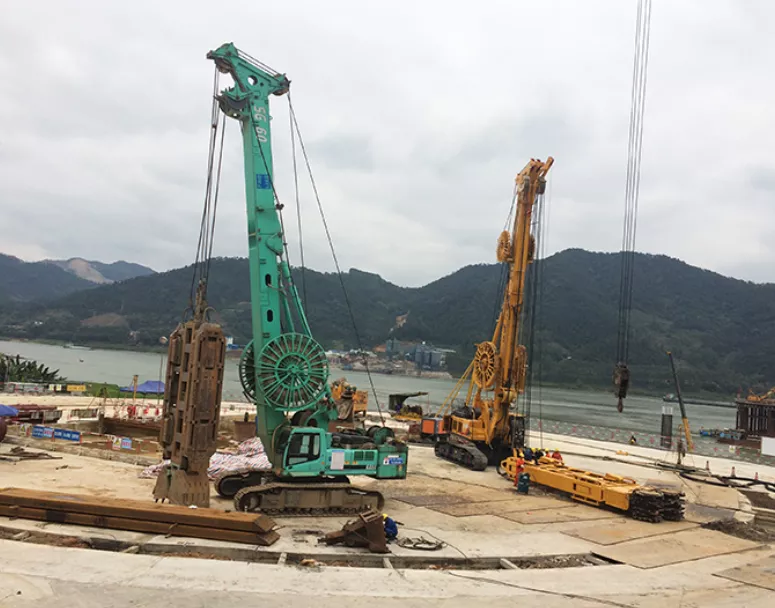
A diaphragm wall is a reinforced concrete wall built in a deep trench. Workers dig a narrow slot in the ground. They fill it with bentonite slurry to keep the sides from collapsing. Then they lower a steel cage into the trench. Finally, they pour concrete through a tremie pipe. The slurry displaces upward as concrete fills the bottom.
The result is a wall segment. Many segments connect to form a continuous wall. Wall thickness ranges from 20 inches to 5 feet. Depth can reach 150 feet or more.
Deep Excavation Support
Deep excavation is the most common use for diaphragm walls. When you dig a basement 50 feet down, the soil pushes inward. The walls keep the hole open.
Sheet piles work for shallow digs. But below 30 feet, sheet piles bend and leak. Diaphragm walls stay rigid. They also cut off groundwater. This keeps the excavation dry.
Metro stations in cities use diaphragm walls. The walls line the station box. Excavation happens inside. Trains run nearby with no ground settlement.
Basements for tall buildings need them too. The wall becomes part of the permanent structure. It carries vertical loads from the building above. This saves material. One wall does two jobs.
Cut-Off Walls for Dams and Tunnels
Cut-off walls stop water flow through porous ground. Dams use them to prevent seepage under the structure. Without a cut-off, water erodes soil beneath the dam. This causes failure.
Diaphragm walls work as cut-offs when soil is too hard for slurry walls. They also work when the cut-off must carry load. Some dam projects combine cut-off and structural functions.
Tunnels use cut-off walls at portals. The wall blocks water and unstable soil. Workers can then dig the tunnel entrance safely.
Foundation Engineering
Diaphragm walls serve as deep foundations. They transfer building loads to strong soil layers far below. This works when surface soil is too weak for standard foundations.
Barrettes are short diaphragm wall panels used as piles. They have rectangular cross-sections. Multiple barrettes group together under heavy columns. This spreads load over a large area.
Some bridges use diaphragm walls as pier foundations. The wall extends down to bedrock. The bridge pier sits on top. This avoids pile driving noise in urban areas.
Diaphragm Wall Hydraulic Grab
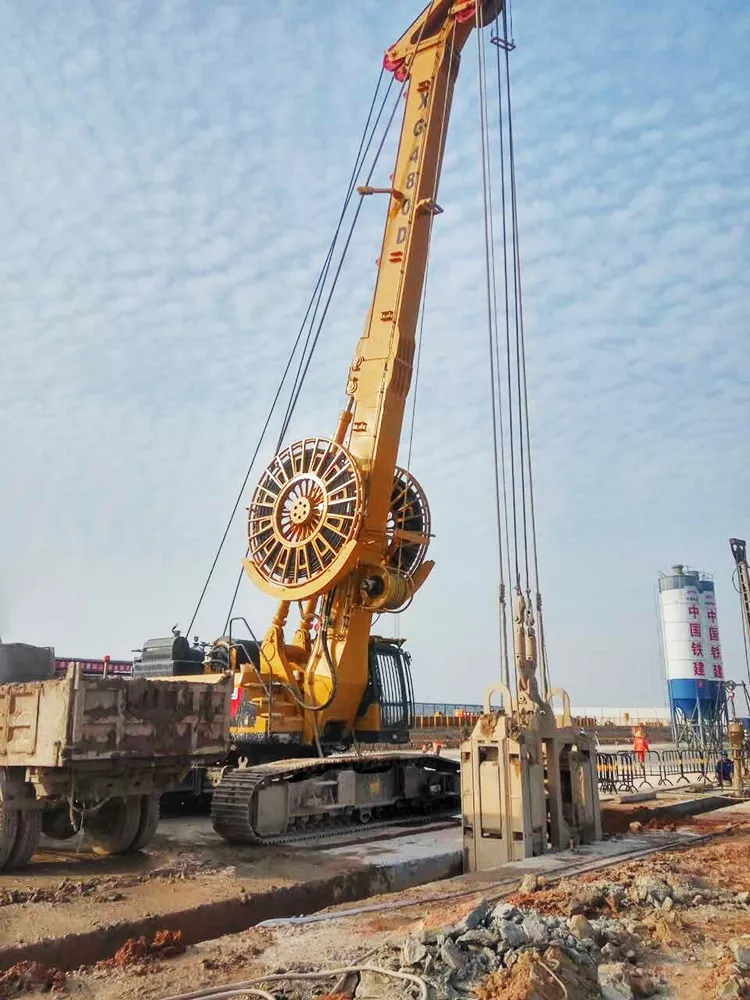
The hydraulic grab is the main digging tool. It hangs from a crawler crane. Jaws open and close with hydraulic cylinders. The grab bites into soil and pulls it up.
Modern grabs have guide systems. Sensors keep the trench vertical. This matters because tilted walls don’t connect well. Gaps cause leaks and weak points.
Grabs come in different widths. Match the grab width to the wall design. Common widths are 24, 32, and 40 inches. Depth capacity ranges from 100 to 200 feet.
Hard soil needs special grabs. Rock wheels or chisels break up boulders and dense layers. Then the grab removes the broken pieces.
Key Considerations
Soil Conditions
Soft clay is easy to dig but needs careful slurry control. Sandy soil needs thicker slurry to prevent collapse. Rock layers slow progress and wear tools.
Groundwater Level
High groundwater makes work harder. The slurry must balance water pressure. Pumps keep the trench dry during concrete placement.
Adjacent Structures
City work happens near buildings and utilities. Vibration and settlement must stay low. Diaphragm walls cause less vibration than pile driving. But monitoring is still needed.
Concrete Quality
Tremie concrete needs special mix design. It must flow through pipes without separating. It must also resist water pressure during curing.
A Few Points
Diaphragm walls cost more than sheet piles. But they last longer and work deeper.
The wall can be permanent structure. This saves money on temporary support.
Hydraulic grabs work faster than clamshells in soft soil. Clamshells still suit hard layers.
Bentonite slurry is reusable. Clean it and pump it back to the trench.
One More Thing
Diaphragm walls are invisible when finished. They sit underground, holding back earth and water. But without them, many modern structures could not exist. Deep basements, metro lines, and tall dams all depend on this technology.
Need diaphragm wall equipment? MachPlaza lists hydraulic grabs, crawler cranes, and support gear. Compare specs and prices from multiple sellers.
FAQs
1. How deep can a diaphragm wall go?
Most walls reach 50 to 100 feet. Special projects hit 150 feet or more. Equipment limits depth.
2. What’s the difference between a diaphragm wall and a secant pile wall?
Diaphragm walls use long trenches and concrete panels. Secant piles are drilled shafts that overlap. Diaphragm walls handle deeper and heavier loads.
3. How thick is a typical diaphragm wall?
20 inches to 5 feet. Most building projects use 24 to 36 inches. Dams may need thicker walls.
4. What does the hydraulic grab do?
It digs the trench. Jaws bite soil and lift it out. Sensors keep the trench straight.
5. Can diaphragm walls stop all groundwater?
They cut off most flow. But joints between panels may leak. Grouting fixes minor leaks.
6. How long does it take to build one wall panel?
One to three days per panel. Soil type, depth, and weather affect speed.
7. Are diaphragm walls noisy?
Less noisy than pile driving. The grab works with low vibration. This suits city work.
8. What slurry do they use?
Bentonite clay mixed with water. It coats trench walls and prevents collapse.
9. Can the wall carry building weight?
Yes. Reinforced diaphragm walls work as structural elements. They carry vertical and horizontal loads.
10. Where can I find diaphragm wall equipment?
MachPlaza lists hydraulic grabs, cranes, and accessories. Filter by brand, size, and price.
