
What Paving Width Does Your Road Project Really Need?

Industry News

2026/06/24
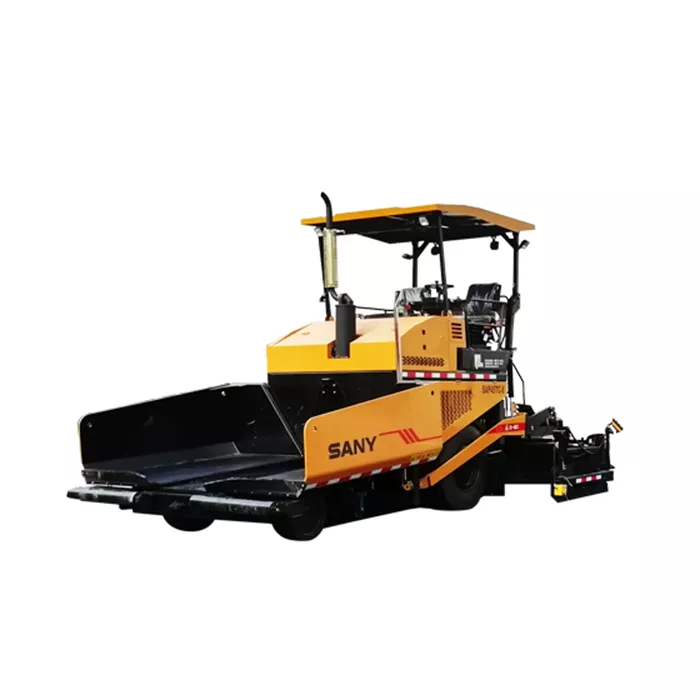 Choosing a paver is not only a matter of machine size. For many road contractors, the real question is whether the paving width matches the jobsite, the road type, the asphalt supply, and the daily production target. A paver that is too narrow may create too many joints and slow the crew down. A paver that is too wide may bring higher transport cost, harder site control, and more pressure on truck supply.
For road projects, paving width affects output, surface quality, crew planning, and long-term cost. That is why a practical paver buying decision should start from the finished road width, not from the largest machine available.
Why Paving Width Matters in Road Construction
Paving width is one of the first numbers buyers check when comparing a road paver. It tells how wide the machine can place asphalt or concrete in one pass. But in real work, this number connects with many other details: screed setting, lane width, road shoulder design, truck feeding speed, roller matching, and working space.
It Controls How Many Passes the Crew Needs
A pass means one run of the paver across a set width. If a 7-meter road is paved with a small asphalt paver, the crew may need two or more passes. That can work, but it creates longitudinal joints. These joints need careful rolling and temperature control.
For a municipal road, one or two passes may be acceptable. For a highway or airport runway, fewer joints are usually better. A wider paver can reduce the number of passes, but only when the site has enough space and the material supply can keep moving without long stops.
It Affects Surface Smoothness
A smooth asphalt surface is not created by chance. It is the result of hard work by everyone involved. The paver must move at a constant speed, the hopper must be filled all the time and the screed must remain in perfect balance. A too wide paving width is often problematic for the paving crew, as it can be difficult to maintain an even surface. Conversely, a too narrow paving width can result in too many joints, some of which can be vulnerable to damage if not managed properly by the paving crew.
A correct paving width ensures that the asphalt paver can produce a stable mat. On long straight road surfaces which are easy to inspect after rolling, the surface quality is particularly important.
It Changes Ownership Cost
Larger pavers usually need more transport planning, more experienced operators, and higher maintenance attention. Smaller pavers are easier to move and better for narrow worksites, but they may take more time on large jobs. The best paver machine is not the biggest one. It is the one that earns money on the projects the buyer actually handles.
Common Paver Width Ranges and Where They Fit
Road projects vary a lot. A machine used for a village road repair is not the same choice as one used for an expressway. The table below gives a practical starting point for paver width selection.
| Project type | Suggested paving width | Suitable paver type | Main reason |
| Urban repair, trench work, small lanes | Below 5 m | Small paver or compact asphalt paver | Easier movement in tight space |
| Rural roads and county roads | 4.5–6 m | Small to medium road paver | Good balance of cost and output |
| Municipal roads and industrial parks | 6–10 m | Medium asphalt paving machine | Fits standard road lanes and steady jobs |
| Highway construction | Above 10 m | Large road construction paver | Fewer joints and higher daily output |
| Airport runways and large paved areas | 12 m or wider | Wide paving machine | Better for continuous wide-area paving |
This table is not a fixed rule. It is a buying guide. The final choice still depends on finished road width, layer thickness, site shape, transport limit, and the available support equipment.
Below 5m Pavers for Urban Repair and Narrow Roads
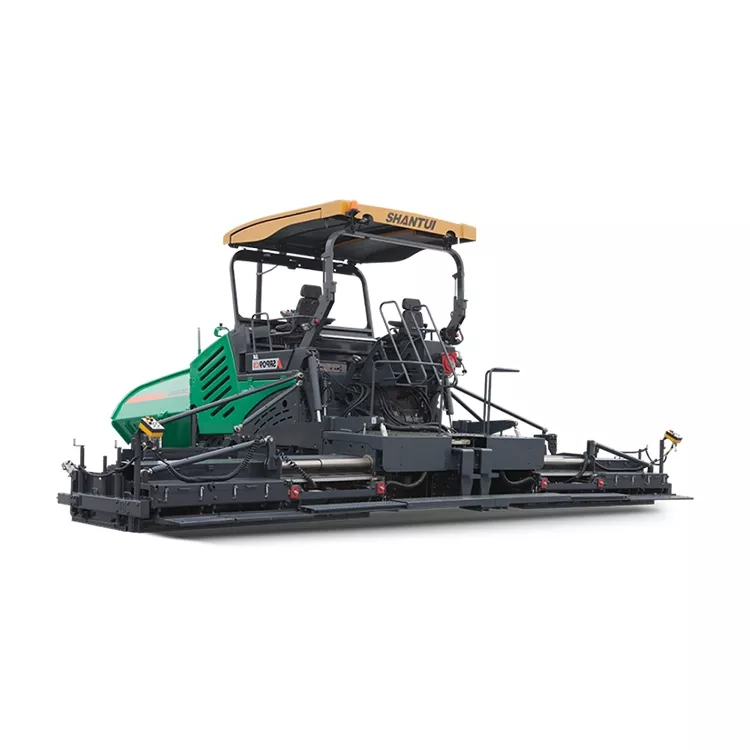
Small pavers are often the most practical choice for city repair work. They are useful where the road is narrow, traffic is still nearby, and the machine needs to work around curbs, manholes, parked vehicles, or trench edges.
Where Small Pavers Make Sense
Below 5m pavers are suitable for:
- Trench reinstatement after utility work
- Narrow urban lanes
- Side roads and access roads
- Small parking areas
- Rural road repair
- Asphalt patching near curbs or road edges
In these jobs, large paving width is not the priority. The crew needs a machine that can enter the site, turn without trouble, and place asphalt cleanly in a limited area. A small paver for urban roads can also reduce handwork, which often improves the final surface compared with manual spreading.
What Buyers Should Check
For a compact paver, check minimum paving width as well as maximum pave width. Some jobs need a very narrow working range. Also check hopper size, screed heating, operator visibility, and whether the machine can work close to obstacles.
A small asphalt paver should not be judged only by its width. For repair jobs, stable feeding and easy control often matter more than top output.
5–10m Pavers for Municipal Roads and Standard Projects
The 5–10m range is often the most useful choice for contractors who handle mixed road projects. It gives better output than a small paver but is still easier to move and manage than a very large machine.
Why This Range Fits Many Contractors
Municipal road paver work often includes city main roads, industrial park roads, logistics center roads, bus lanes, and large parking surfaces. These sites need good productivity, but the road width may change from section to section. A medium paver can handle many of these jobs without forcing the buyer into oversized equipment.
For contractors who do not work on highways every month, a 6–10m paver may bring a better return. It can cover regular road jobs, larger repair works, and medium-scale asphalt projects. It also fits buyers who need one road paver for different contracts.
How to Decide Within This Range
A 6m paver may suit county roads and smaller municipal roads. An 8m or 9m paver can fit wider city roads and industrial areas. A 10m machine starts to move closer to larger project work.
The buyer should compare:
- Finished lane and road width
- Expected tons of asphalt per hour
- Number of rollers on site
- Truck cycle time from the mixing plant
- Transport limits between jobs
- Skill level of the paving crew
If the road width changes often, an extending screed paver can be useful. If the project has long, steady sections, a fixed-width screed can give strong stability.
Above 10m Pavers for Highways and Large Surfaces
Large pavers are made for heavy road construction. They are common on highways, expressways, airport runways, large industrial yards, port roads, and other wide-area paving jobs.
When a Large Paver Is Worth It
A large paver for highway paving is useful when the project has long working sections and a steady asphalt supply. The main benefit is fewer passes. Fewer passes can mean fewer joints, faster progress, and a more uniform road surface.
This is valuable on high-speed roads, where uneven joints and poor smoothness can affect driving comfort and maintenance costs. Large paving width also helps when the project schedule is tight and daily output matters.
Why Support Equipment Matters
A wide paving machine cannot work well alone. It needs enough asphalt trucks, a mixing plant with stable supply, and rollers that can keep up with the mat before the temperature drops. If trucks arrive late, the paver may stop too often. Each stop can leave marks on the mat.
Before buying an above 10m paver, buyers should check whether their project team can support the machine every day, not just whether the machine can reach the required maximum pave width.
Paver Screed Width and Extension Choice
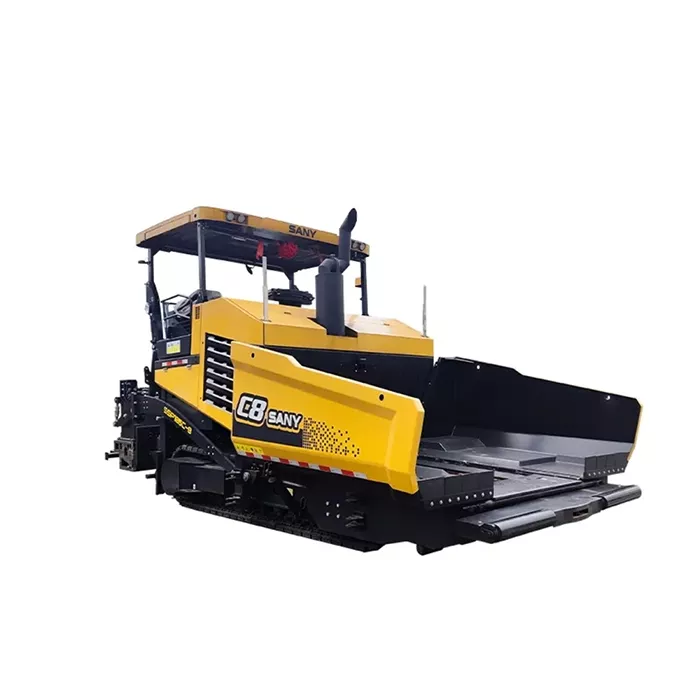
Paver screed width is the working heart of the machine. It shapes the mat, controls the basic width, and affects surface finish. Many buyers focus on engine power first, but screed design deserves close attention.
Fixed Screed or Extending Screed?
A fixed screed paver is suitable for long, repeated road widths. It gives stable performance and is often preferred in larger, continuous work. An extending screed paver is better when the job includes changing widths, side lanes, intersections, or urban sections with many shape changes.
Both options can work well. The right choice depends on road shape and crew needs.
Maximum Pave Width Is Not the Whole Story
Maximum pave width shows the widest capacity. It does not mean the machine should always work at that width. Buyers should also check basic screed width, extension method, heating system, vibration setting, and whether additional extensions are needed.
A paver working near its upper width limit for long hours may need stronger feeding ability and careful screed setup. This is why width, engine power, material feeding, and screed structure should be read together.
How to Choose Paver Width Before Buying?
The best way to choose a paver by paving width is to start from the job, then work back to the machine. This avoids buying based on catalog numbers alone.
Start With Finished Road Width
Check the real paving area, not just the road name. A “two-lane road” can have different widths in different countries or project standards. Shoulders, bike lanes, bus stops, intersections, and widening sections can also change the required working width.
For example, a contractor working mainly on 6–8m municipal roads may not need a 12m machine. A company bidding for highway sections may find a 6m paver too slow and too joint-heavy.
Count the Number of Passes
Ask how many passes are acceptable for the road type. If two passes create too many joints, a wider paver may be needed. If the site is narrow and broken into short sections, a smaller paver can be more useful.
Match the Paver With Trucks and Rollers
Paving is a team process. A road construction paver needs a supply chain behind it. Trucks must keep asphalt moving. Rollers must compact the mat at the right time. If the paver is much wider than the rest of the equipment can support, real productivity will fall.
Think About Future Projects
A contractor should not purchase an asphalt paver for a single contract unless that contract is large enough to utilize the paver. For future work on city streets, rural roads and industrial parks, a contractor would be better off purchasing a medium size paver. If however the contractor is bidding on highways then a wider paver would be a better long term investment.
Common Buying Mistakes With Paving Width
Many costly choices come from simple misunderstandings. Paving width looks easy on paper, but the jobsite often tells a different story.
Choosing the Widest Machine Too Early
A wide paver looks attractive because it promises high output. But if most jobs are narrow municipal roads, the buyer may pay for capacity that rarely gets used. Transport may also become more difficult.
Ignoring Minimum Working Width
Some buyers only compare maximum pave width. For urban repair, the minimum paving width can be just as important. A machine that cannot work narrow enough may force more manual work.
Forgetting Road Shape
Straight roads are easier. Intersections, curves, ramps, bus stops, and widening areas are harder. If the road shape changes often, flexibility can be more useful than maximum width.
MachPlaza as a Paver Supplier
MachPlaza supports buyers looking for Chinese construction machinery, including pavers, road machinery, complete machines, and spare parts. For contractors and equipment buyers, the value is not only product access. It is also the ability to compare machine categories, check key parameters, and match the equipment choice with real project needs.
As a paver supplier, MachPlaza offers a broad road machinery selection covering different paving width ranges, from compact machines for narrow jobs to wide pavers for large road projects. Buyers can compare rated power, maximum pave width, machine type, and application direction before sending an inquiry. This is useful for overseas buyers who need a clearer shortlist before discussing price, delivery, parts, or after-sales support.
MachPlaza also works with buyers who need more than a single machine. Road work often requires pavers, rollers, graders, loaders, spare parts, and jobsite support. A supplier with wider construction machinery coverage can help buyers think through the whole equipment plan instead of treating the paver as an isolated purchase.
Conclusion
Paving width should be one of the first points in any paver buying decision. Below 5m pavers are better for urban repair, trench work, and narrow roads. The 5–10m range fits many municipal, rural, and industrial road projects. Above 10m pavers are more suitable for highways, runways, and large paved surfaces where fewer joints and higher daily output matter.
The right asphalt paver is the one that matches the road width, project size, asphalt supply, roller capacity, transport limits, and future work plan. Bigger is not always better. A well-matched road paver gives cleaner paving, steadier progress, and better cost control across the whole project.
FAQs
1. What paving width is best for municipal road construction?
Many municipal road projects fit the 5–10m paving width range. This range works well for city main roads, industrial park roads, and large parking areas. The final choice should still depend on finished road width, traffic limits, and whether the road has many intersections or width changes.
2. Is a wider paver always better?
No. A wider paver can reduce joints and raise output on large projects, but it also needs stronger material supply, more rollers, skilled operators, and wider working space. For urban repair or narrow roads, a smaller paver may be more practical.
3. How do I choose between a small paver and a large paver?
Start with the road type. Small pavers fit trench work, side roads, city repair, and narrow rural roads. Large pavers fit highways, airport runways, and long continuous sections. Also compare truck supply, transport cost, crew skill, and expected daily output.
4. What is the difference between maximum pave width and paver screed width?
Maximum pave width is the widest range the paver can reach with its screed and extensions. Paver screed width refers to the working width of the screed itself, including fixed or extending sections. Buyers should check both numbers before choosing a paver machine.
5. What paver width is suitable for highway construction?
Highway construction usually calls for a large asphalt paver, often above 10m, especially when the project needs fewer longitudinal joints and higher daily output. The machine should be matched with enough asphalt trucks, rollers, and steady site planning.
