
Reefer Truck Buying Guide for Cold Chain Delivery

Industry News

2026/05/15

A refrigerated cargo truck is more than a basic truck with a cool box. For food sellers, fish providers, frozen item dealers, flower shippers, and drug transport firms, it forms a key piece of the cold chain. A poor pick can spoil goods, cause rejected shipments, boost fuel costs, or lead to ongoing fix expenses.
A solid reefer truck holds heat-sensitive items in the proper range from pickup spot to end drop-off. It also suits the path, load weight, packing ways, road types, and daily run plan. A truck for urban food runs may require simple entry and quick unload. Meanwhile, one for area-wide cold chain tasks may call for a bigger sealed box, tougher cooling gear, and stronger long-haul dependability.
This guide for buying refrigerated cargo trucks covers what shoppers need to review before selecting a reefer truck for cold chain shipment.
What Is a Refrigerated Cargo Truck?
Before checking costs or truck sizes, it pays to grasp what sets a refrigerated cargo truck apart from a regular cargo truck.
A refrigerated cargo truck, known as a reefer truck, is a temp-managed truck made to haul items that must remain cool, iced, or in a tight temp band. It blends a work truck base, a sealed cargo box, a cooling unit, tight back doors, and temp-watch tools.
How a Reefer Truck Works
The cooling unit pulls heat from the cargo area. It holds the box at the chosen temp. The sealed box cuts heat flow from outer air. Door seals aid in trapping cool air inside while on the move.
The cooling setup aims to keep temp steady. Do not use it as a quick chiller for hot items. In routine cold chain runs, pre-chill cargo before packing. Also, cool the reefer truck before opening doors for load. This holds true for iced meat, fish, milk items, ice cream, and drug goods.
Refrigerated Truck vs Ordinary Cargo Truck
A regular cargo truck fits dry items, boxes, tools, build supplies, and lasting goods. A refrigerated truck suits loads that drop in worth when hit by warmth.
The main gaps are:
- A refrigerated truck has an insulated cargo box.
- A reefer truck carries a refrigeration unit.
- The doors and walls are designed to reduce heat exchange.
- Temperature records may be needed for food or medical cargo.
- Loading and unloading must be handled with more care.
For shoppers hauling perishable stuff daily, these gaps impact item quality, shipment okay, and ongoing run costs.
What Goods Need a Reefer Truck?
Cold chain shipment serves more fields than fresh buyers think. It goes beyond iced food. Various items demand varied truck setups, box styles, and packing steps.
| Cargo Type | Typical Delivery Need | Key Truck Focus |
| Fresh vegetables and fruit | Stable cooling and airflow | Clean box, gentle loading, steady temperature |
| Meat and seafood | Chilled or frozen transport | Strong cooling, sealed doors, easy-clean floor |
| Dairy and beverages | Stable cold environment | Consistent refrigeration and hygienic cargo space |
| Frozen goods | Low-temperature delivery | Freezer truck capacity and good insulation |
| Pharmaceuticals | Narrow temperature control | Monitoring, records, and route reliability |
| Flowers | Cool and gentle transport | Airflow, humidity awareness, careful stacking |
A refrigerated truck for food runs often deals with varied paths. Take a seller who hauls iced chicken in the morning. Then, they move cool drinks in the afternoon. Later, they deliver new veggies for night store drops. Here, a single-temp truck might fall short if load kinds shift a lot. Shoppers ought to pin down the chief load first.
For drug shipment, the focus goes beyond cooling strength. Temp steadiness, clean work, and logs count higher. Paths may run shorter. Yet, shipment rules tend to stand firmer.
Key Factors When Choosing a Refrigerated Cargo Truck
Pick a refrigerated cargo truck based on the task. Do not focus only on the cheapest cost. The best fit ties to load kind, path length, pack amount, road states, and post-buy aid.
Required Temperature Range
Temp range stands as the top point to lock in.
Iced items often require temps under -18°C. Cooled food usually travels near 0°C to 5°C. New crops may call for a broader band by item. Many drug goods need managed haul near 2°C to 8°C.
A shopper hauling iced fish should skip the same cooling plan as one shipping new blooms. A freezer truck demands firmer cooling power and solid sealing. A refrigerated delivery truck for new veggies might stress airflow and dodging chill harm.
Before seeking a price, draft a short list:
- Product type
- Required temperature range
- Loading temperature
- Delivery time
- Number of door openings per route
- Outdoor climate in the operating area
This hands the refrigerated truck seller key facts to suggest a workable setup.
Refrigeration Unit Capacity
The cooling unit ranks high among reefer truck parts. A soft unit might falter in warm weather, paths with many door opens, or far-haul runs. An over-big unit could hike buy cost and fuel draw without true gain.
For urban runs, the truck halts often in a shift. Each halt lets warm air into the box. For area runs, it covers longer stretches with less halt. So, steady cooling and fuel save gain weight.
A fair cooling unit fits the box scale, load temp, path span, and area weather.
Insulated Cargo Box and Sealing
The sealed cargo box is the piece many shoppers spot late. Weak sealing forces the cooling unit to push harder. That raises fuel draw, cuts gear life, and sparks temp shifts.
A trusty refrigerated box truck needs solid sealing stuff, firm wall build, snug door fits, and a floor that matches the load. Meat and fish runners often seek simple clean and drain. New food sellers may value airflow and box plan more. Iced goods shoppers should eye wall depth and seal worth closely.
Firm sealing matters most in hot zones, dry lands, and spots where trucks open doors often each day.
Payload, Cargo Volume, and Route Type
A bigger box does not always win. If the truck runs too large for daily pack, the shopper pays for added fuel, room, and upkeep. If too small, overpack tempts. And overpack harms brakes, tires, cooling work, and driver safety.
A 4×2 refrigerated truck often serves as a sound pick for urban and area cold chain runs. It can aid stores, food spots, eateries, bake shops, fish stores, and local sellers. Bigger drive kinds may fit heavier loads, longer paths, or tougher roads.
The shopper should weigh these before picking:
| Selection Point | Why It Matters |
| Payload | Prevents overloading and keeps operation safer |
| Cargo volume | Matches cartons, pallets, crates, or hanging meat |
| Drive type | Affects road performance and fuel use |
| Route distance | Changes cooling and fuel requirements |
| Door-opening frequency | Affects temperature stability |
| Road condition | Influences chassis, suspension, and tire choice |
Best Uses for a 4×2 Refrigerated Truck
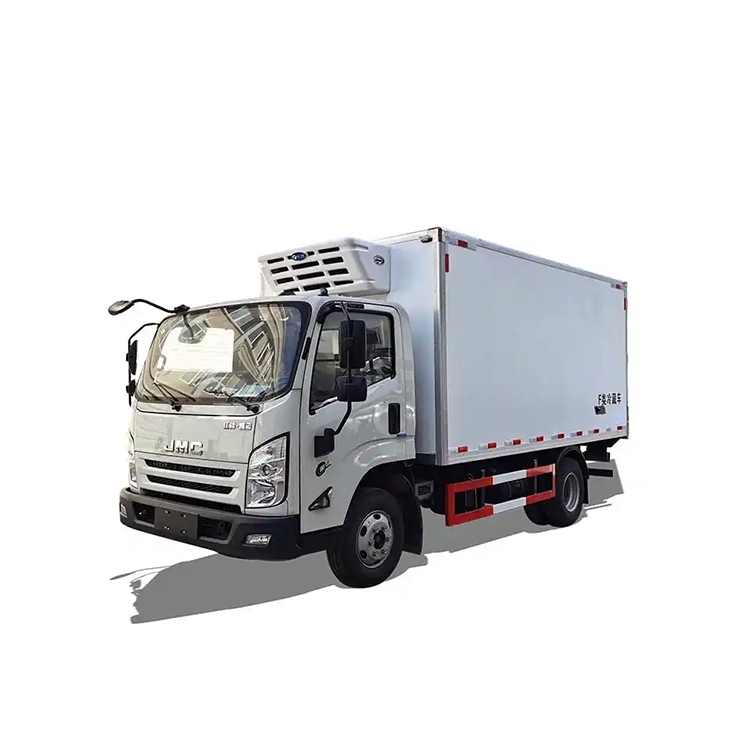
A 4×2 refrigerated truck sees broad use for brief and mid-length cold chain runs. It lacks the biggest size. But it can prove the most useful for many shoppers.
In urban food spread, trucks shift between stores, wet spots, big stores, eateries, and small shops. Drivers must park near pack areas, turn on slim streets, and hit many halts in one day. A 4×2 reefer truck for urban runs can offer a fair mix of pack room, turn ease, buy cost, and daily fuel draw.
For area runs, this truck kind can haul cooled and iced goods from cold holds to near towns or trade buyers. It aids runners who seek a refrigerated box truck but skip heavy rigs for each path.
Usual 4×2 refrigerated truck tasks cover:
- Frozen meat delivery from cold storage to food markets
- Seafood delivery from port areas to wholesalers
- Dairy and beverage transport to retail stores
- Fresh produce delivery to supermarkets
- Bakery and catering supply distribution
- Pharmaceutical delivery between warehouses and clinics
The top match rests on load blend, pack weight, and temp band.
Cold Chain Operation Checklist Before Loading
Even a well-made refrigerated cargo truck can underperform if packing goes wrong. Cold chain shipment relies on both the truck and the task flow.
A useful pre-pack routine should hold:
- Pre-cool the reefer truck before loading.
- Check that cargo is already at the correct temperature.
- Inspect door seals, hinges, and box walls.
- Make sure the refrigeration unit starts and cools normally.
- Avoid blocking the air outlet or return airflow.
- Keep loading time short.
- Close doors quickly after each stop.
- Record temperature during delivery when required.
Door opens rank as a top cause of temp climb. On an urban path with 15 to 25 halts, brief waits build up. Train drivers to map unload order pre-open. Do not hide first-stop cargo behind last-stop loads.
For iced goods, warm air sparks edge melt and re-ice. For new crops, weak airflow leads to uneven chill. For drugs, a brief temp slip can prompt shipment no-go.
Refrigerated Cargo Truck Price Factors
Reefer truck costs can swing far. The end setup drives this. Shoppers eyeing just buy price may miss true run costs.
Chief cost drivers cover base size, drive kind, sealed box scale, cooling unit size, temp band, fuel hold pick, tires, gear shift, custom work, ship, and post-buy aid.
A cheap truck may draw at start. But if box sealing lacks, cooling unit runs small, or parts prove hard to get, costs climb later. In cold chain logistics, stop time hits hard. Loads often hold short hold times.
A smarter way is to seek price by task:
What cargo will be transported?
What temperature range is needed?
How many kilometers will the truck run each day?
How many stops will the driver make?
Will the route include rough roads, hot weather, or long idle time?
Sharp replies yield a spot-on refrigerated truck pick.
How to Choose a Refrigerated Truck Supplier
A steady refrigerated truck seller should offer more than a cost list. They ought to aid in pairing the truck to load, path, weather, and run ways.
For buyers abroad, seller aid can match the truck’s worth. Ship papers, haul team-up, tech files, run guides, parts, and post-buy tips all shape the buy path.
Solid questions to pose cover:
- Can the supplier recommend the right drive type and cargo box size?
- Can the truck be configured for chilled or frozen goods?
- Are technical specifications and operation manuals available?
- Can spare parts be supplied after delivery?
- Is video guidance available for troubleshooting and maintenance?
- Can shipping details and dispatch timing be discussed before order confirmation?
A shopper eyeing long-run cold chain shipment should pick a seller who backs the first buy and later group growth.
MachPlaza as a Refrigerated Cargo Truck Supplier
MachPlaza offers work vehicles and gear for global shoppers. This includes refrigerated cargo truck picks for cold chain runs. Its lineup spans light cargo trucks and more work vehicle kinds. Buyers can weigh varied drive types, load levels, and body builds for haul tasks.
As a refrigerated truck seller, MachPlaza stresses full vehicle supply, setup aid, parts reach, ship team-up, and post-buy help. Shoppers can talk delivery schemes, tech specs, run papers, upkeep tips, and custom wants pre-order.
This aids food spreaders, cold hold firms, area logistics groups, and gear traders who seek beyond a plain truck list. A shopper can pair the refrigerated cargo truck to load kind, path length, temp band, and local road states. Then, they request a setup-based price.
Conclusion
Picking a refrigerated cargo truck begins with the load. It does not start with the truck. Iced fish, cooled milk items, new veggies, blooms, and drugs all set varied calls on temp hold, sealing, airflow, load weight, and shipment pace.
A useful reefer truck fits the needed temp band, box scale, cooling unit, drive kind, path length, and post-buy aid scheme. For many urban and area cold chain tasks, a 4×2 refrigerated truck brings a firm mix of room, entry, and run cost.
The right pick guards load worth, holds buyer joy, and aids truck output over years.
FAQs
What is the difference between a refrigerated cargo truck and a reefer truck?
A refrigerated cargo truck and a reefer truck often point to the same vehicle kind. Both mean a temp-held truck with a sealed cargo box and cooling unit for cold chain runs.
What temperature should a reefer truck maintain?
The fit reefer truck temp band hinges on the load. Iced goods often need under -18°C. Cooled food usually goes near 0°C to 5°C. Some drug goods may call for managed haul near 2°C to 8°C.
Is a 4×2 refrigerated truck good for city delivery?
Yes. A 4×2 refrigerated truck often fits urban food runs, store supply, eatery spread, and area cold chain haul. It serves well when the shopper seeks fair room without shifting to a heavier rig.
What goods can be transported in a refrigerated truck?
A refrigerated truck can haul iced food, new meat, fish, milk items, veggies, fruit, blooms, drinks, and some drug goods. The truck setup must match the load temp need.
How do I choose a refrigerated truck supplier?
Pick a refrigerated truck seller who gives setup tips, tech specs, ship aid, parts, run help, and post-buy service. A solid seller aids in pairing the truck to load kind, path length, weather, and shipment wants.
