
How Telehandlers Deliver Efficient Lifting Solutions for Every Need

Industry News

2026/04/17
Construction sites need to lift materials to different heights every day. A telehandler makes this easy. It reaches high places, lifts heavy loads, and moves materials across the site. This machine goes by two names. People call it a telehandler or a telescopic handler. Both refer to the same equipment. The boom extends forward and upward like a telescope. That is where the name comes from.
What Sets Telehandlers Apart
Impressive Reach
Telehandlers lift materials up to 20 meters high. The boom extends far beyond the machine body. Operators can place loads on elevated platforms without extra equipment. This reach saves time and reduces crane usage on many job sites.
Heavy Lifting Capacity
These machines handle 2 to 5 tons per lift. Some heavy-duty models reach 8 tons. The telescopic boom provides stability during lifts. Load charts help operators know safe capacity at each reach distance.
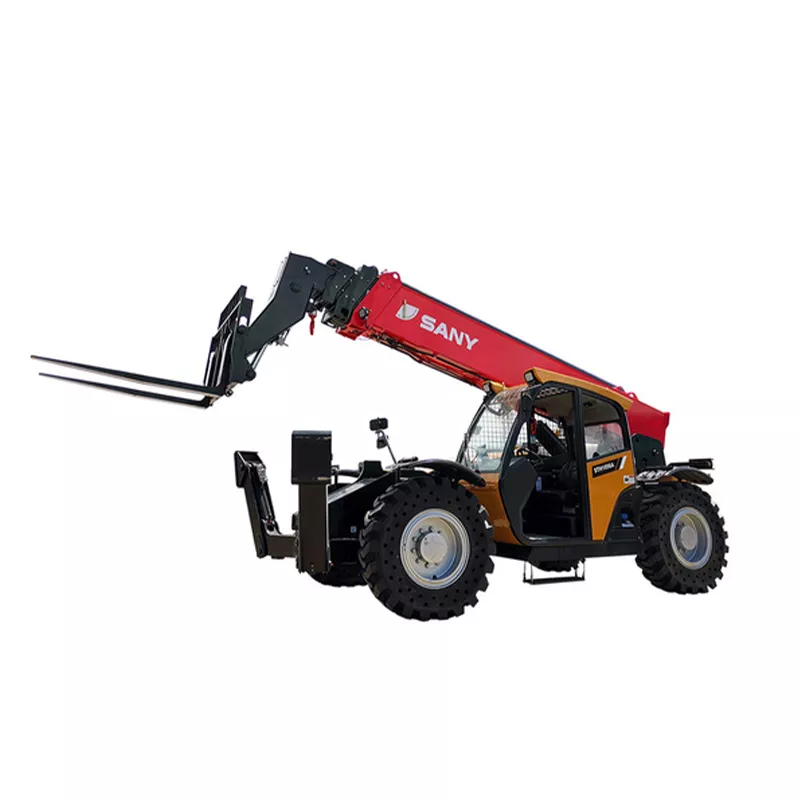
Multiple Attachments
One telehandler does many jobs. Fork attachments move pallets. Bucket attachments handle gravel and dirt. Crane hooks lift steel beams. Grapples handle logs and debris. The quick-attach system changes tools in minutes.
Rough Terrain Capability
Four-wheel drive models work in mud, sand, and uneven ground. Large tires provide traction. High ground clearance lets these machines cross obstacles easily. Construction sites and warehouses both benefit from this mobility.
Key Specs to Know
Lift Height
Standard models reach 8 to 14 meters. High-reach versions go up to 20 meters. Higher lifts need more boom length. Consider your tallest stacking or loading needs when choosing.
Lift Capacity
Rated capacity ranges from 2,500 to 5,000 kilograms. Capacity decreases as reach extends. Always check the load chart for specific boom positions. Overloading causes accidents.
Engine Type
Diesel engines provide the most power for heavy loads. Some models offer electric options for indoor use. Tier 4 final engines meet current emission standards. Consider fuel efficiency and workplace restrictions.
Cab Design
Enclosed cabs protect operators from weather and debris. Good visibility matters for safety. Look for spacious interiors and easy control access. Air suspension seats reduce operator fatigue during long shifts.
Common Applications
Construction Sites
Telehandlers stack materials on scaffolding, load trucks, and lift steel framework. They replace cranes for many medium-height tasks. The ability to travel with a load increases productivity.
Agricultural Work
Farmers use telehandlers for hay bale handling, grain bag stacking, and equipment moving. The versatility helps with seasonal demands. Attachments switch between feeding livestock and maintaining facilities.
Warehouses
Indoor models handle pallet movement and high-shelf stacking. Electric versions operate quietly in enclosed spaces. Quick-attach forks adapt to different pallet sizes.
Mining Operations
Heavy-duty telehandlers load rock, move equipment, and handle ore bags. Their rugged design handles harsh environments. High lift capacities support mine maintenance needs.
Maintenance Guidelines
Daily checks include fluid levels and tire condition. Weekly inspections cover hydraulic hoses and boom cables. Monthly maintenance includes filter changes and lubrication points. Regular servicing prevents costly breakdowns and extends machine life.
Why Choose MachPlaza
MachPlaza connects buyers with trusted telehandler suppliers worldwide. They verify sellers and ensure quality machines. Competitive pricing and comprehensive after-sales support make purchasing easy. Find your perfect telehandler through MachPlaza today.
Conclusion
Telehandlers deliver versatile lifting solutions across many industries. Their reach, capacity, and attachment options make them valuable assets. Investing in the right telehandler boosts productivity and reduces equipment costs.
FAQs
Q1: What is the difference between a telehandler and a forklift?
Telehandlers have telescopic booms that reach higher and farther. Forklifts lift loads vertically. Telehandlers combine lifting with extended reach.
Q2: How high can a standard telehandler lift?
Most standard models lift 8 to 14 meters. High-reach versions reach up to 20 meters for specialized applications.
Q3: What attachments work with telehandlers?
Common attachments include pallet forks, buckets, crane hooks, grapples, and platform lifts. Quick-attach systems make changes fast.
Q4: How much can a telehandler lift?
Capacities range from 2,500 to 5,000 kilograms. Heavy-duty models reach 8 tons. Capacity decreases at maximum reach.
Q5: Are telehandlers good for rough terrain?
Yes. Four-wheel drive models handle mud, sand, and uneven ground. Large tires and high clearance provide excellent mobility.
Q6: What brands does MachPlaza offer?
MachPlaza partners with leading manufacturers like XCMG, SANY, ZOOMLION, FMAN,and others. They provide new and used options.
Q7: How long do telehandlers last?
With proper maintenance, telehandlers operate reliably for 10,000+ hours. Regular service extends operational life significantly.
Q8: Can telehandlers be used indoors?
Yes. Electric telehandlers work well in warehouses and enclosed spaces. They operate quietly without exhaust emissions.
