
How Does An Asphalt Paver Ensure Paving Smoothness?

Industry News

2026/05/29
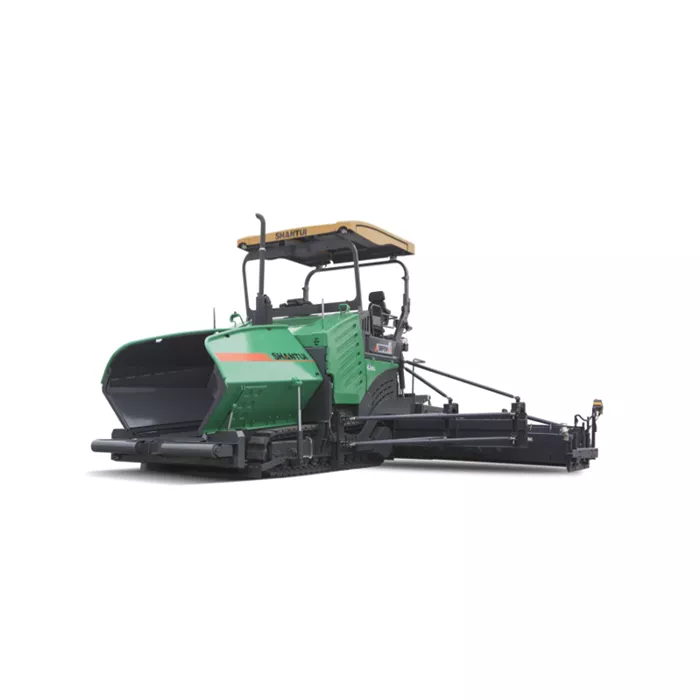 A bumpy road costs more than comfort. It wears tires, burns extra fuel, and cracks sooner. The asphalt paver is the machine that lays the mat. If it runs right, the surface stays flat for years. If it runs wrong, crews rip it up and start over. This guide explains how an asphalt paving machine keeps the surface smooth and what parts matter most.
What An Asphalt Paver Does
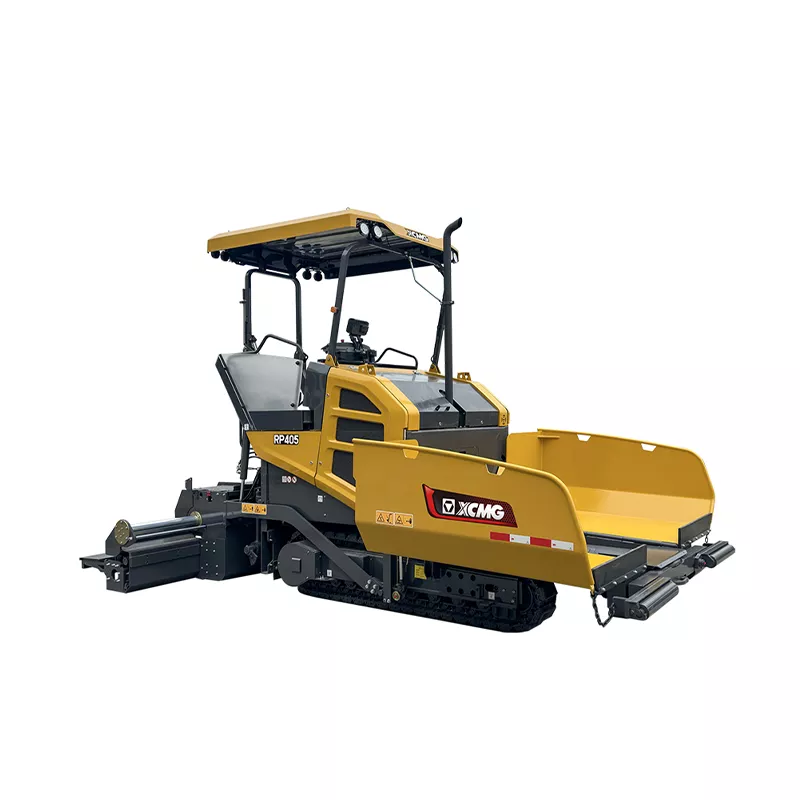
An asphalt paver takes hot mix from a dump truck and spreads it across the road. The material drops into a hopper at the front. A conveyor moves it to the back. Augers spread it side to side. Then the screed levels and compacts it to the right thickness. All of this happens while the machine moves forward.
The screed is the heart of smoothness. It floats on the asphalt and sets the final grade. Screeds come in fixed or extendable widths. They heat up so the mix does not stick. They also vibrate or tamper to give the mat its first bit of density.
Key Systems That Control Smoothness
1. The Screed And Its Settings
The screed angle controls thickness. If the nose tilts up, the mat gets thinner. If it tilts down, the mat gets thicker. Operators set this angle before the pass and adjust it based on what they see. Most modern pavers have sensors that keep the screed at a steady angle.
Screed heat matters too. A cold screed pulls mix and leaves streaks. A hot screed glides over the surface. Electric or gas heaters warm the plate before work starts. Some crews check temperature with an infrared gun.
2. Material Flow And Auger Speed
The augers must keep a steady head of material in front of the screed. Too little and the screed drops, leaving a low spot. Too much and the screed rides up, leaving a high spot. Operators watch the pile and adjust conveyor speed to match paving speed.
Segregation kills smoothness. If coarse aggregate rolls to the side and fine mix stays in the middle, the surface gets weak spots. Proper auger speed and hopper management stop this. Crews also avoid letting the hopper run empty, which causes a break in the mat.
3. Paving Speed
Fast paving leaves a rough surface. Slow paving can over-compact the mix. Most crews aim for a steady speed between 10 and 30 feet per minute. The key is consistency. Jerky speed changes show up as waves in the mat.
The paver should never stop mid-pass. A stopped screed sinks into hot mix and leaves a dent. Crews coordinate truck swaps so the hopper never empties. Some pavers have surge bins that hold extra mix during truck changes.
4. Grade And Slope Controls
Modern pavers use sensors to follow a reference line or string. Sonic sensors read the grade. Slope sensors keep the cross-fall right. Some machines use 3D GPS or total station guidance. These systems cut out manual staking and keep tolerance within millimeters.
Automatic screed controls react faster than a human hand. If the grade rises, the screed lifts. If it drops, the screed lowers. This happens in real time, hundreds of times per second. The result is a surface that matches the design profile.
5. Truck Management
The dump truck must back into the paver without hitting it. A bump between truck and paver shakes the whole machine. That shake shows up in the mat. Experienced truck drivers match paver speed and make contact gently.
The truck bed should raise evenly. If it jerks, the mix drops in clumps. Crews use spotters to guide trucks. Some pavers have truck push rollers that keep contact smooth.
6. Base Preparation
A paver can only work with what is under it. If the base has dips, the mat follows them. Good grading and compaction before paving are key. Some crews use a material transfer vehicle to remix the load and fix segregation before it reaches the paver.
Paver Parts That Wear Out
Screed Plates
The bottom plate of the screed wears down over time. A worn plate drags mix and leaves marks. Most plates are bolt-on and easy to swap. Hard-facing or chromium plating extends life.
Augers And Flight Chains
Auger blades wear where they push material most. Worn blades do not spread evenly. Flight chains stretch and skip. Replacing these parts on schedule prevents mid-job failures.
Conveyor Belts
The hopper conveyor moves tons of hot mix per hour. Belts crack and fray from heat and abrasion. Keeping spare belts on the trailer saves downtime.
Sensors And Cables
Sonic grade sensors sit close to the ground. They get knocked by debris or run over. Cables fray from vibration. A backup sensor in the toolbox is cheap insurance.
How To Choose The Right Asphalt Paver
Size And Width
Small pavers run 6 to 8 feet wide. They fit bike paths and parking lots. Highway pavers spread 20 feet or more in one pass. Match the width to the job. Too narrow and you need extra passes. Too wide and you waste mix on small jobs.
Track Vs. Wheel Pavers
Track pavers grip soft base and climb grades better. They also stop and start smoother. Wheel pavers move faster between sites and cost less. Pick tracks for rough terrain. Pick wheels for urban work.
Screed Type
Fixed screeds are simple and cheap. Extendable screeds adjust to different widths without changing plates. Some highway pavers use front-mounted or rear-mounted extensions. Think about the range of jobs you do.
Technology Level
Basic pavers use manual controls. Mid-range units add grade and slope sensors. Top models use 3D paving, thermal profiling, and automatic truck management. More tech means higher upfront cost but less labor and better results.
Meet MachPlaza — Your Paver And Parts Partner
MachPlaza stocks new and used asphalt pavers from XCMG, Zoomlion, SANY, and other top brands. We also carry screed plates, augers, conveyor belts, and sensors. If you need a full machine or just a spare part, we ship fast.
Our team knows paving. We can match you to the right width, track type, and screed package. Need a 10-foot wheeled paver for city streets? We have it. Want a tracked highway unit with GPS grade control? We can source that too.
MachPlaza ships worldwide. We handle export docs, container loading, and inland transport. You keep the road smooth. We handle the logistics.
One More Thing
Smooth asphalt starts long before the paver moves. It starts with a good base, steady trucks, trained operators, and well-maintained paver parts. The machine does the work, but the crew makes it smooth. Invest in both and the road lasts.
FAQs
How thick should each asphalt lift be?
Most lifts run 2 to 4 inches. Thicker lifts need bigger pavers and more compaction. Thin lifts cool fast and need quick rolling.
What causes roller marks in fresh asphalt?
The roller may be too heavy, too slow, or started too late. It can also happen if the mat is too thin or too cold. Match roller size to lift thickness.
How often should screed plates be replaced?
Check them every 500 hours. Replace when the wear surface gets thin or starts dragging mix. Hard-facing can double plate life.
Can a paver fix a bumpy base?
No. A paver follows the base profile. If the base is rough, the mat will be rough too. Grade and compact the base first.
What is the best paving speed?
Steady is more important than fast. Most crews run 10 to 30 feet per minute. Never stop mid-pass if you can avoid it.
Do I need GPS on my paver?
For large jobs or tight tolerance, yes. GPS cuts staking cost and keeps grade within a few millimeters. For small lots, sonic sensors work fine.
What brands make the best asphalt pavers?
Caterpillar and Vogele are popular in Europe and North America. XCMG, SANY, and Zoomlion offer strong value and global support. MachPlaza stocks most of these brands.
