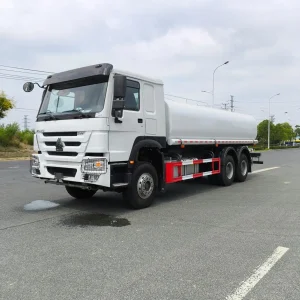
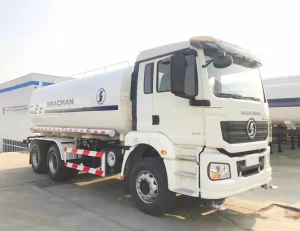
Dust suppression trucks work on mines and construction sites. They spray more water over a bigger area. Some add foam or chemicals to the water.
Greening trucks water parks, gardens, and roadside plants. They have gentle sprays that won’t hurt flowers. Some carry long hoses for hand watering.
Fire support trucks carry big cannons. They help real fire trucks by adding water volume. They can’t replace a fire engine. But they extend how long crews can fight a blaze.
Agricultural trucks work on farms. They spray crops, fill irrigation channels, and wash down equipment. Tanks are often smaller for field use.
If you need a sprinkler truck, think about these points:
Tank size
Bigger tanks mean fewer refill trips. But big tanks weigh more. Check your local road rules for max weight. A 10,000-liter tank is common for city work.
Pump flow rate
Flow rate is liters per minute. More flow means more nozzles or longer range. A rate of 1,000 L/min is good for most jobs. Big cannons need 2,000 L/min or more.
Spray width and reach
Check how wide the rear bar sprays. Check how far the cannon shoots. Match this to your roads or work areas.
Material quality
Stainless steel tanks last longer. They resist rust. Steel tanks are cheaper but need more care. Check the pump brand too. Good pumps from Japan or Germany cost more but break less.
Chassis brand
The truck base matters. Isuzu, Foton, Howo, and Dongfeng are common choices. Pick one with service near you. Parts and repairs are easier that way.
Need a sprinkler truck for your project? MachPlaza lists new and used water tank trucks from many brands. You can compare tank sizes, pump specs, and prices side by side. They work with sellers in China and beyond. This means better prices and more models to pick from.
MachPlaza helps with shipping and paperwork too. Whether you need one truck or ten, they can handle it. Browse listings online or ask for a direct quote.
A sprinkler truck looks simple from the outside. Inside, it’s a system of pumps, pipes, and valves working together. The right truck saves time, cuts dust, and keeps roads safe. Pick a size and spray setup that fits your job. Buy from a source that knows these machines. Then put it to work.
Q1: How far can a sprinkler truck spray?
Rear bars spray 8 to 14 meters wide. Top cannons reach 20 to 40 meters. Exact range depends on pump power and nozzle size.
Q2: Where does the water come from?
Trucks fill from fire hydrants, rivers, ponds, or built-in wells. Most have a suction pump that pulls water from any source.
Q3: Can it spray chemicals or foam?
Yes, if the tank and pump handle it. Some trucks have separate tanks for chemicals. Always check material compatibility first.
Q4: How long does a full tank last?
A 10,000-liter tank lasts 30 to 60 minutes of normal spraying. Heavy cannon use drains it faster.
Q5: What chassis brands are best?
Isuzu, Howo, Foton, and Dongfeng are popular. Pick one with local service. Parts matter more than brand name.
Q6: Do I need a special license?
Most countries let you drive a sprinkler truck with a standard heavy truck license. Very large tanks may need extra permits.
Q7: Can it work in winter?
Yes, but drain the system after use. Frozen water cracks pipes and pumps. Some trucks have heating systems for cold areas.
Q8: How much does one cost?
Small trucks start around $15,000. Large city models run $40,000 to $80,000. Used trucks cost 30% to 50% less.