
Heavy Equipment Rental and Leasing: How to Deploy Electric Wheel Loaders Without Large Capital Outlay

Industry News

2026/06/22
 Running a construction crew, quarry operation, or busy material handling yard these days means you’re always balancing thin margins, climbing fuel prices, and the push to run cleaner equipment. For plenty of contractors and fleet bosses, shelling out six figures or more for a brand-new wheel loader feels like a tough pill to swallow. This is especially true with electric models that come with a 30 to 45 percent higher sticker price than the old diesel ones. But here’s the bright side. You don’t have to buy it outright to get solid work out of one. Smart rental deals, leasing plans, and rent-to-own programs let you fire up a top-tier electric wheel loader quickly while keeping your cash ready for wages, materials, or the next big bid.
Why Electric Wheel Loaders Make Sense Right Now
Electric wheel loaders have come a long way. They’ve shifted from rare test projects to dependable machines you see on real job sites. These loaders give you instant power right off the line, much quieter running, and no exhaust fumes at all. That last part matters a lot for city work, indoor jobs, or any place with tough environmental rules.
On top of that, day-to-day costs often drop quite a bit. You skip diesel fuel, deal with fewer oil changes, and handle a simpler power system that needs less babysitting.
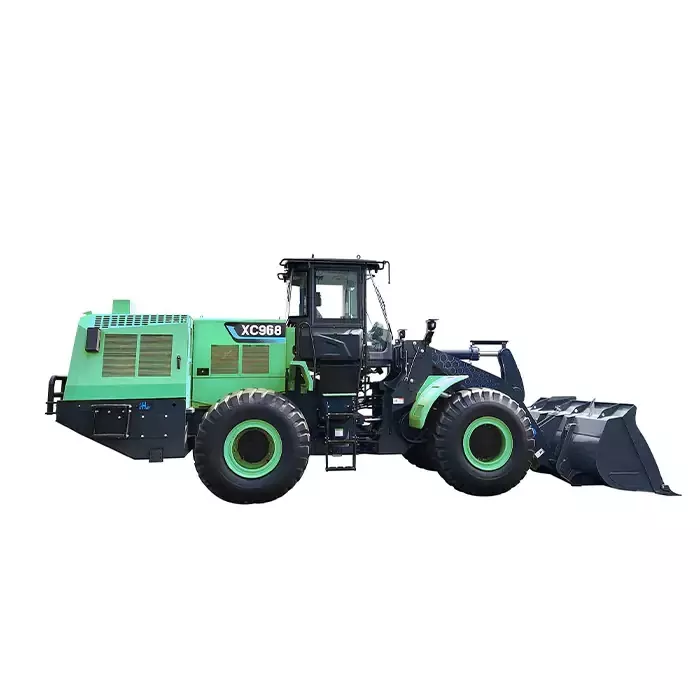
Consider something like the XC968-EV in the 6-ton range. It packs strong electric motors that send power exactly where you need it, along with smart battery packs. The machine tackles truck loading, pile work, and everyday dirt moving with plenty of muscle for the operator. Folks who’ve used them on site mention smooth handling and much lower costs per hour when you add up energy and repairs. Still, that bigger initial price makes a lot of business buyers look for better ways to bring one in instead of paying everything at once.
The Shift Toward Rental and Leasing in Heavy Equipment
Equipment rental keeps picking up steam across the industry, and it makes sense. Your cash flow stays steady and easy to plan around. You free up money that would otherwise sit in a big metal purchase. Plus, rental outfits usually take care of the heavy maintenance, so you worry less about surprise breakdowns. Best of all, you can try new technology like electric drive systems without signing your life away on a long-term commitment.
These days, many mid-size contractors and subs face the same crunch. Their projects call for up-to-date machines, but loans or straight purchases tie up too much working capital. That’s where leasing and rental programs shine. You pay as you go, and many packages throw in service, insurance, and even quick training for your team.
One group down in Australia put together a “try it now, buy it later” plan. It helped a brick maker put an electric loader through real shifts. They tracked how much it moved, how charging worked on their site, and what the true costs looked like before making any final call. That hands-on trial takes away a lot of the fear many owners feel when switching from diesel. You’ll also find solid full-service leases that run 36 to 48 months. These have eased plenty of fleets into new equipment without messing up their monthly budgets.
Real-World Benefits of Flexible Acquisition for Electric Wheel Loaders
Imagine your team picks up a six-month road project close to homes. Strict noise and emission rules knock out older diesel loaders. Rather than hunting for big financing, you set up a short rental on a modern electric wheel loader. The machine shows up on time, your guys get a fast orientation, and work kicks off that same week.
Or think about a quarry boss who deals with busy seasons. A longer operating lease lets them add capacity when orders roll in and scale back when things quiet down. No need to store idle machines or pay for space they don’t use. The payments match up better with actual revenue coming in.
Here are some clear upsides:
- Capital stays available— Keep cash handy for payroll, bonding, or growing the business.
- Easier tax treatment— Many leases count as regular operating expenses.
- Room to adjust— Upgrade when battery tech gets better or switch machine sizes for different jobs.
- Less risk— Test the electric model on your actual materials and site conditions first.
- Steady expenses— Fixed payments plus service plans cut down on nasty surprises.
For smaller contractors and growing companies, these choices turn “we just can’t swing it right now” into “let’s have it on site by next week.”
Spotlight on the XC968-EV Electric Wheel Loader
This machine combines solid power with electric efficiency in a practical 6-ton size. You get a bucket that holds around 3.2 to 3.5 cubic meters, a rated load close to 5,800–6,000 kg, and direct electric motors that respond right when you need them. The cab feels roomy and offers good visibility all around. Strong frames and smart energy management help it work efficiently through long loading cycles.
Operators often comment on how quiet and smooth it feels compared to diesel versions. Maintenance turns out simpler too. You skip engine oil changes, fuel filters, and exhaust system work. Charging setups keep getting better, and many sites already handle quick top-ups during lunch breaks to keep the loader going strong all day.
When you bring it in through rental or lease, you start enjoying those efficiency and green benefits right away.
Making the Right Choice for Your Operation
Begin by looking honestly at the kinds of jobs you run most, how many hours you expect to use the machine, and whether you have decent charging available. Reach out to suppliers who really get both the equipment itself and the flexible money side. Find partners who can deliver fast and back it up with training and parts when you need them.
A lot of fleets like to start with a shorter rental. They collect real data on output and costs, then step into a longer lease if everything checks out. This step-by-step method cuts your risk while letting you build a cleaner, sharper fleet over time.
How MachPlaza Supports Your Equipment Needs
MachPlaza has built a solid name as a go-to partner for businesses that want dependable heavy equipment without the full weight of ownership. They specialize in exporting Chinese construction machinery and cover everything from whole machines to needed spare parts from the major names. Their crew focuses on fair pricing, smooth shipping, and quick help that keeps your projects on track.
In addition to wheel loaders, MachPlaza works as a reliable Motor Grader Supplier. They offer graders that fit well for building roads, leveling ground, and keeping sites maintained. Whether you need one unit or a mixed fleet, their network helps match the right gear to your jobs and your budget. Customers like the complete support that runs from the first quote all the way through parts and service later on.
Conclusion
Heavy equipment rental and leasing open the door to modern electric wheel loaders without forcing a massive capital hit. With electric models carrying a noticeable purchase premium, smart acquisition strategies give contractors, distributors, and project owners the ability to deploy capable machines today while protecting cash flow and staying competitive. The XC968-EV and similar high-spec electric wheel loaders deliver real performance on the ground, and flexible programs make them accessible. By working with experienced suppliers like MachPlaza, you gain options that fit your business realities rather than forcing the equipment to fit a rigid ownership model. The future of wheel loader work runs electric—and you can put one on your site without waiting to own it outright.
FAQs
1. What is the typical rental period for an electric wheel loader?
Rental terms range from a few days for short tests to several months or even multi-year leases. Many operators start with 1-3 month rentals to evaluate how the machine fits their workflow before committing longer.
2. How do operating costs of an electric wheel loader compare to diesel in a rental scenario?
Electricity usually costs far less than diesel per operating hour, and electric models need less routine maintenance. Over a rental term, these savings can offset a good portion of the rental rate while delivering cleaner, quieter performance.
3. Can I apply a rent-to-own path toward purchasing an XC968-EV wheel loader?
Yes. Several programs let you rent with a portion of payments credited toward eventual purchase. This gives you time to confirm the machine’s productivity on your specific jobs before finalizing ownership.
4. What support should I expect when renting a wheel loader through MachPlaza?
Expect help with delivery, basic operator familiarization, access to spare parts, and ongoing technical guidance. Their focus on full lifecycle service helps keep your rented equipment running reliably.
5. Are electric wheel loaders suitable for heavy-duty quarry or construction use?
Absolutely. Modern designs like the XC968-EV handle tough loading cycles with strong breakout force and durable components built for demanding environments. Many users report they match or exceed diesel performance in daily material handling.
