Aerial Platform Uses: Construction, Maintenance, Utilities & More

Industry News

2026/09/30
Workers need to reach high spots every day. Ladders help for small jobs. But big projects need something safer and faster. That is where aerial platforms come in. These machines lift people and tools to height in minutes. They cut risk and save time on almost every job site.
This guide covers the main uses of aerial platforms. We look at construction, maintenance, utilities, and more. We also share tips on picking the right machine for your work.
What Is an Aerial Platform?
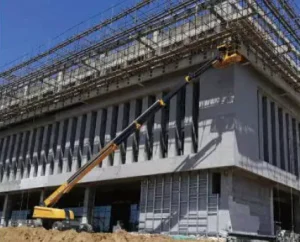
An aerial platform is a mobile lift. It carries workers to elevated areas. The two most common types are the scissor lift and the boom lift. A scissor lift moves straight up. It works well for jobs that need a wide platform and up-and-down movement. A boom lift has an arm that extends and bends. It reaches over obstacles and gets to tight spots.
Both types run on electric, diesel, or hybrid power. Electric models work indoors. Diesel models handle rough outdoor ground. Hybrid units switch between the two. This gives teams more choices based on the job site.
Main Uses of Aerial Platforms
Construction Sites
Construction crews use aerial platforms every day. They install steel frames, pour concrete, and place roofing. A scissor lift gives a stable base for multiple workers. They can stand side by side and pass tools. This speeds up framing and finishing work.
Boom lifts shine when the site has obstacles. Think of a building with an overhang or a busy street below. The arm reaches past walls and lands the worker right where needed. This cuts setup time. It also removes the need for scaffolding in many cases.
Bricklayers and painters like these machines too. They move the platform as they go. There is no need to climb down and reset a ladder. That alone saves hours on a large facade.
Building Maintenance
Tall buildings need regular upkeep. Window cleaners, HVAC techs, and facade repair crews all need height access. Aerial platforms make this easy. A boom lift can park on the street and reach the tenth floor. Workers clean glass or swap out panels without entering the building.
Scissor lifts work well in atriums and large lobbies. These indoor spaces have flat floors and high ceilings. The lift raises maintenance staff to lights, ducts, and sprinkler heads. Electric models run quiet. They do not disturb office workers nearby.
Property managers often rent units for seasonal work. Gutter cleaning, holiday light setup, and pressure washing all go faster with a lift. One day of rental can replace a week of ladder work.
Utilities and Power Lines
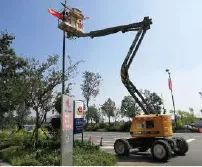
Power companies and telecom crews rely on boom lifts. These trucks carry insulated buckets. Linemen stand in the bucket and work on live wires. The arm moves them close to poles and transformers. This keeps feet on the ground and hands on the job.
Telecom teams use smaller boom lifts for cable installs. They run fiber along poles or between buildings. The lift lets two workers and a reel of cable ride together. They move fast from one pole to the next.
Tree care crews use aerial platforms as well. They trim branches near power lines. The platform is safer than climbing with a chainsaw. It also holds cut limbs so they do not fall on cars or sidewalks below.
Warehouses and Logistics
Big warehouses store goods on tall racks. Workers pick orders from shelves ten meters up. A scissor lift lets them rise to the right level. They grab boxes and scan barcodes. The wide platform holds a cart and a scanner. This beats climbing a rolling ladder over and over.
Some lifts have zero-turn radius. They move down narrow aisles without hitting racks. Electric power means no fumes in closed buildings. That keeps air clean and workers safe.
Events and Entertainment
Concert crews set lights and speakers high above stages. A boom lift carries riggers to trusses. They bolt fixtures and run cables. The arm bends around stage roofs and LED walls. Setup that took a full day now takes a few hours.
Film crews use compact scissor lifts on set. Camera operators rise above crowds for wide shots. The smooth platform keeps the frame steady. Event teams also use them for balloon drops, banner hangs, and confetti cannons.
How to Pick the Right Aerial Platform
- Start with height. Measure the max reach you need. Add one meter for tool space. If the job is 12 meters up, pick a lift rated for at least 14 meters.
- Next, check the ground. Indoor floors need non-marking tires. Outdoor mud needs rough-terrain tread. Slopes matter too. Most lifts handle small grades. Steep hills need special outriggers or tracked units.
- Think about space. Tight aisles need narrow scissor lifts. Wide open lots fit large boom trucks. Also check power source. Electric for indoor. Diesel for outdoor. Hybrid if you switch between both.
- Finally, look at platform size. One worker with a tool bag needs less room. Two workers with gear need a wide deck. Check the load chart. Do not overload the basket.
One More Thing
Aerial platforms changed how we work at height. They cut falls. They boost speed. They fit more job types than most people think. From steel beams to stage lights, these machines do the heavy lifting.
If you need a unit, check MachPlaza. They list scissor lifts, boom lifts, and tracked platforms from brands like XCMG, Zoomlion, and JLG. You can compare specs, prices, and delivery terms in one place.
FAQs
1. Scissor lift or boom lift — which one first?
Go with a scissor lift for straight up-and-down jobs. It costs less and holds more weight. Pick a boom lift when you need to reach over walls or into tight angles.
2. How high do these machines go?
Scissor lifts range from 6 to 18 meters. Boom lifts reach 20 to 45 meters. Some truck-mounted units go even higher.
3. Can I use a diesel lift indoors?
No. Diesel fumes build up fast. Use electric or hybrid units inside. They run quiet and emit zero gas.
4. Do I need a license to run one?
Rules vary by country. Most places ask for operator training. Some need a full license. Check local laws before you rent or buy.
5. How much weight can the platform hold?
A small scissor lift carries 200 kg. Large models hold 500 kg or more. Boom lifts vary by arm length. Longer arms usually carry less.
6. Are they hard to move?
Most have drive controls on the platform. You steer while lifted. Rough-terrain models handle dirt and gravel. Tracked units climb stairs and slopes.
7. What brands are reliable?
XCMG, Zoomlion, SANY, JLG, and Genie all make solid units. MachPlaza carries most of these brands. Parts and service are easy to find.
8. Rent or buy?
Rent if you use it less than six months per year. Buy if you run it daily. Rental shops handle maintenance. Owners save money over the long run.
9. How long does the battery last?
Electric scissor lifts run 6 to 8 hours on a full charge. That covers a full shift. Plug in overnight and it is ready the next day.
10. What safety gear do workers need?
Workers must wear a harness. They clip to the anchor point in the basket. Hard hats and non-slip boots are also standard on most sites.
