
Why Mining Trucks Matter in Mining Operations

Industry News

2026/03/13

Mining work relies on big machines to shift tons of dirt and rock each day. These vehicles take on the hardest tasks, like pulling heavy stuff over bumpy ground to keep things flowing. Without them, places would stop dead, dealing with hold-ups and extra bills. This write-up looks at how these trucks push success in the area, covering their build, everyday jobs, and coming changes.
What Are Mining Trucks?
These trucks show up as special rides made for pulling resources out of the earth. They stand apart from normal street trucks in bulk, toughness, and aim. Built to lug big loads across rough spots, they have strong frames and mighty motors that help them climb sharp hills and stony trails.
Builders make these trucks with broad wheels for solid hold and steadiness on soft dirt. Lots include better shock absorbers to soak up bumps from holes or junk. In a nutshell, they serve as the main support for shifting stuff where usual rides just fail.
Types of Mining Trucks
Various mining spots need certain truck kinds. Above-ground jobs often pick big, open-top styles for fast dropping of loads. Below-ground spots like small versions that squeeze into slim paths while still toting hefty amounts.
Here’s a fast glance at usual kinds:
| Type | Main Use | Key Feature | Typical Payload |
| Off-Highway Trucks | Open-pit spots | High ground space | 50-300 tons |
| Haul Trucks | Bulk stuff shift | Tough drop system | 100-400 tons |
| Mining Dump Trucks | Junk removal | Slanted beds for simple empty | 40-200 tons |
| Underground Mining Trucks | Tunnel tasks | Short height build | 20-60 tons |
This mix makes sure each spot grabs the best match for its setup and turnout.
Moving from kinds, it’s plain these trucks don’t just change in form—they play straight parts in how mines run each day.
Key Roles of Mining Trucks in Work
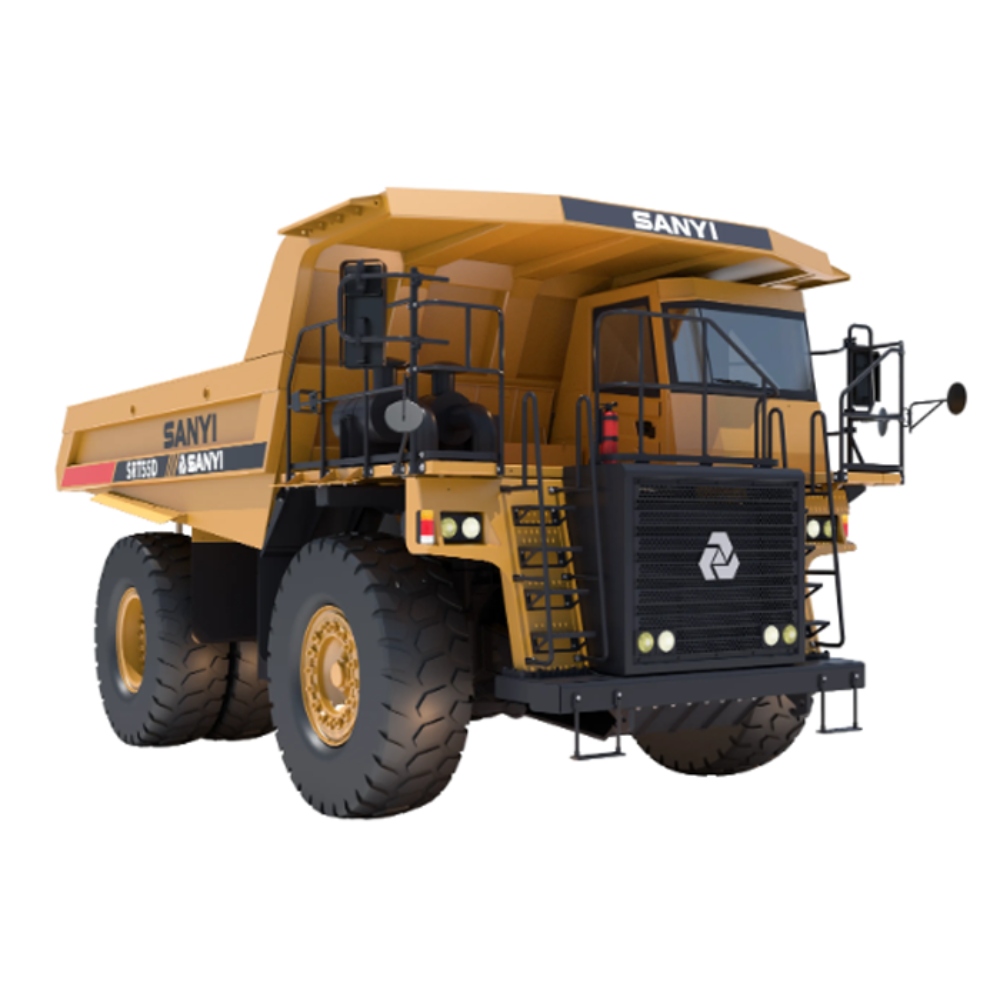
In any mining layout, these trucks connect dig spots to handling zones. They shift ore from pull-out areas to breakers or piles, often going miles in one turn. Without steady transport, jams build up. And that slows all things.
Picture an open-pit copper spot in hilly land. Trucks go up slopes of up to 10%. They carry 200-ton loads many times an hour. This steady loop feeds the grinder. It turns raw stone into useful metal. Hold-ups here mean lost cash—sometimes thousands of bucks per hour.
Boosting Output on Spot
One big way these trucks aid is by trimming trips. Bigger ones pull more per go, so fewer back-and-forth runs. In a coal spot, changing to larger haul trucks might cut daily loops by 15%. That opens time for other chores.
They also link with filling gear like scoops or diggers. Matched sizes mean quick loads—under two minutes in good setups. This match cuts wait time. It pushes whole spot turnout higher. Numbers from big iron ore mines show that kept-up groups can hike stuff moved by 20% over old ones.
Enhancing Safety in Tough Spots
Safety sits high in mining, where mishaps can strike quick. These trucks have things like auto stops that halt if blocks show up. In misty or dusty places, radar guides ways. It skips crashes.
Drivers sit in cabs with strong builds to guard against flips. Air cleaners keep grit out. That cuts health dangers over long turns. At a gold spot in dry areas, picking trucks with clearer views dropped mishap numbers by 25%. It shows how tools help people parts.
Past right-now roles, keeping these rides links to long-run spot well-being.
Maintenance and Lasting of Mining Trucks
Holding trucks going calls for steady looks at motors, wheels, and fluids. Rough dust and shakes wear bits fast. So plans include day-to-day checks and monthly fixes. Wheels alone might hold 6,000 hours in mild use. But they fall to 4,000 in hot spots.
Spots follow work with inside computers that note fuel spend and load sizes. This info catches problems early, like odd wear from too-full beds. In a lime stone pit, using such watches stretched truck span by 18 months on average. It saved on new buys.
Cost Cuts Through Good Care
Right care straight trims bills. Fuel takes 30-40% of run costs. So tweaking motors for better miles helps. Changing to low-drag wheels in one ore spot saved 12% on gas over a year.
Extra parts on hand count too. Fast changes for worn stuff shrink stop time—aim for under four hours per mend. All in all, firm care turns these trucks into money-savers instead of cash drains.
As work changes, fresh tools reshape how these trucks do.
Trends Forming the Coming of Mining Trucks
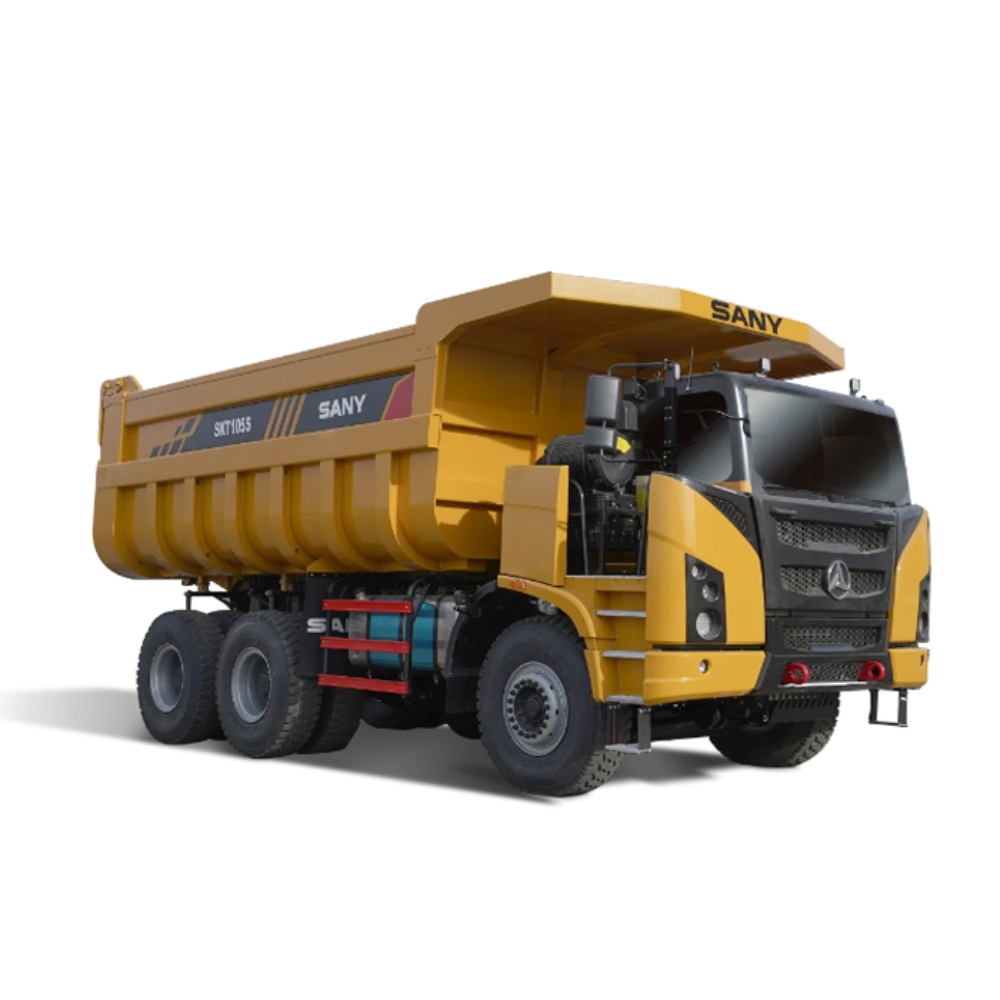
Battery-run ones pick up speed, mainly in below-ground spots where smoke brings dangers. These kinds go quieter and cooler. They fix air for workers. Above-ground spots try mixed systems that join gas with cells for longer pulls.
Self-drive comes in too. No-driver trucks stick to set paths. They fix speeds to save power. In Aussie iron spots, auto groups hiked run time by 15%. They go all day without stops.
Green Gains of New Builds
Green ways push shifts. Lower-smoke motors meet tight rules. Brake systems grab back power on drops. A nickel spot in Canada noted 10% less smoke after switching to cleaner trucks.
These moves not only aid the world but pull in backers keen on earth-friendly ways. Spots that take them often get easier okay stamps and town backing.
With all this in thought, sellers like MachPlaza rise to fill wants.
About MachPlaza: Your Mining Trucks Seller
MachPlaza acts as a reliable sender of build and mining tools from China. They focus on off-road dump trucks and linked stuff. They pull from a broad group of makers to give lasting picks. Their eye on quality tests and on-time sends helps spots stay going without snags. With time in the area, they give full aid from pick to after-buy. It makes sure gear fits certain wants like high-pull hauls or bumpy ground handling. This way builds trust for world work.
Wrap-Up
Mining trucks make the heart of smooth, safe, and busy spots. From pulling huge loads to fitting new tools, they hold the field going ahead. As calls grow for green and quick, putting cash in right trucks brings smoother goes and lower bills. Spots that put them first stay in front in a tough area.
FAQs
What part do mining trucks play in hiking spot output?
These trucks deal with big loads. They cut the trips needed to shift stuff. In open-pit setups, this brings faster loops and less wait for loaders. It often hikes daily turnout by two numbers.
How do off-highway trucks fix safety in mining work?
Off-highway trucks have sensors and strong cabs that spot dangers and guard drivers. In gritty pits, this setup has dropped mishap counts by giving better hold on bumpy dirt.
What gains come from using haul trucks in below-ground mining?
Haul trucks in paths give small builds for tight spots while toting heavy loads. They trim air needs with battery picks. That makes deeper pulls safer and smoother.
Why pick mining dump trucks for junk drop?
Mining dump trucks shine at fast empty on hills. They speed junk clear. This holds spots open. It stops jams that could halt pull-out tasks.
How can fresh mining trucks back green aims?
With mixed or battery power, these trucks trim fuel spend and smoke. Spots taking them often see lower run bills next to hitting green marks.
