
Why Choose a Truck Crane for Your Next Project

Industry News

2025/12/26
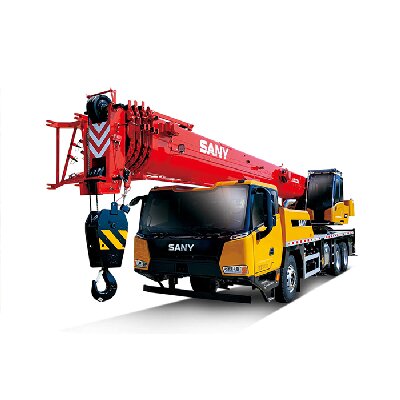
When tackling a big build or heavy lift job, picking the right equipment shapes how smooth things run. Truck cranes stand out for many teams because they mix power with easy movement. This post digs into reasons why they fit so well for various worksites. From city spots to remote areas, they handle loads without tying up too much time or space. Let’s break it down step by step.
Understanding Truck Cranes
Truck cranes mount lifting gear right on a truck chassis. That setup lets them drive to sites like regular vehicles. No need for extra trailers or permits in many cases.
Key Features That Set Them Apart
These machines come with hydraulic booms that extend far, often reaching heights needed for mid-rise buildings. Stabilizers pop out to keep everything steady during lifts. Controls inside the cab make operations straightforward. Safety systems kick in to prevent overloads, which cuts down on accidents.
Teams appreciate how truck cranes adapt to tight schedules. Picture a downtown renovation where space is scarce. A truck crane rolls in, sets up fast, and gets to work without blocking traffic for hours. That’s the kind of edge that keeps projects on track.
Benefits for Project Efficiency
Efficiency boils down to getting more done with less hassle. Truck cranes shine here by cutting setup times and boosting productivity. They arrive ready to lift, unlike some fixed options that require assembly.
Mobility Advantages on the Job
One big plus is how they move around. Drive them straight to the lift spot, no disassembly required. This matters on sprawling sites like highway repairs, where cranes shift positions multiple times a day.
In urban builds, where roads are narrow, their compact design fits through gates that bigger rigs can’t. Data from industry reports shows projects using mobile setups finish 20-30% faster in congested areas. Workers spend less time waiting and more on core tasks.
Cost Savings Over Time
Renting or owning a truck crane often costs less than alternatives. Fuel efficiency improves with modern engines, and maintenance stays simple since the truck part uses standard parts.
Consider a warehouse expansion. Instead of hiring separate transport for a crawler model, a truck crane handles both travel and lifting. This trims budgets by avoiding extra crews or equipment hauls. Over a six-month job, savings can hit thousands, freeing cash for other needs.
Versatility Across Different Projects
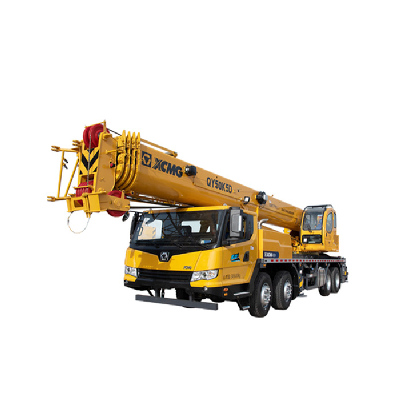
Not all jobs are the same. Truck cranes handle a range from light utility work to heavy industrial lifts. Their adjustable booms and attachments make them flexible.
Handling Urban Construction Challenges
City projects face noise limits, tight spaces, and quick turnaround. Truck cranes operate quietly with electric options in some models. They lift materials to upper floors without scaffolding everywhere.
For example, installing HVAC units on a high-rise. The crane positions precisely, reducing manual labor risks. Teams report fewer injuries when using mobile lifts, as everything stays grounded until the final placement.
Applications in Rural or Remote Sites
Out in the countryside, access roads might be rough. Truck cranes with all-wheel drive tackle mud or gravel without getting stuck. This reliability keeps timelines intact during bad weather.
Bridge repairs over rivers benefit from their reach. Extend the boom across gaps to place beams safely. Industry pros note that these machines cut downtime by half compared to towed alternatives, especially in areas without paved access.
To compare how truck cranes stack up against other types, here’s a quick table:
| Crane Type | Mobility | Setup Time | Ideal For |
| Truck Crane | High (drivable) | 15-30 minutes | Urban, short-term projects |
| Crawler Crane | Low (tracked) | 1-2 hours | Long-term, heavy sites |
| Tower Crane | None (fixed) | Days | High-rise builds |
This setup shows why truck cranes win for projects needing quick shifts.
Safety and Reliability Factors
Safety isn’t optional on sites. Truck cranes build in features like load moment indicators that warn of tipping risks. Operators train on these to spot issues early.
Built-in Safety Mechanisms
Outriggers extend wide for stability on uneven ground. Anti-two-block systems prevent hook damage. These tools lower accident rates, with stats showing 15% fewer incidents on jobs using them.
In a factory retrofit, where space is crammed with machinery, these features allow safe lifts around obstacles. No guessing involved – digital displays guide every move.
Long-Term Reliability in Tough Conditions
Built tough, truck cranes withstand dust, rain, and heat. Regular checks keep them running, but their design minimizes breakdowns. Sites with non-stop operations rely on this uptime.
Transitioning from daily use, think about how choosing the right crane builds your team’s reputation. Projects done safely and on time boost client trust, leading to more contracts.
Environmental and Regulatory Considerations
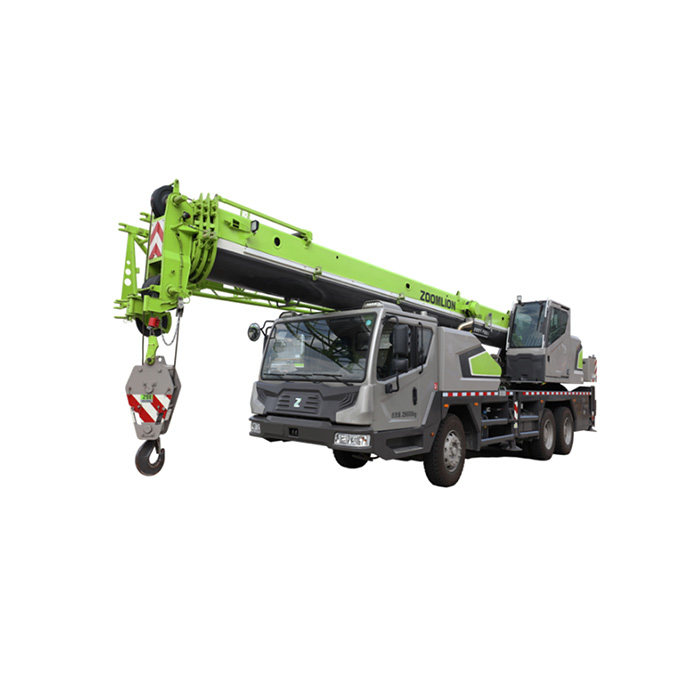
Modern jobs demand green practices. Truck cranes with low-emission engines meet strict rules in many areas. They use less fuel, cutting carbon footprints.
Meeting Compliance Standards
In zones with air quality regs, these machines pass inspections easily. Their mobility means less idling time, which helps overall site emissions.
For wind farm installs, where eco-impact matters, truck cranes lift turbines without heavy ground disturbance. This keeps permits flowing and avoids fines.
Sustainable Practices in Operation
Operators can idle down during waits, saving energy. Recyclable parts in builds add to sustainability. Over time, this approach elevates a company’s green profile, attracting eco-conscious clients.
Finding the Right Supplier: MachPlaza
If you’re hunting for a reliable truck crane supplier, check out MachPlaza. They specialize in exporting solid, high-quality machines from top Chinese brands like SANY,ZOOMLION, XCMG and etc. From helping you choose the best fit to solid after-sales help, they’ve got your back. Their prices are sharp, shipping’s quick, and they’re a favorite for teams that can’t afford sketchy gear. Best part? Their supply chain keeps parts flowing, so downtime’s rarely an issue.
Conclusion
Wrapping up, truck cranes deliver the mix of speed, power, and flexibility that modern projects crave. They cut costs, boost safety, and adapt to any site. By picking one, teams position themselves for success, building stronger reputations in the field.
FAQs
What factors should I consider when choosing a truck crane for my project?
Look at load needs, site space, and timeline. Truck cranes work best for jobs requiring quick moves and moderate lifts, like urban repairs. Check capacity against your heaviest items to avoid overloads.
How does a truck crane improve efficiency on my project?
It sets up fast and drives between spots, slashing wait times. On a typical build, this can save hours daily, letting crews focus on assembly rather than equipment handling.
Are truck cranes suitable for all types of projects?
They fit many, from city builds to rural installs, thanks to their mobility. For very heavy or fixed-position work, other types might pair better, but for versatile needs, they’re a solid pick.
