
Wheel Loader Attachments: 10 Tools That Double Your Machine’s Value

Industry News

2026/07/23
A wheel loader sits on most job sites. It moves dirt and loads trucks. But that bucket is just the start. The right wheel loader attachment turns one machine into ten. You save money and space. You also cut downtime between tasks.
This guide covers ten attachments that add real value. We also look at how to pick the right one and where to buy.

1. Quick Coupler — The Game Changer
A quick coupler lets you swap attachments in minutes. No crew needs to grab wrenches. The operator does it from the cab. This saves hours each week. It also means one loader handles many jobs in a single day.
2. Forks — Move What Buckets Can’t
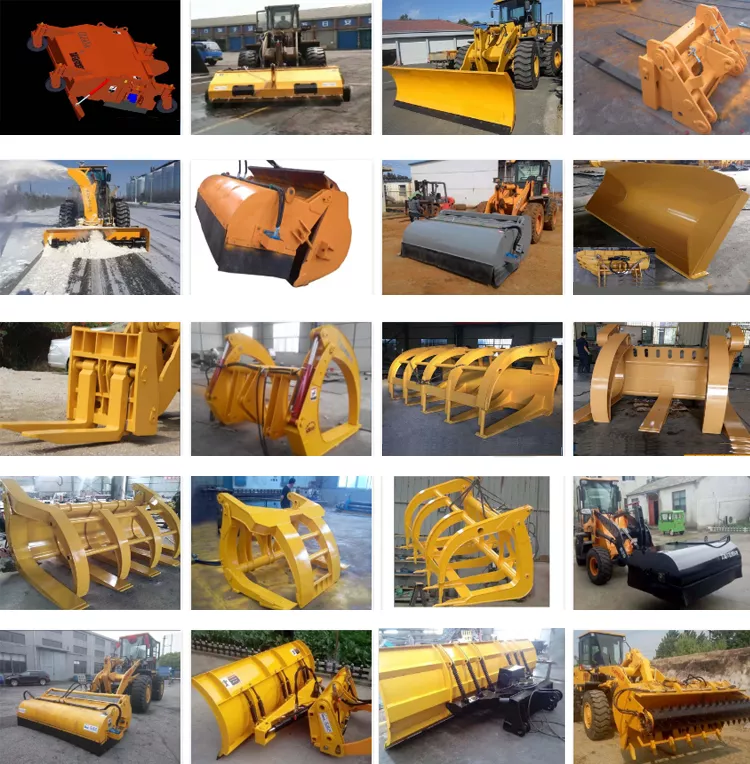
Pallet forks turn your loader into a forklift. You move pipes, blocks, and packed goods. Most forks fit standard quick couplers. Check the load chart before you lift. Overloading bends the frame and risks the operator.
3. Snow Pusher and Snow Blower
Winter work pays well. A snow pusher clears lots fast. A snow blower throws snow far from the road. Both attach in minutes with a quick coupler. One loader handles summer dirt and winter snow. That is year-round income from one machine.
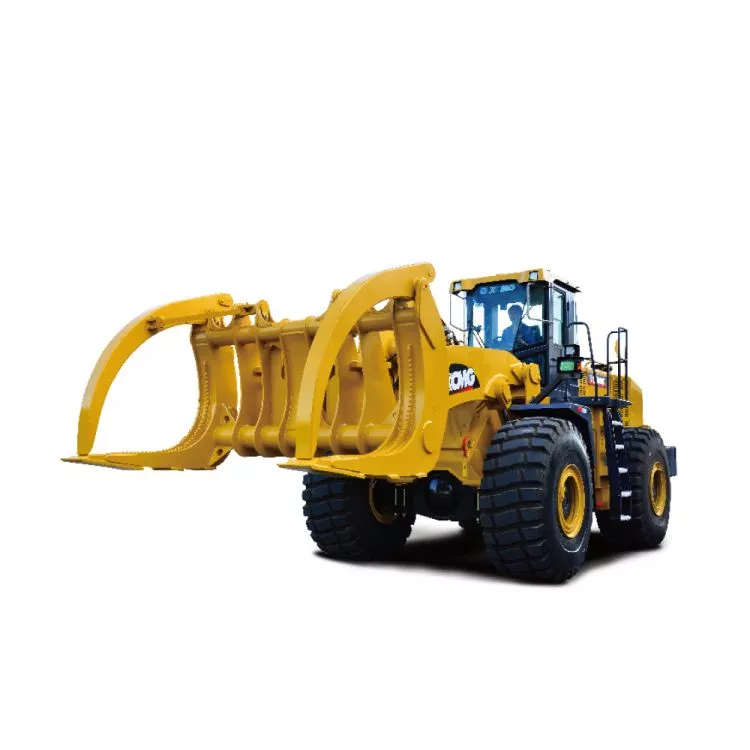
4. Grapple Bucket — Grab Loose Stuff
Brush, scrap metal, and logs slip out of a normal bucket. A grapple bucket clamps down. You move loose or odd shapes without spills. Forestry and recycling yards use these daily.
5. Auger — Dig Without Another Machine
Need fence posts or sign holes? An auger attachment drills straight down. You skip hauling a mini excavator to the site. The loader stabilizes with its weight. Just watch the torque rating on your hydraulics.
6. Broom — Clean Up Fast
Road work leaves dust and debris. A rotary broom sweeps it clean. Airports and parking lots use these too. Some models collect debris in a box. Others just push it to the side.
7. Mulcher and Mower
Land clearing takes special gear. A mulcher head chews through thick brush. A flail mower handles grass and light growth. Both run off the loader’s hydraulics. You clear land without buying a dedicated tractor.
8. Rake and Screen Bucket
A rake sorts rock from soil. A screen bucket sifts out fine material. Quarries and landscaping crews use both. You process material on site instead of hauling it elsewhere.
9. Lifting Jib and Crane Hook
Sometimes you need height, not reach. A lifting jib adds a hook above the bucket. You place beams, tanks, and HVAC units. Always check the load limit. Rigging skills matter here too.
10. Concrete Mixer Bucket
Remote sites need concrete. A mixer bucket stirs cement, sand, and water. You pour where you stand. No truck needed. This saves time on small pads and repair jobs.
How to Pick the Right Attachment?
- First, check your loader’s specs. Look at hydraulic flow, pressure, and lift capacity. An attachment that needs more flow than you have will run slow or overheat.
- Second, think about coupler type. Pin-on is cheap but slow. Quick couplers cost more upfront but save labor. Some brands use their own lock style. Make sure new attachments fit your coupler.
- Third, match the tool to the work. A snow blower in Florida makes no sense. A grapple bucket at a concrete plant sees little use. Buy what earns money.
Where to Buy Wheel Loader Attachments?
MachPlaza lists attachments from many brands. You compare specs and prices side by side. They carry forks, grapples, augers, and more. Most sellers ship worldwide.
One More Thing
Attachments turn a wheel loader from a dirt mover into a multi-tool. You bid on more jobs. You carry less iron to the site. The math is simple: one machine plus ten tools beats ten machines.
FAQs
Q1: Do all attachments fit every loader?
No. Check coupler type, hydraulic flow, and weight limits. A small loader cannot lift a heavy grapple.
1. How fast is a quick coupler?
Most take under two minutes. Some hydraulic models swap in seconds.
2. Can I run an auger on a small loader?
Yes, if hydraulics match. Low flow means slow drilling. Check the spec sheet first.
3. Are used attachments worth it?
Sometimes. Look at weld cracks, pin wear, and hydraulic leaks. A bent frame is hard to fix.
4. What maintenance do attachments need?
Grease pins daily. Check hoses for cracks. Tighten bolts after the first ten hours of use.
5. Do I need extra training?
Yes. Each tool changes balance and sight lines. Forks lift high and block the view. Augers kick back if the bit jams.
6. Can one loader run all ten attachments?
Most mid-size and large loaders can. Small compact loaders may lack flow or lift for heavy tools.
7. Where do I find specs for my loader?
Check the manual or the maker’s website. MachPlaza also lists machine specs with many listings.
