
What Are The Main Uses of A Semi Trailer?

Industry News

2026/06/11
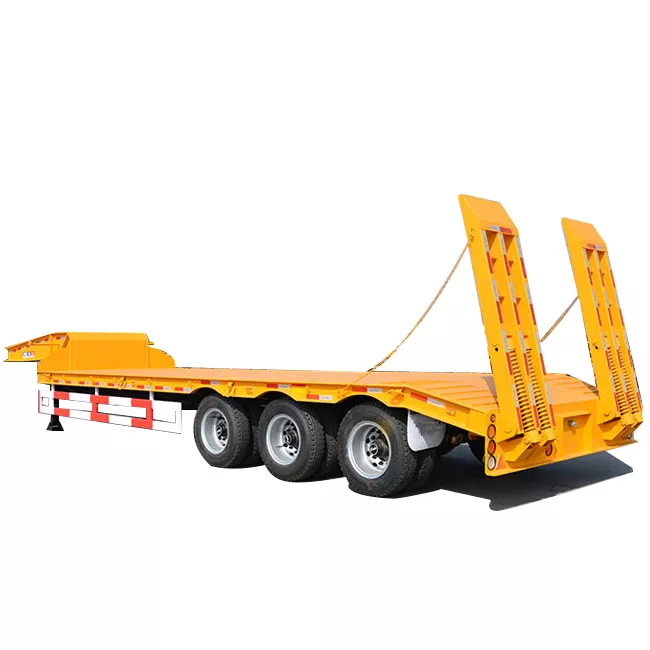
Semi trailers move most goods on roads today. They hook to a tractor unit and carry loads that trucks alone cannot handle. From food to machines, these trailers make long trips possible. Let’s look at what they do and why they matter.
Why Semi Trailers Matter
Roads carry over 70% of freight in many countries. Semi trailers do the heavy work. They hold more than box trucks. They also drop off at one spot and pick up at another. This saves time and fuel. Factories, farms, and stores all need them.
A semi trailer has no engine. It relies on a tractor to pull it. This setup cuts costs. You can swap trailers fast. One tractor can pull a flatbed in the morning and a tanker in the afternoon.
Common Types and Their Jobs
Flatbed Trailers
Flatbeds have no walls or roof. You load from the top or sides. They carry steel beams, pipes, and big machines. Builders use them for construction gear. They strap cargo down tight. Wind can hit the load, so drivers plan routes with care.
Flatbeds also haul lumber and bricks. Anything too wide or tall for a closed box goes here. Some have drop decks for taller items. These keep the load within legal height limits.
Dry Van Trailers
Dry vans are the closed boxes you see on highways. They protect goods from rain and theft. Most retail goods travel this way. Clothes, electronics, and packaged food fit inside. They lock tight and keep dust out.
These trailers come in 48-foot and 53-foot sizes. The 53-foot model holds more pallets. Warehouses match their docks to these lengths. Dry vans are the workhorse of the trucking world.
Refrigerated Trailers (Reefers)
Reefers keep things cold. They have built-in cooling units. Fresh food, medicine, and flowers need steady temps. A reefer can freeze or just chill. Drivers watch gauges to avoid spoilage.
Grocery chains rely on reefers. So do drug companies. One broken unit can ruin a full load. These trailers cost more to run. But they open doors to markets that need cold chain logistics.
Tanker Trailers
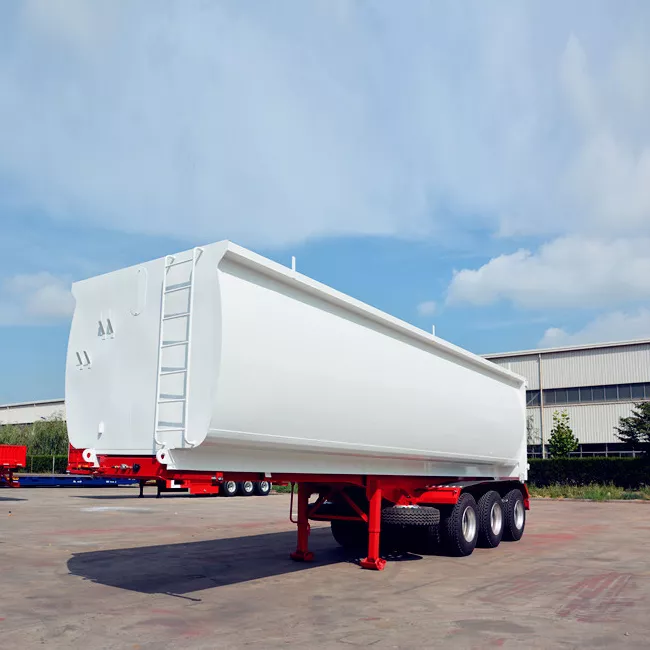
Tankers move liquids and gases. Fuel, milk, chemicals, and water all flow through them. Each tank has a special lining for its cargo. Some carry food-grade loads. Others haul dangerous goods.
Drivers need extra training for tankers. Sloshing liquid shifts weight on turns. Baffles inside cut this risk. Tankers fill and empty through hoses. No pallets or boxes needed.
Lowboy Trailers
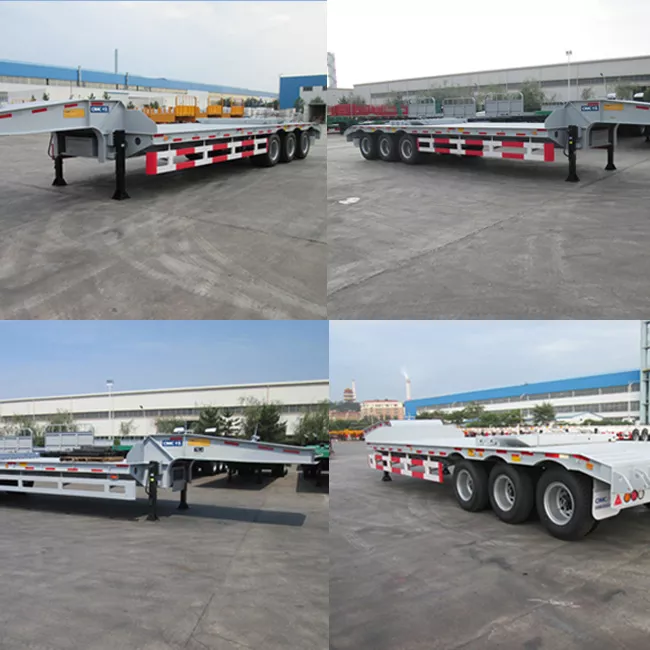
Lowboys sit close to the ground. They haul heavy gear like bulldozers and cranes. The low deck keeps tall loads under bridges. Some have multiple axles for weight spread. These trailers cost more but earn big on specialized jobs.
Construction firms rent or own lowboys. Moving a 40-ton excavator needs skill. Ramps let machines drive on and off. Lowboys make it possible without cranes.
Dump Trailers
Dump trailers lift and tilt to empty loads. Sand, gravel, and grain pour out the back. Farms use them for harvest. Mines move rock with them. The hydraulic bed saves hours of hand work.
Some have round bottoms for sticky loads. Others are square for easy shoveling. Dump trailers work hard in tough spots. Mud and dust are part of the job.
Key Brands in the Market
Other big names include Wabash, Schmitz Cargobull, and Great Dane. Each has strengths. Wabash leads in dry van tech. Schmitz rules Europe with light-weight designs. Great Dane holds a strong spot in North America.
What to Check Before You Buy
Think about your cargo first. Heavy machines need lowboys. Food needs reefers. Bulk goods need dump trailers. Match the trailer to the job.
Check the frame and axles. Rust weakens steel over time. Ask about brake type. Air brakes stop heavy loads better. Look at tire age, not just tread. Old tires blow out on hot days.
Ask who made the parts. Name-brand axles last longer. Cheap copies break and cost more later. A good trailer runs ten years with care. A bad one eats cash from day one.
One More Thing
Semi trailers keep supply chains alive. No single type does it all. Flatbeds, vans, reefers, tankers, lowboys, and dumps each fill a need. Pick the right tool. Your freight gets there safe. Your wallet stays happy.
For buyers seeking quality trailers, MachPlaza lists new units from top makers. Compare specs, check prices, and find the right match for your fleet.
FAQs
Q: How long does a semi trailer last?
Most trailers run 10 to 15 years. Good care and rust protection add time. Reefers may need new cooling units sooner.
Q: Can one tractor pull different trailers?
Yes. The fifth wheel coupling swaps fast. One tractor can pull a van today and a flatbed tomorrow.
Q: Do I need a special license?
In most places, a standard CDL covers common trailers. Tankers and heavy haul need extra endorsements.
Q: What is the most common trailer type?
Dry vans lead the market. They protect goods and fit most freight. Warehouses design docks around them.
Q: How much weight can a semi trailer carry?
In the US, the total rig limit is 80,000 pounds. The trailer itself weighs 10,000 to 15,000 pounds. So cargo runs 65,000 to 70,000 pounds max.
Q: Are used trailers worth buying?
Yes, if you check them well. Look at frame rust, brake pads, and tire age. A used trailer in good shape saves thousands.
Q: What makes CIMC trailers stand out?
CIMC offers wide choices at fair prices. They sell in over 100 countries. Parts are easy to find in most regions.
Q: Why do reefer trailers cost more to run?
The cooling unit burns fuel even when parked. It also needs service each year. But reefers earn more per mile than dry vans.
Q: Can flatbeds carry oversized loads?
Yes, with permits and flags. Some states need pilot cars for wide loads. Drivers plan routes to avoid low bridges.
Q: What is a drop deck trailer?
It has a low section in the middle. Tall cargo sits there and stays legal. It is a type of flatbed for special jobs.
Previous
None