
Unlocking the Power of Motor Grader: Your Essential Guide

Industry News

2025/10/31

Motor graders act as key players on work sites all over. Imagine a big patch of bumpy soil turning into a flat spot ready for paving. That is what these machines do for building teams, road workers, and site bosses just like you. If your jobs need even, exact ground, knowing about motor graders can help a lot. This guide covers all sides. It goes from their start to everyday jobs. So you can choose the best one. And keep it going well. Let’s jump in.
What Is a Motor Grader?
A motor grader is a tough machine made for smoothing and forming land. It has a long blade you can adjust. That blade cuts through dirt, rocks, or soil to make flat areas. You can’t beat it for fixing levels before concrete or road tops go down. These machines move on wheels. A diesel motor runs them. It powers the blade and turns.
Think of this. Without a motor grader, getting a road base ready might take days of hand work. But one lets your group finish quick. And it gives a clean look. They don’t just help on huge roads. Farms, digs, and yard jobs use them too. For fast, right work. In short, if you want flat land, a motor grader gets it done.
A Quick History of Motor Graders
Motor graders did not begin as the big tools we see now. In 1885, Joseph D. Adams made the first one pulled by horses. He called it the “Little Wonder.” It had slanted wood wheels. They leaned into the slice. And smoothed fields with plain pull. Horses dragged it. Farmers liked it more than tools by hand.
Then, in the early 1900s, steam pullers took charge. They moved bigger blades. Next came motors that burned fuel inside, after the big war. By 1920, the Russell Grader folks brought out the “Motor Hi-Way Patrol No. 1.” They put a blade on a puller body. No need for animal help anymore. Just machine push.
The 1930s added diesel motors and better weight spread. Caterpillar’s 1931 “Auto Patrol” set the way. It used rubber wheels and back power. For better views ahead. After the war, booms in digs and roads made them larger. In the 1960s, the Caterpillar No. 16 weighed over 21 tons. Its blade reached 4.3 meters.
Now? Blades with GPS and stick controls make them smart. From horse lines to tech groups, motor graders have formed the land. One even cut at a time. They have grown a ton. But their task stays put. They make rough spots set for the next step.
Key Components of a Motor Grader
Each bit of a motor grader fits like a good team. Learn these main parts. Then you can catch problems early. Before they stop your day.
The Blade and Circle Drive
The blade, or moldboard, leads the show. This bent steel side cuts, spreads, and smooths dirt or stones. It rolls stuff from front tip to back end. For a neat drop. You can tip it ahead or back. Move it left or right. Or set it sharp for hills.
It hooks to the circle drive. That turns the blade a full circle. So you can make topped roads or water lines easy. Pumps move it up and over. Smooth and fast. A dull side here means bad work. Check it regular.
Frame, Hydraulics, and Cab
The frame folds at the joint in the middle. Right below where you sit. This bend lets the front swing free from the back. It fits tight paths or follows bends. Hard steel holds it firm on bad ground.
Pumps run it all. They send oil to arms for blade shifts and turns. New kinds feel the weight change. They save gas and parts. Keep pipes clear. Or it slows.
On top, the cab blocks dust and sound. Look for seats that fit, wide glass for full looks, and easy grips. Cool air? Key on warm days. It is your spot to run things. Make it nice for long runs.
Engine, Tires, and Attachments
Diesel motors give the pull. From 100 to 500 horse power by size. They mix pull for hard pulls. Wheels, six or eight often, hold and guide. Tip them for better grab on sides.
Rippers in back break tough dirt. They loosen before the blade comes. Snow pushers or sweepers go front for cold or clean ups. These add-ons make one tool do many.
| Part | Job | Fast Check |
|---|---|---|
| Blade (Moldboard) | Cuts and smooths spots | Sharpen sides every 100 hours |
| Circle Drive | Turns blade for sides | Oil turns weekly |
| Bend Joint | Folds frame for bends | Look for loose each month |
| Pump Setup | Runs moves | Check oil daily |
| Motor | Runs the lot | Test oil every 250 hours |
| Wheels | Holds grip | Check air before start |
This build keeps it tight. Skip one, and work hurts.
Types of Motor Graders
All motor graders don’t fit every task. Sizes and shapes change to match what you do. Here is a simple split.
- Small Motor Graders: Short at 8-12 feet wide blade and 100-200 HP. Good for close city spots or farm tracks. They turn sharp in small rooms.
- Medium Motor Graders: Up to 12-14 feet blades and 200-300 HP. Main pick for road tasks or land clean. Power without too much weight.
- Large Motor Graders: Big ones with 14-24 feet blades and 300+ HP. For main roads or digs where big counts. More wheels take the push.
- Heavy-Duty Models: Over 400 HP and fat blades for huge builds. Like airport paths or rock roads. They eat the hard stuff.
- Fixed Frame Kinds: Straight frames for line work. Easy and cheap to fix. Best for long flat goes.
Choose by spot size and dirt kind. A little one works great on home jobs. Pick big for road lines. Each saves time where it fits.
Common Applications for Motor Graders
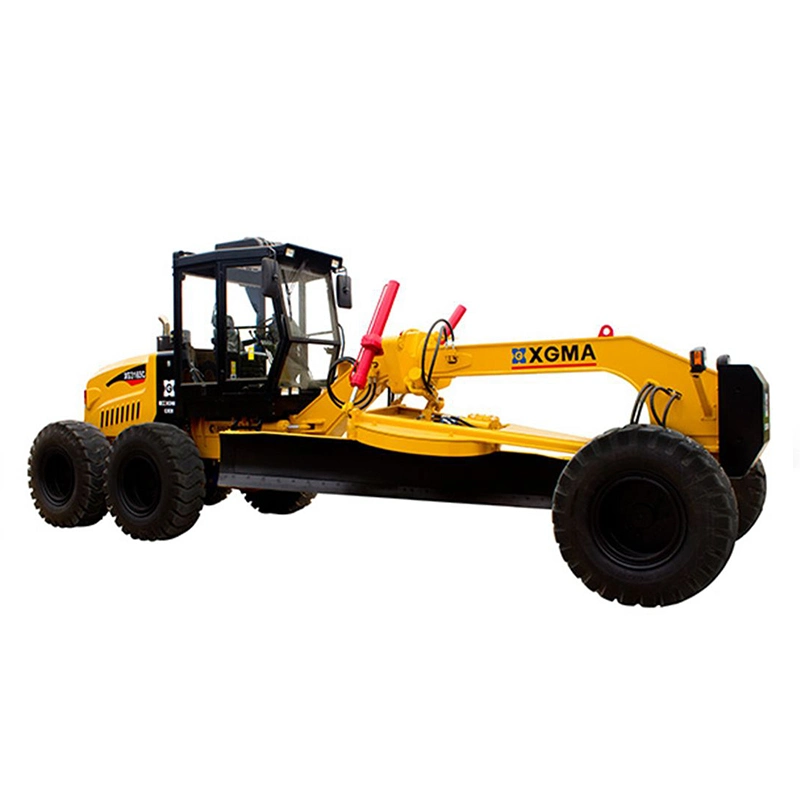
Motor graders do well in many fields. Here is where they help most.
- Road Building and Maintenance: Smooth under layers for blacktop or stone roads. Cut sides for water flow. Keep back paths even all year.
- Site Preparation: Clean and flat land before bases. Form hills for hold. Fits home builds or shop lots.
- Mining and Quarries: Fix truck paths for safe rides. Break rock sides. Cut dust by quick smooth.
- Agriculture: Step fields for plant lines. Smooth water paths. Fix wheel marks after rain.
- Landscaping and Emergency Work: Shape parks or course greens. Push snow from areas. Clear junk after bad weather for quick get-in.
These spots show how they bend. One go smooths what hands take hours. Your team keeps up. Jobs end on time.
Operating a Motor Grader: Tips for Success
To run a motor grader, you need touch and beat. Go slow at first. Gain trust. Here is how to do it right.
Walk it first. Look at wheels for rips, blade for bends, liquids for drips. Start it. Let it sit low. Hear for strange hits.
Set blade down flat for rough goes. Over lap lines by half blade. Keep speed even, about 2-3 mph. Feel the land by grips. Change tip to follow bumps.
For hills, set blade at 30-45 degrees. Use bend to side step on banks. Wheels tipped? They hold better. Cut slide.
Finish light. Touch soft for last smooth. Stop clean. Wipe seat, park straight. Do it more. It feels natural soon. You will smooth like a pro.
Essential Maintenance Practices for Motor Graders
Keep your motor grader going smooth. It will give back in run time. Miss looks, and tiny faults grow big.
Daily and Weekly Routines
Begin each go with a full walk. Look low for drips. Test turns. Fill gas and oil. Clean blade side. Dirt makes it weak fast.
Each week, add oil to all turns: circle, lift arms, bend pins. Wipe pump lines. These wear quick without wet.
Deeper Checks and Fixes
Test motor oil every 250 hours. See metal bits? Bad sign coming. Swap screens monthly. Dirty ones hurt the motor.
Eye wheels. Fill air right. Low wrecks hold. Cool mix low? Add to skip heat.
Drips? Find in circle and blade spots. One drop now floods later. Clean motor holes. Junk blocks coolers.
| Task | How Often | Why |
|---|---|---|
| Liquid Looks | Each day | Stops breaks in work |
| Oil Spots | Weekly | Lowers wear on moves |
| Oil Test | Every 250 hours | Finds motor probs soon |
| Wheel Air | Each day | Helps safe and gas |
| Screen Swaps | Monthly | Keeps air and pumps clean |
Follow the book plan. Write all. A fast 10 min does saves hours off. Your tool and cash say thanks.
Choosing the Right Motor Grader for Your Project
To pick a motor grader, think of your spot needs. Close city area? Get a small quick one with good turns. Long road line? Big body with full wheel push does it.
Think power vs dirt. Soft ground takes less tug. Stone calls for strong pull. Blade fat sets how much it covers. Fat means less lines. But watch turns.
Plan cash wise. Add gas use, fix ease, seat nice for long days. Tech like GPS? It cuts redo. Pays quick.
Try a run if you can. Feel grips. See views. Right match lifts team work. Lowers spend. Pick what fits your do. Right comes next.
Why Partner with MachPlaza for Your Motor Grader Needs
When you need a solid motor grader, MachPlaza comes as your go-to seller. As a top shipper of Chinese build tools, we cover full gear to fix bits. Our group aims for good costs, fast send, and fit setups for your build. We have a big web of helpers to give no-worry help from start to end life. Hit us at official website for plans that keep your work moving easy.
Conclusion
Motor graders do more than tools. They hold up good bases. From old horse drags to now GPS aids, they even the spot for makers all around. Learn their bits, kinds, and looks after. You turn hard jobs to easy ones. If making roads or spots, the good motor grader gives your team power to hit top ends. Get in. Stay good. See your builds go up.
FAQs
What exactly does a motor grader do on a construction site?
A motor grader smooths and forms spots. Like even stones for roads or cuts for water. It makes exact levels that help all else.
How do different types of motor graders suit various jobs?
Little ones do close spots like farms. Big ones push big road builds. Fit the size to your land for top work.
What’s the best way to maintain a motor grader daily?
Look at liquids, wheels, and blade each morn. A fast walk finds drips or wear before it stops your go.
Can a motor grader work in mining or agriculture too?
Yes. It fixes truck paths in digs or steps fields on farms. Bends for any land form task.
Why choose a motor grader over a bulldozer for fine work?
It gives tight hold for light cuts and clean ends. Great when you want even spots, not deep holes.
