
Uncovering Horizontal Directional Drilling Rigs

Industry News

2025/12/19
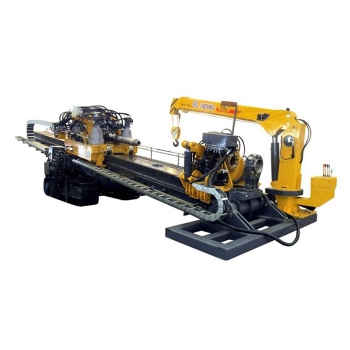
Ever think about how workers put in pipes and wires below ground without messing up roads or lawns? That is what a horizontal directional drilling rig does. It is a clever method for doing work underground with little chaos. If you work in building, power lines, or set up large tasks, learning about these machines can cut down on problems and time loss. This piece covers everything from the simple stuff to more details. You can pick good options for your work.
Why Choose HDD Over Traditional Methods?
A horizontal directional drilling rig, or HDD, helps make tunnels under streets, water, or structures. You do not need huge ditches. It has become common since towns grow bigger. No one likes endless interruptions. Picture this: less paperwork for approvals, faster starts, and pleased people nearby. Yet, to do it well, you must have the correct machine. Time to jump in.
Old-style digging uses big machines to tear open the earth. This causes road blocks, dirt wash away, and more money for fixes. HDD flips that around. It makes a bent tunnel from start to end, then drags the pipe back. Tasks wrap up quicker, and the place stays neat. In crowded spots, it is an easy choice.
The Core Parts of a Horizontal Directional Drilling Rig
A good rig is like a reliable truck – built tough with parts that work together smoothly. At its heart, you’ll find a power source driving the whole operation. Most rigs pack serious muscle, often in the hundreds of kilowatts, to push through dirt or rock. Then there’s the drill head, which steers the path. Add in pumps for mud to cool things down and clear debris, and you’ve got the essentials.
Don’t overlook the control setup. Modern rigs use hydraulic systems for precise handling. Operators sit in a cab, tweaking angles and speeds on the fly. Safety features, like pressure monitors, keep everything in check. When you pick a rig, look at how these pieces fit your needs – small jobs might need compact models, while big pipelines call for heavier hitters.
Key Components and Their Roles
- Power System: Supplies the force for thrusting and rotating. It handles tough ground without bogging down.
- Drill String and Bits: These extend the bore path. Bits come in types for sand, clay, or gravel.
- Mud Circulation: Pumps fluid to lubricate and stabilize the hole. Without it, collapses happen fast.
- Tracking Tools: Use signals to guide the drill head accurately, avoiding surprises underground.
Imagine running a cable under a highway. The power system shoves the drill forward, mud keeps it cool, and trackers ensure you hit the mark. Miss one part, and the job stalls.
Sizing Up Rigs for Different Jobs
Rigs vary in pull force, from lighter ones at a few dozen kilonewtons to beasts over thousands. Torque matters too – higher numbers mean spinning through hard soil easier. Speeds for pulling back pipes can hit dozens of meters per minute. Match the rig to your project scale. A small urban install? Go compact. Crossing a river? Beef it up.
Step-by-Step: How Horizontal Directional Drilling Works
The process isn’t magic, but it feels like it when done well. It breaks into clear stages. First, plan the path. Surveys check soil and obstacles. Then set up the rig at the entry point. Drilling starts shallow, curving down and across.
Operators monitor every move. Adjustments keep the bore on track. Once through, enlarge the hole if needed. Finally, pull the pipe back. Sounds simple? It takes skill to avoid bends or breaks.
The Pilot Hole Phase
This is where precision shines. A slanted drill head enters at an angle, say around 10 to 20 degrees. It bores ahead, steered by remote tools. Fluid jets help cut the path. Hit the exit point spot-on, and you’re golden. Mess up, and realignments eat time.
Short bursts work best here. Push too hard, and tools wear out. Steady progress beats rushing.
Reaming and Pipe Pullback
After the pilot, widen the hole with reamers – tools that grind bigger diameters, up to a couple meters wide. Multiple passes might be needed for large pipes. Then attach the pipe and yank it back through the bore. Thrust forces peak here, so the rig’s strength shows.
Watch for ground heave or frac-outs, where mud escapes. Good planning keeps those rare.
Benefits That Boost Your Projects
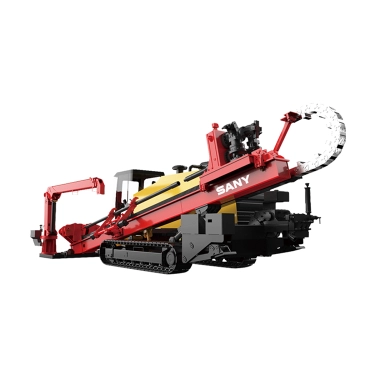
Why bother with HDD? The upsides stack up. Less surface damage means quicker permits and lower cleanup bills. In tight spots like cities or parks, it’s often the only way. Costs drop over time – fewer workers, shorter timelines.
Environmentally, it wins. Minimal soil disturbance protects habitats. For your business, that builds a green reputation. Clients love contractors who finish on budget without complaints. Personal brand? Position yourself as the go-to expert for efficient installs. Word spreads fast in this field.
Cost Savings in Action
Take a typical pipeline job. Traditional methods might run high due to road closures. HDD cuts that by half or more. Factor in faster completion, and savings multiply.
| Aspect | Traditional Digging | HDD Approach |
| Surface Disruption | High – trenches everywhere | Low – small entry/exit pits |
| Timeline | Weeks or months | Days to weeks |
| Labor Needs | Large crews | Smaller, skilled teams |
| Environmental Impact | Soil erosion, habitat loss | Minimal, preserves landscape |
See the difference? Numbers don’t lie.
Safety and Reliability on Site
Rigs come with sealed cabs to cut noise and dust. Emergency stops and monitors spot issues early. Reliable parts mean fewer breakdowns, keeping your team safe and productive.
Common Challenges and How to Tackle Them
No method’s perfect. Soil types vary – rocky ground slows drills, soft spots risk collapses. Weather plays a role too. Rain turns sites muddy, delaying starts.
Prep helps. Soil tests upfront guide bit choices. Backup plans for surprises keep things moving. Experienced operators spot problems early. Invest in training; it pays off.
Dealing with Unexpected Obstacles
Hit an old pipe? Steering tech lets you curve around. Or pause and assess. Rigs with strong torque push past minor hurdles without stopping.
Future Trends in Horizontal Directional Drilling
Tech keeps evolving. Smarter sensors predict ground conditions better. Electric-powered rigs cut emissions, appealing to eco-focused projects. Automation might handle routine tasks, freeing operators for complex decisions.
Stay ahead by watching these shifts. They could trim costs further and open new markets. For your brand, adopting innovations shows you’re forward-thinking.
Emerging Tech to Watch
- Advanced locating systems for pinpoint accuracy.
- Eco-friendly fluids that biodegrade faster.
- Compact rigs for even tighter spaces.
These changes make HDD more versatile every year.
MachPlaza: Your Go-To Supplier for Horizontal Directional Drilling Rigs
When it comes to sourcing reliable equipment, turn to a trusted exporter like MachPlaza. We specialize in Chinese construction machinery, covering full machines, parts, and accessories. Our team focuses on top-notch service, fair prices, and quick deliveries. With a wide network of suppliers, we tailor solutions to fit your exact needs. We build lasting ties with clients around the world, always putting your operations first. From start to finish, we handle pre-sales advice, sales, and after-sales support. Reach us at info@machplaza.com for project help or gear inquiries.
Conclusion
Wrapping it up, horizontal directional drilling rigs transform how we handle underground work. They cut mess, save money, and keep projects on track. Whether you’re laying cables or pipes, mastering this tech elevates your game. With the right knowledge, you tackle jobs confidently. Ready to dig deeper? Explore options that fit your world.
FAQs
What is a horizontal directional drilling rig and why should I use one?
A horizontal directional drilling rig is a machine that bores underground paths for pipes or cables without major digging. It shines in crowded areas, reducing downtime and costs. If you want efficient installs, it’s a smart pick.
How do I choose the right horizontal directional drilling rig for my project?
Look at pull force, torque, and size. Match them to your soil and distance needs. Bigger rigs handle tough jobs, while smaller ones suit quick urban tasks. Test a few to see what clicks.
What maintenance tips keep a horizontal directional drilling rig running smoothly?
Check fluids daily, inspect bits for wear, and clean mud systems after use. Regular servicing prevents breakdowns. Follow that, and your rig lasts longer.
Are horizontal directional drilling rigs safe for all environments?
Yes, with proper planning. They work in cities, riversides, or fields. Always survey first to avoid risks like unstable ground.
How does everything about horizontal directional drilling rigs impact my business growth?
Grasping the full picture – from parts to processes – lets you bid on more jobs. Clients trust pros who deliver clean, fast results. It builds your reputation step by step.
