
Truck Mounted Crane Buying Guide

Industry News

2026/01/02

Choosing a good truck mounted crane might decide if your work goes well or not. They lift big things while moving around. This saves hours and hard work in building, shipping, and power jobs. Our guide shows you the basics. It covers details like features to practical advice. If you prepare for city projects or far away places, understanding key points stops expensive errors.
What Makes a Truck Mounted Crane Stand Out
Truck mounted cranes mix easy movement with strength. They sit on a truck base for fast install and travel. They do great in tasks that need quick shifts. Fixed cranes hold you in one spot, but these don’t.
Different Types to Match Your Needs
Straight boom versions extend in a line, ideal for straightforward lifts. Knuckle boom types fold for tighter spaces, common in delivery or maintenance tasks. Each type fits specific scenarios—straight for open areas, knuckle for crowded spots.
With so many options, think about your daily routines. A construction firm might need something rugged for rough terrain, while a utility company prioritizes compact designs for city streets.
Core Parts That Drive Performance
The boom is the arm that does the lifting, often telescopic for adjustable reach. Hydraulic systems power the movements, ensuring smooth operation. The chassis supports everything, so check axle ratings for stability.
Outriggers extend for balance during lifts, preventing tips. Controls vary from manual levers to electronic joysticks, making operation intuitive. Strong frames resist wear in harsh conditions.
These elements work together for reliable performance. For instance, in a warehouse expansion project, a solid hydraulic setup cut downtime by handling varied loads without strain.
Key Factors in Choosing the Right Model
Focus on what your projects demand. How to choose truck mounted crane starts with assessing site conditions and load types.
Lifting Capacity and Reach Requirements
Capacity ranges from a few tons for light duties to over 20 tons for heavy work. Measure your max load—underestimate, and you’re stuck; overestimate, and you waste money.
Reach matters too. Booms extend 10 to 50 meters or more. For high-rise jobs, longer reach avoids repositioning, speeding up tasks. A telecom crew once saved hours daily by picking a 30-meter model for pole installations.
Don’t forget swing radius. Tight sites need compact turns to avoid obstacles.
Mobility and Terrain Handling
These cranes move like trucks, hitting highway speeds for easy transport. All-wheel drive options tackle mud or gravel, crucial for off-road sites.
Tire types influence grip—pneumatic for smooth roads, solid for puncture-prone areas. Fuel efficiency plays in, with some setups sipping less on long hauls.
In practice, a logging operation switched to a model with better traction, boosting productivity by 15% in wet forests.
Power Source and Efficiency
Diesel engines dominate for raw power, but hybrids cut fuel use in stop-start jobs. Look for systems that adjust power on the fly, saving 10-20% on costs.
Noise levels count in residential areas—quieter models keep complaints low. Emission standards ensure compliance, avoiding fines.
A delivery service reported 12% lower fuel bills after upgrading to an efficient unit, proving small tweaks add up.
Budget Breakdown and Hidden Costs
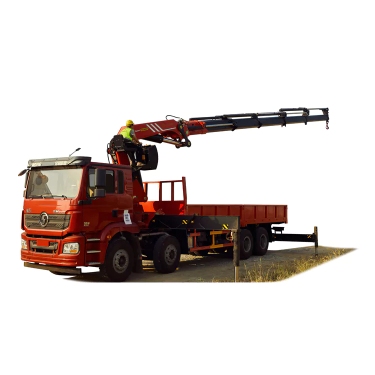
Affordable truck mounted crane options exist, but factor in total ownership. Initial prices vary by size, from $6,000 for basics to $200,000+ for advanced ones.
Upfront vs Long-Term Expenses
Buying used truck mounted crane tips: Check service records and test lifts. A bad buy leads to repairs eating savings.
Maintenance and Operational Costs
Regular checks on hydraulics and booms prevent breakdowns. Parts availability keeps downtime short—stock common items.
Training operators cuts accidents, lowering insurance. One firm reduced claims by 25% through certified programs.
Fuel, tires, and filters add up. Efficient models pay back over time, especially in high-use scenarios.
| Cost Factor | Estimated Range | Tips to Manage |
| Purchase Price | $6K – $200K+ | Compare specs across suppliers |
| Annual Maintenance | $5K – $15K | Schedule routine inspections |
| Fuel/Operation | $10K – $30K/year | Opt for efficient engines |
| Insurance | $2K – $8K/year | Train staff for lower rates |
This table shows where money goes. Smart choices here build your brand as reliable and cost-effective.
Safety Features You Can’t Skip
Safety builds trust in your team and clients. Truck mounted crane safety features include overload sensors that beep before limits hit.
Built-In Protections
Anti-tip systems use outriggers with level indicators. Emergency stops halt everything fast.
Cab designs offer wide views, reducing blind spots. Sealed units cut noise, keeping operators alert.
Regulations like OSHA demand certifications—non-compliance risks shutdowns.
Training and Compliance Essentials
Operators need hands-on practice. Simulators help master controls without real risks.
Site assessments spot hazards early. A bridge repair team avoided issues by mapping overhead lines first.
Strong safety records elevate your company’s reputation, attracting better contracts.
After-Sale Support and Reliability
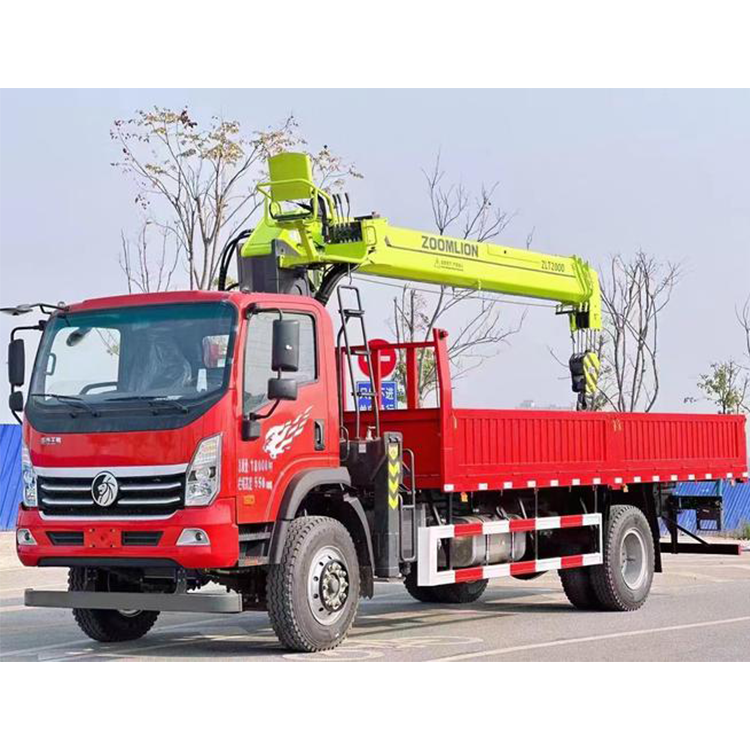
Good support turns a purchase into a partnership. Truck mounted crane maintenance plans extend life, with quick part deliveries.
Warranties cover major fixes, often 1-2 years. Dealer networks provide local help, cutting travel time.
Feedback loops from users refine choices. A utility group praised responsive service for minimizing outages.
Meet MachPlaza
Before wrapping up, let’s spotlight a key player in this space. MachPlaza stands out as a trusted truck mounted crane supplier, exporting quality Chinese machinery with full services from machines to spares. They focus on customer ops, offering tailored solutions through a wide network. Check their about page for more on their commitment to long-term ties. Their product lineup includes robust options, and you can explore specifics on their crane category. For overall insights, visit the main site.
Conclusion
Wrapping this up, a smart truck mounted crane buying guide boils down to matching specs with your work, balancing costs, and prioritizing safety. Right choices boost efficiency, cut risks, and strengthen your operations. Dive into details, compare options, and you’re set for success.
FAQs
What to look for in a truck mounted crane when starting out?
Focus on capacity that fits your loads, plus easy mobility for your sites. Test controls for comfort during long shifts.
How does truck mounted crane vs mobile crane compare for urban jobs?
Truck versions move faster on roads, suiting quick city hops, while mobiles handle heavier off-road lifts but travel slower.
What impacts truck mounted crane price factors most?
Size and features drive costs—basic models start low, but add-ons like advanced hydraulics bump it up.
Are crane truck features like auto-stabilizers worth the extra?
Yes, they enhance safety and speed setup, paying off in busy environments by reducing manual adjustments.
How often should truck mounted crane specifications be reviewed for upgrades?
Yearly checks align with changing regs and job needs, ensuring your gear stays competitive.
