
Tractor Truck Essentials: What They Are, How They Operate, and Vital Components

Industry News

2025/12/25
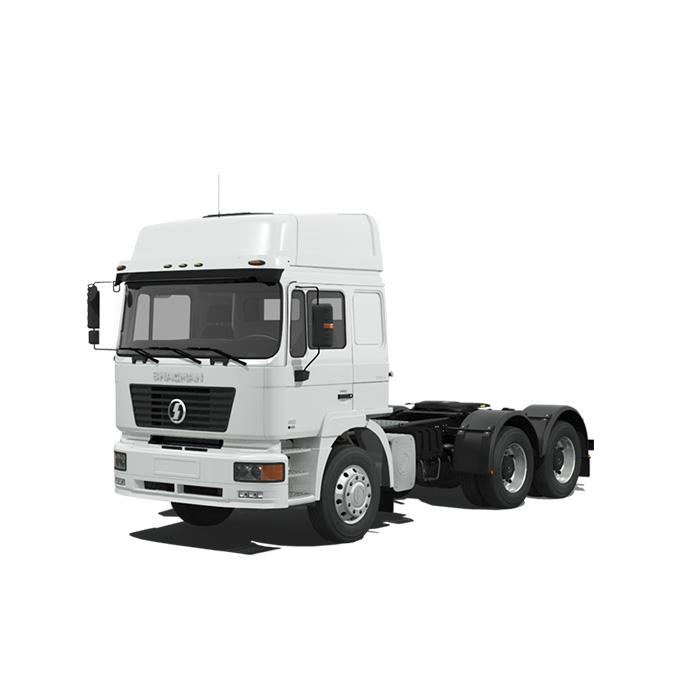
Tractor trucks carry big loads on roads all the time. These strong machines make up the main part of shipping goods. Think of a driver going through wet streets, towing tons of stuff without trouble. That’s common in shipping. If you’re starting out with big vehicles or want to learn more, this post explains it all. We’ll go over the simple stuff, from what they mean to how they run. Getting this helps companies save money on breaks and makes moving things smoother. Tractor trucks shift items that help businesses grow. They deal with building supplies to store items. In America, they move more than 70% of heavy freight, based on reports. So, let’s jump in and see what keeps them going.
What is a Tractor Truck?
A tractor truck, often called a semi-truck or prime mover, pulls trailers loaded with cargo. It hooks up using a fifth wheel link. This lets you change loads fast. Different from box trucks with set bodies, tractor trucks aim at pulling. They show up in setups like short cabs for quick runs or sleep cabs for long trips.
These rigs do well in tough jobs. For example, at build sites, they drag tool trailers. In warehouses, they move boxes from docks to stores. Their build stresses strength and toughness. Usual empty weights sit between 15,000 and 25,000 pounds. But they can haul trailers up to 80,000 pounds total. Safety bits like air stops keep things steady with weight. Rules control their work, including drive time limits. Knowing this aids bosses in picking the best one for tasks. It cuts down on damage and gas waste.
Tractor trucks fit many fields. Farms use them to carry crops. Shops count on them to fill racks across the land. Their spot in world trade stands out. With online shopping up, need for solid tractor trucks rises. Firms deal with tight deadlines and low smoke rules. New ones add tools like maps for paths. This change makes them key in our quick world.
How Does a Tractor Truck Work?
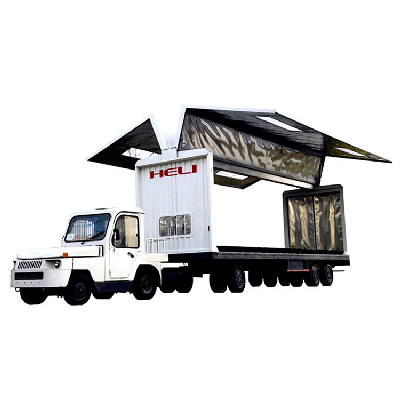
Tractor trucks turn fuel into movement with linked parts. At the heart, diesel motors give the pull for heavy work. Gas burns in tubes, shoving rods that spin the main shaft. This force goes to wheels through drive lines. Drivers handle speed with gas pedals and shifts. Watchers check oil push to smoke heat. On streets, these rigs climb hills by changing gears on their own in some kinds. Upkeep spots stop fails on far trips.
The start happens when you twist the key. Power from cells sparks the kick motor. Once going, the motor pulls in air and gas. Burning hits quick, up to 2,000 times a minute in fast spins. Waste air leaves through quieters, often cleaned for fresh out. Cool lines move liquids to stop hot spots. In chill weather, warmers heat blocks. All this keeps things even over miles.
The Powertrain System
Power flows from the engine to the transmission first. Here, gears multiply torque for starting or climbing hills. Manual transmissions require clutch work, while automatics shift seamlessly. From there, driveshafts connect to differentials in the axles. These split power between wheels, allowing turns without skidding. In tandem axle setups, common for heavy loads, multiple wheels share the burden. This system lets trucks pull 40-ton trailers up 6% grades at highway speeds.
Real-world examples show its strength. A truck leaving a loading dock engages low gears to build momentum. As speed increases, higher gears kick in for fuel savings. Industry data indicates efficient powertrains cut diesel use by 10-15% on flat routes. Drivers watch gauges to spot issues early, like slipping clutches.
Steering and Suspension
Steering keeps the truck on course. Hydraulic power assists turn the front wheels with minimal effort. Tie rods and kingpins link components for precise control. Suspension absorbs bumps from potholes or uneven loads. Air bags or leaf springs cushion the ride, protecting cargo. In rough terrain, like gravel roads to job sites, this setup prevents frame twists.
Connections between sections matter too. The fifth wheel locks the trailer securely. Kingpins pivot for tight maneuvers in yards. During highway driving, stability comes from wide wheelbases, often 200 inches or more. Stats from transport studies reveal well-maintained steering reduces accident risks by 20%. Operators perform daily inspections to check fluid levels and wear.
Braking Mechanism
Brakes stop the massive weight safely. Air brakes dominate, using compressed air to press pads against drums or discs. Engine brakes, or Jake brakes, slow descent on hills by restricting exhaust. ABS prevents lockups in wet conditions. Dual circuits provide backup if one fails. On steep downgrades, drivers apply steady pressure to avoid overheating.
In emergency stops, from 60 mph, a loaded truck needs about 300 feet—longer than an unloaded car. Fleet records show regular brake adjustments extend pad life to 100,000 miles. This reliability saves lives and cargo.
Key Parts of a Tractor Truck Explained
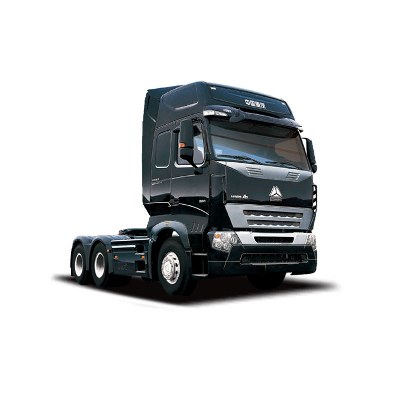
Key parts make up the tractor truck’s structure and function. Each plays a role in performance and safety. Below, a table outlines major components with their purposes.
| Part | Function | Common Specs/Example |
| Engine | Generates power through combustion. Handles high torque for pulling. | 300-500 horsepower, diesel-fueled. |
| Transmission | Transfers engine power to wheels via gears. Allows speed adjustments. | 10-18 speeds, manual or automatic. |
| Axles | Support weight and drive wheels. Differentials distribute power. | Tandem setups for loads over 40,000 lbs. |
| Cab | Houses driver with controls and comforts. Includes seats, dashboards. | Ergonomic designs for long hours. |
| Fifth Wheel | Couples to trailer kingpin. Enables pivoting for turns. | Locking mechanism rated for heavy pulls. |
| Suspension | Absorbs shocks from roads. Maintains tire contact. | Air ride systems for smooth hauls. |
| Brakes | Stops vehicle using air pressure. Includes emergency features. | Disc or drum, with ABS integration. |
| Tires | Provide traction and support load. Duals on drive axles. | 11R22.5 size, rated for highway use. |
These parts interact daily. For example, the engine powers the compressor for air brakes. Wear on axles affects fuel economy by 5-7%, per maintenance logs. Bullet points highlight care tips:
- Check fluid levels weekly to avoid seizures.
- Inspect couplings before each trip for secure locks.
- Rotate tires every 10,000 miles for even wear.
- Clean filters monthly to boost efficiency.
Understanding these elements aids in spotting problems early. Mechanics use diagnostic tools to scan for codes in electronic controls. This depth ensures trucks stay roadworthy.
Trucks rely on electrical systems too. Batteries start engines and power lights. Alternators recharge during runs. In modern units, telematics track performance in real time.
Meet MachPlaza: Your Go-To Tractor Truck Supplier
MachPlaza stands out as a trusted supplier of tractor trucks and other commercial vehicles. Based in China, the company exports a wide array of heavy machinery worldwide. They offer units suited for various hauling needs, from light to heavy-duty applications. With gross vehicle weights up to 20,000 kg, their options fit diverse cargo transport scenarios. A dedicated team handles everything from sales to after-sales support, ensuring timely deliveries and quality checks. Clients benefit from competitive pricing and customized solutions. Whether you’re expanding a fleet or replacing old equipment, MachPlaza provides reliable choices backed by logistics expertise.
Conclusion
Tractor trucks drive the heart of modern logistics. From basic definitions to detailed operations, grasping these machines empowers better decisions in transport. Key parts like engines and brakes demand regular attention for peak performance. As industries evolve, staying informed on these essentials builds stronger operations. Reliable suppliers play a key role in accessing quality units. This knowledge not only improves efficiency but also enhances safety on the roads.
FAQs
What makes a tractor truck different from other commercial vehicles?
A tractor truck focuses on towing trailers, unlike fixed-body trucks. It uses a fifth wheel for quick swaps, ideal for flexible hauling in logistics.
How does a tractor truck work on long hauls?
It relies on a diesel engine for power, with transmissions shifting gears for efficiency. Suspension and brakes handle loads, ensuring stable runs over hundreds of miles.
What are the key parts of a tractor truck to maintain?
Focus on the engine, axles, and fifth wheel. Regular checks prevent breakdowns, extending life to over 500,000 miles in many cases.
Why choose a tractor truck for heavy cargo?
These units offer high torque and durable builds. They pull trailers up to 80,000 pounds, making them essential for construction and freight sectors.
How can I find a reliable tractor truck supplier?
Look for exporters with strong networks and customer support. Options like those from MachPlaza provide varied configurations for specific needs.
