
Tower Cranes The Ultimate Guide

Industry News

2026/01/16

Tower cranes dominate skylines in bustling cities. These machines lift heavy loads high above ground level. Construction teams rely on them daily. But what makes them tick? This guide breaks it down step by step. From basic setup to safety rules, you’ll get the full picture. Stick around to see how they fit into real-world jobs.
Knowing the ins and outs helps project managers pick the right equipment. It also boosts site efficiency. Let’s start with the core pieces that hold everything together.
Key Components of Tower Cranes
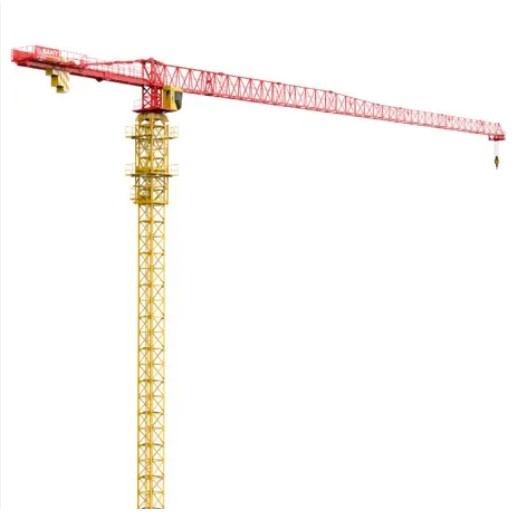
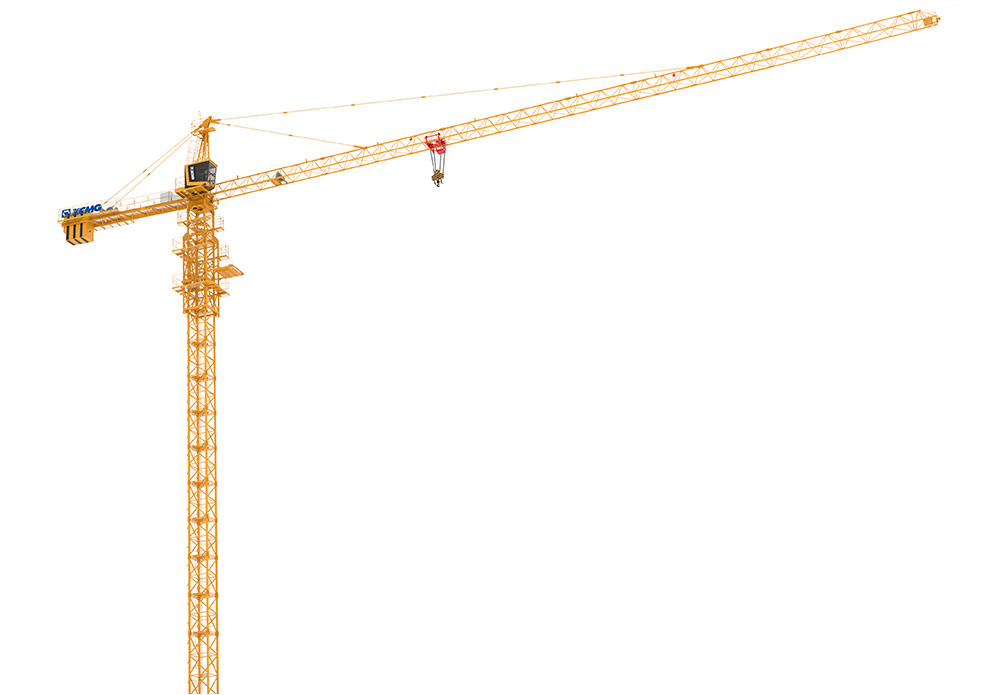
Every tower crane has a few main parts that work in sync. The mast stands tall, like a backbone. It supports the whole structure. Made from steel sections, it grows as the building rises. The slewing unit sits on top. This part lets the crane spin 360 degrees. Smooth turns mean precise load placement.
The jib extends out, carrying the load. Counterweights balance it on the other side. Without them, the crane tips over. The hoist mechanism pulls materials up. Cables and pulleys do the heavy lifting. Controls in the cab manage speed and direction. Operators sit high up, with clear views of the site.
These elements combine for strength and reach. For example, in a downtown high-rise project, the jib swings steel beams into place without a hitch. But components vary based on the crane’s design. That brings us to the different styles used on jobs.
Different designs suit specific needs. Some handle tight spaces better. Others excel in windy conditions. Exploring these options shows why one type fits a project over another.
Types of Tower Cranes
Construction sites use several types of tower cranes. Hammerhead models feature a horizontal jib. The trolley runs along it to move loads. They offer stability for standard builds. Luffing jib versions angle the arm up or down. This reduces swing radius in crowded urban areas. Self-erecting cranes fold for easy transport. They set up fast on smaller sites.
Each type has its place. Hammerheads work well for broad, open projects. Luffing jibs shine where space is limited, like near existing buildings. Self-erecting ones save time on short-term jobs. Picking the right one cuts delays. Sites with height restrictions often go for luffing designs to avoid obstacles.
Once chosen, getting the crane ready takes careful planning. Assembly isn’t quick. It demands skilled crews and the right tools.
How Tower Cranes Are Assembled
Assembly starts with the base. A concrete foundation anchors the mast. Trucks deliver sections piece by piece. A mobile crane lifts them into position. Workers bolt mast parts together, adding height gradually. The slewing unit goes on next. Then the jib and counterweights.
The process can take days. For a 200-foot crane, crews add sections weekly as the building grows. Dismantling reverses the steps. Safety checks happen at every stage. One loose bolt spells trouble. On a recent bridge project, precise assembly kept timelines tight despite bad weather.
With the crane up, operators take over. Controls make or break efficiency.
Operating a Tower Crane
Operators climb to the cab each day. Joysticks control the hoist and slew. Radios connect them to ground teams. Loads must balance perfectly. Wind speed matters—gusts over 20 mph halt work. Training covers these basics. Certified pros handle the machine with ease.
Daily routines include pre-shift inspections. Check cables for wear. Test brakes. In action, the crane lifts concrete panels smoothly. One wrong move risks accidents. Skilled operation keeps sites running without stops.
Safety ties directly into this. Rules prevent mishaps before they start.
Essential Safety Measures for Tower Cranes
Tower crane safety regulations demand regular checks. Inspect foundations for cracks. Secure all pins and bolts. Weather monitoring is key. High winds cause sway, so anemometers track speeds. Load limits prevent overloads—never exceed rated capacity.
Ground crews wear hard hats and stay clear of swing zones. Signalers guide lifts. In one case, strict protocols avoided a near-miss during a storm. Training programs cover emergency stops. Compliance cuts risks by up to 50 percent, based on industry reports.
| Safety Aspect | Key Practices |
| Load Management | Stick to weight charts; use tag lines for control |
| Site Layout | Mark exclusion zones; install anti-collision systems |
| Operator Health | Limit shifts to 8 hours; require medical checks |
| Emergency Prep | Have evacuation plans; test alarms weekly |
These steps build trust on site. Maintenance follows suit to keep everything reliable.
Regular upkeep extends crane life. It spots issues early.
Maintenance and Inspection Tips
Daily wipes clean dust from controls. Weekly lubes keep joints moving. Monthly inspections scan for rust or cracks. Cables need replacement every 1,000 hours of use. Records track all work. A well-maintained crane runs 20 percent more efficiently.
Bullet points for a quick checklist:
- Check hydraulic fluid levels.
- Inspect electrical wiring for frays.
- Test limit switches.
- Clean filters to avoid clogs.
On long projects, this routine saves thousands in repairs. It also ties into where these machines shine most.
Tower cranes handle diverse tasks. Their versatility shows in various settings.
Common Applications in Construction
High-rise buildings depend on them for lifting rebar and glass. Bridge work uses them to place girders over rivers. Wind farms erect turbines with their reach. In urban renewals, they maneuver in tight spots without disrupting traffic.
For instance, a 40-story tower in a city center relied on two cranes working in tandem. They hoisted materials non-stop, finishing ahead of schedule. Such uses highlight their role in big infrastructure pushes.
Costs come into play here. Budgeting right makes projects viable.
Environmental Impact and Sustainable Practices
Tower crane wind speed safety links to eco-friendly ops. Stable designs handle gusts, minimizing downtime. Hybrid engines lower fuel use by 15 percent. Recycling old parts cuts waste. Sites now aim for green certifications, favoring low-impact cranes.
In a coastal project, wind-resistant features kept work steady, saving energy. Sustainability boosts company reps. Clients prefer partners who prioritize the planet.
Meet MachPlaza
As a leading exporter of Chinese construction machinery, MachPlaza delivers complete machines, parts, and accessories. The team handles everything from sales to after-sales support. Competitive prices and on-time delivery build lasting ties. Check out the full range on the product page. Our approach ensures clients can get tailored solutions for tough jobs.
Tower cranes transform construction. They lift projects to new heights—literally. Grasping their workings builds better decisions. From assembly to safety, each part matters. As tech advances, these machines get smarter and greener. Sites that master them stay ahead.
FAQs
What are the main types of tower cranes used in construction?
Common types include hammerhead for open sites, luffing jib for tight spaces, and self-erecting for quick setups. Each suits different project scales.
How do you ensure tower crane safety on a busy site?
Follow regulations with daily inspections, wind monitoring, and load limits. Train teams and mark zones to prevent accidents.
What factors influence the cost of using a tower crane?
Height, capacity, and site location play big roles. Setup and transport add to the bill, but efficient use cuts overall spend.
Why choose a luffing jib tower crane over others?
It angles the arm to reduce swing space, ideal for urban builds near structures. This design boosts efficiency in crowded areas.
How often should maintenance occur for tower cranes?
Daily checks for basics, weekly lubes, and monthly full inspections keep them running smooth. Track hours for part replacements.
