
The Full Guide to Asphalt Mixing Plants: Key Tips for Best Results

Industry News

2026/02/19
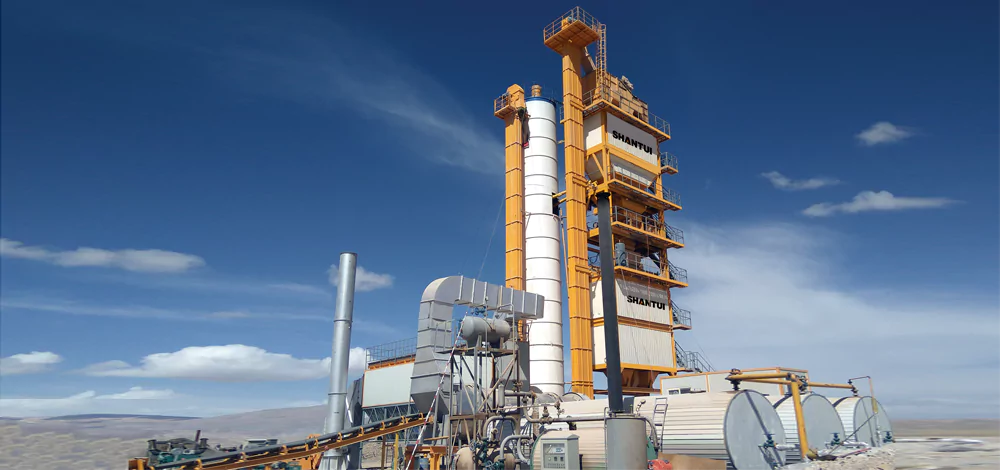
An asphalt mixing plant is a very important tool in the road building field. It helps make roads, whether new or old ones. These plants help create good asphalt. For companies and workers who want to use these plants well, knowing the main parts, kinds, and how to run them is key. This helps boost work speed, safety, and save money.
In this full guide, we look at basics to advanced ideas about asphalt mixing plants. We want to give you info to make smart choices and better your work.
What Is an Asphalt Mixing Plant?
An asphalt mixing plant is a place that makes hot mix asphalt (HMA) for building and fixing roads. It has machines that heat, dry, and blend rocks like sand, gravel, and crushed stones with bitumen (asphalt). These plants make sure asphalt is steady and meets road rules.
Key Components of Asphalt Mixing Plants
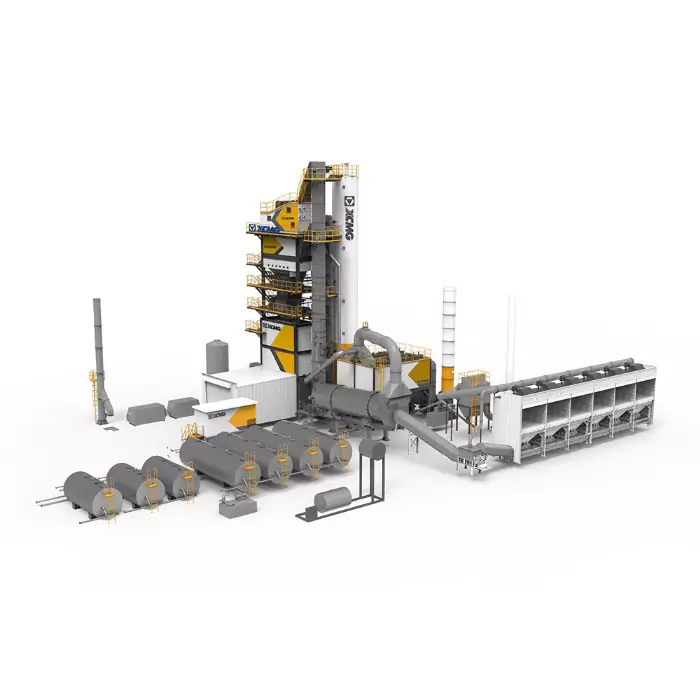
Drying Drum: This is a turning drum that warms and dries the rocks before blending.
Cold Feed Bins: These hold different kinds of rocks.
Bitumen Tank: It keeps bitumen warm for blending.
Mixer: Here, dry rocks and bitumen mix.
Control System: It lets the worker run the blending and change things like heat and time.
Types of Asphalt Mixing Plants
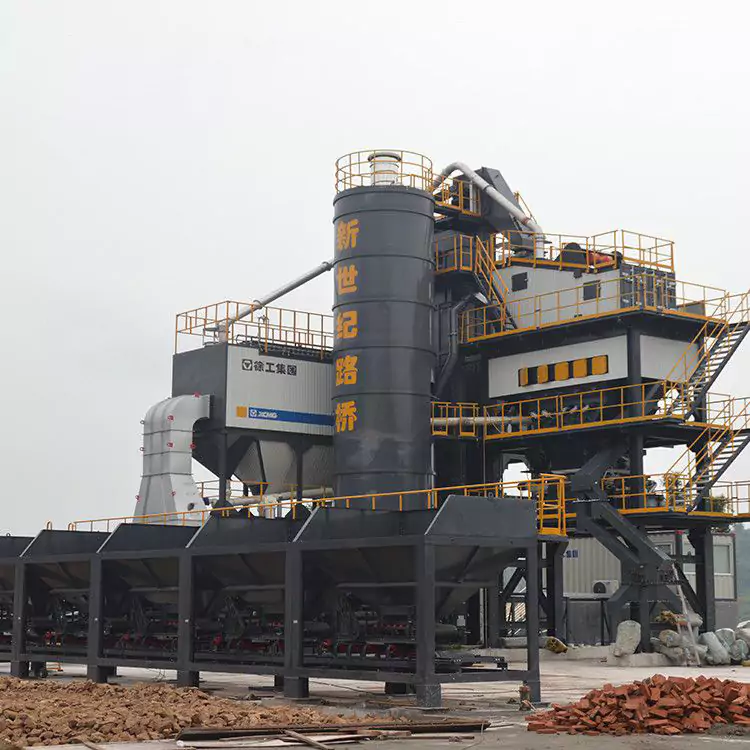
Asphalt mixing plants come in a few kinds. Each fits different jobs. The main groups are these.
1. Batch Mix Asphalt Plant
The batch mix plant makes asphalt in groups. Each round finishes one group. This kind gives exact control over mix quality. It works well for jobs that need many asphalt types or small amounts.
Advantages:
It gives good control over mix parts.
It fits for top-quality, different mixes.
It allows flexible making.
2. Drum Mix Asphalt Plant
In a drum mix plant, rocks and bitumen blend all the time in a drum. This kind is quick and cheap for big jobs that need non-stop asphalt. It is simple and uses less power.
Advantages:
It makes asphalt without stops.
It has high output for large jobs.
It has low running costs.
3. Mobile Asphalt Plant
A mobile asphalt mixing plant is made to move easy from one spot to another. These plants are good for jobs with little room or when moving often is needed.
Advantages:
It is easy to carry and change.
It sets up fast.
It fits small, far-away build spots.
Understanding the Mixing Process
The way to blend asphalt is vital for steady, strong, and good work. Let’s split the main steps of making asphalt.
1. Aggregate Heating and Drying
First, dry and warm the rocks. A turning drum dryer often does this to take out water and ready the rocks for bitumen. You must control heat well. This stops over-drying, which can hurt mix quality.
2. Mixing the Aggregates with Bitumen
After drying, rocks go to a blending drum. There, bitumen joins them. The blending makes sure bitumen covers rocks even. This creates a smooth mix. Control time and heat to avoid too much heat on bitumen. And get the right feel.
3. Storage and Delivery
After blending, asphalt stays in a silo. It keeps warm until sent to the work site. For big jobs, hot silos hold the heat of the mix.
Factors Influencing Asphalt Plant Performance
Many things affect how well an asphalt mixing plant works. If workers know these, they can make output better and cut costs.
1. Plant Maintenance
You need regular care to stop breaks and keep things running smooth. Check main parts often, like the drying drum, mixers, and controls. This finds problems early.
2. Quality Control
Quality checks are key for good asphalt. Make sure stuff used fits the needs. This avoids bad mixes. Watch heat and water in rocks, plus bitumen amount, all the time. It keeps mix good.
3. Environmental Considerations
Making asphalt uses lots of power. You must handle air dirt and trash. New plants have ways to catch dust and clean smoke. This cuts harm to nature.
The Role of Technology in Asphalt Mixing Plants
Tech has made asphalt mixing plants better and easier to use. Now, plants have auto controls. Workers can watch and change settings right away. These help use power well, make better asphalt, and cut costs.
Key Tech Features:
Advanced Control Systems: They let workers handle all blending parts, like heat, bitumen amount, and time.
Remote Monitoring: Some plants let you check data from far. This aids choices and fixes.
Energy-Saving Tech: New plants use ways to save heat and better blending.
Benefits of Investing in a Quality Asphalt Mixing Plant
Putting money in a good asphalt mixing plant gives long perks for road build companies.
1. Improved Production Efficiency
A cared-for plant gives high output with few stops. So, jobs finish quicker and cost less.
2. Better Asphalt Quality
A solid plant makes steady asphalt quality. This is key for road life and safety. Good asphalt makes roads last longer. It cuts fixes.
3. Cost Savings
By making the process best and less waste, companies cut cost per ton. Plus, power-saving plants drop fuel and care costs. This saves a lot over time.
MachPlaza: Your Trusted Asphalt Mixing Plant Supplier
MachPlaza leads in giving asphalt mixing plants. They offer many good tools made for road build needs. They focus on happy buyers and long ties. MachPlaza gives not just great machines but also pro help and back-up for the whole plant life.
If you want a fixed batch mix plant or a mobile one for a job, MachPlaza has answers. They mix new ideas, trust, and good prices.
Conclusion
Asphalt mixing plants are key in road building. They make sure roads use strong, good stuff. Know the kinds, how they work, and what affects them. This can make your work much better. Put money in right tools and care for them well. Companies can get better speed, quality, and save money in making asphalt.
Frequently Asked Questions
1. What is the difference between batch mix and drum mix asphalt plants?
Batch mix plants make asphalt in groups. They give exact control over the mix. Drum mix plants make it without stops. They are quicker for big work.
2. How can I ensure the quality of asphalt produced by my plant?
Do regular checks. Watch heat, water levels, and bitumen amount. This makes sure asphalt fits the rules.
3. Are mobile asphalt mixing plants suitable for large projects?
Mobile plants give easy move and change. But they fit better for small jobs or spots that need often moves.
4. How often should an asphalt mixing plant be maintained?
Do care at least every six months. It depends on use. Check drying drum, mixers, and controls often for best work.
5. Can asphalt mixing plants be automated?
Yes. New ones have advanced systems. They auto many steps. This makes work quicker and needs less hand work.
