
Skid Steer Loader Essentials for Your Projects

Industry News

2026/01/22
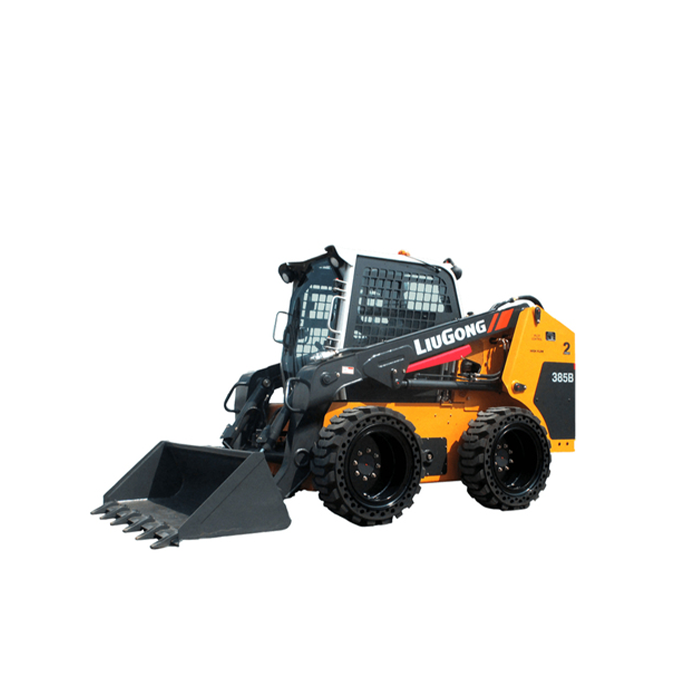
Skid steer loaders shine in building and yard work because of their small build and handiness. These machines fit into narrow spots where big gear can’t reach. They help with jobs like cutting ditches or shifting loads. If you want to speed up work on the job, knowing their main points can guide you to choose the best one. And you can run it well too.
What is a Skid Steer Loader?
A skid steer loader is a little machine run by an engine. It has arms that lift and hook up to different tools. The name comes from how it spins. It skids wheels on one side but drives the other. This lets it make quick turns in tight places, like city build areas or small farms.
Many types weigh from 1,500 to 4,000 pounds. Their load limits run from 500 to more than 2,000 pounds. They use diesel or gas motors that give power from 20 to 100 horses. The fluid system runs the add-ons. So you can change from a scoop to forks fast.
This setup works for folks who need one unit for many tasks. For instance, on a home build, it clears junk in the morning. Then it flattens dirt by noon.
Key Components of a Skid Steer Loader
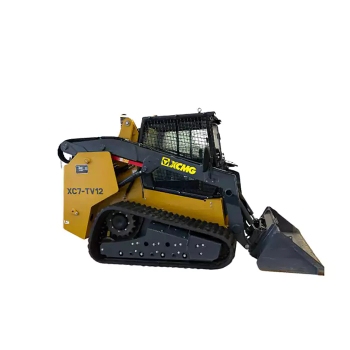
The main body is the base. It’s made from steel to handle daily knocks. Wheels or tracks give grip. Rubber wheels suit hard roads, but tracks hold better in mud.
The operator area shields the driver. It often has tip-over guards and closed sides to keep out dirt. Inside, sticks control turns and lifts. Pedals handle speed.
Fluid power does the heavy work. Pumps send liquid to tubes that raise arms or tip scoops. Fast-link hooks make tool swaps easy. That cuts wait time.
Motors differ, but lots use setups that save fuel by up to 15 percent over old kinds. Cooling parts keep it steady under stress.
All these bits join to make a solid helper. In real use, a cared-for one can run thousands of hours with few big problems.
From the main ideas, now let’s look at where these machines do best in daily jobs.
Common Uses of Skid Steer Loaders
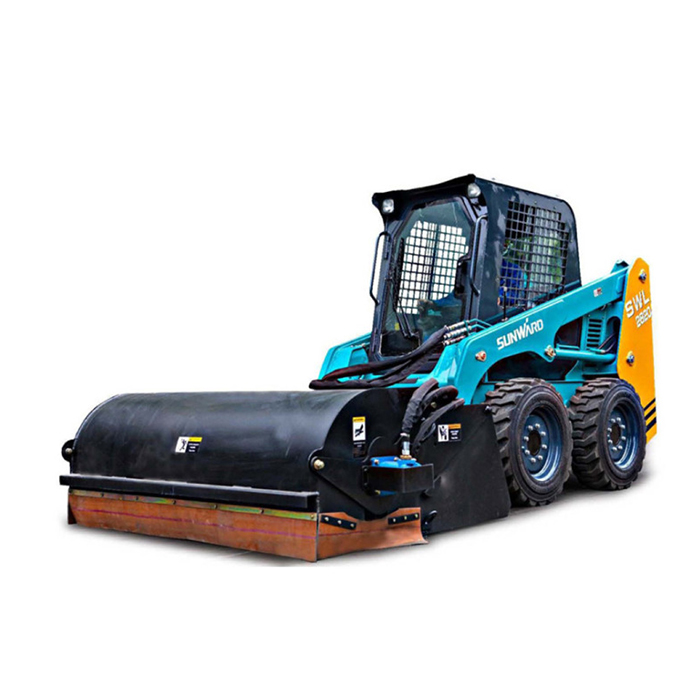
Skid steer loaders deal with lots of work in various fields. In building, they cut bases, fill back holes, and carry stuff like rocks or sand. On a normal site, one might fill trucks with dug earth. That saves lots of hand work time.
Yard folks count on them to smooth dirt, set trees, or lay grass. With a digger add-on, you can put water lines in a yard without messing up the whole grass.
On farms, they shift hay stacks, clear animal pens, or spread waste. Think of a milk farm where the loader moves feed spots each day. It handles 1,000-pound weights with ease.
In storage spots, forks make it a small lifter for piling boxes. Winter crews use blades or fans to clean lots. They often cover 10,000 square feet in less than an hour.
Tear-down jobs gain from claws that grab and break junk. Power companies use drills to make holes for posts. That hurries setups in hard ground.
Handiness comes from add-ons. Scoops for picking up, brushes for cleaning, or cutters for brush removal. Each changes out quick.
Skid Steer Loader in Construction Sites
Building needs exact work in close spaces. These loaders do great at readying spots, like evening rough ground before cement pours. They can raise steel bars that weigh 800 pounds. And put them right where you need.
In road fixes, they spread blacktop patches or break old paths with hammers. Drivers often move around set buildings. They spin sharp to skip hold-ups.
Applications in Landscaping and Farming
Yard workers use them to form shapes or build hold walls. A power hammer cracks hard soil. That lets roots go deeper in plant beds.
Farm hands like the go-anywhere skill. Tracks stop sinking in damp fields at pick time, where wheel types might stick.
Such cases show how one machine fits many needs. It lowers costs on buying extra gear.
After uses, think about what traits count when picking a type for your work.
Essential Features in Skid Steer Loaders
Power level changes how much you lift and how quick. Motors with 50 horses fit light jobs, but 70 or more take heavy stuff like cement chunks.
Fluid flow speeds decide add-on work. More gallons each minute mean faster rounds for digging or dumping.
Driver comfort cuts tiredness. Movable seats, air control, and quiet sounds—below 80 decibels—help keep focus on long days.
Clear view aids safety. Big windows and back cameras spot blocks, mainly in busy spots.
Handles should seem natural. Stick setups let fine moves, like easing the scoop to spread stuff even.
Wheel or track picks rely on ground. Over-wheel tracks add float on soft dirt without lasting shifts.
Fuel saving stretches cash. Types that use 2 gallons an hour under weight help budgets.
Hydraulic Systems and Attachments
Fluids run all from lifts to spins. Basic setups give 20 gallons a minute, but fast-flow ones reach 30 for tough tools like cutters.
Add-ons grow skills. Box forks move goods, claws hold wood, and cleaners sweep ways. Each links by common plates for simple changes.
Right pairing stops strain. A slow-flow unit with a high-need tool drags work and risks harm.
Engine Types and Performance
Diesel motors lead for pull in hard tasks. They give steady push at low turns, good for shoving dirt heaps.
Some use rule-meet designs to follow air rules. They mix work with cleaner runs.
Easy fix spots speed care. Covers that flip full show filters and straps, cutting fix time.
Such traits make sure the loader matches your exact wants. That brings better output.
Now turning to runs, safe and good use needs knowing the basics.
How to Operate a Skid Steer Loader Safely
Begin with a before-check. Look at wheels, liquids, and add-ons for wear. Walk round to remove risks.
Get in the area, strap in, and drop the guard bar. Get used to handles—left stick for drive, right for arms.
To go, push ahead soft. Skid spins need try; turn wheels opposite for spot turns.
Carry weights low for steady. Skip steep hills over 15 degrees to stop flips.
When hooking tools, line pins and lock tight. Try actions before full go.
While running, hold speeds below 10 mph on bumpy ground. Sound alerts in hidden spots.
Stop means park on flat, drop arms, and shut motor.
Lessons cut mishaps by 50 percent, from field facts. Always put on guards like hard hats and hand covers.
Safety Tips for Skid Steer Operation
Never go over set weight—too much causes tips. On a 1,200-pound type, stay under that.
Watch for folks near; keep 10 feet away. In small spots, use watchers.
Fluid drips need quick stops. Tiny leaks can cause slips or flames.
Normal practices build fast recall for troubles, like sudden halts.
These ways keep areas smooth and free of hurts.
Past runs, keeping the unit fit stretches its days.
Maintenance Tips for Skid Steer Loaders
Each day, check grease on pins and oil amounts. Clean junk from coolers to skip hot runs.
Each week, look at tubes for splits and firm bolts. Swap air cleaners every 200 hours for good air.
Fluid changes every 1,000 hours stop breaks. Pick the right thick for your weather.
Track tight needs tweaks; loose slip, tight wear quick.
Keep inside to block rain. Wrap open bits when not used.
Expert checks every 500 hours find problems early, like worn wheels.
Sticking to plans can double life, from 5,000 to 10,000 hours.
Common Maintenance Issues and Fixes
Blocked cleaners drop power; wash or swap soon.
Leaky tubes often from seals—fix kits mend most.
Battery dirt stops starts; clean ends with soda mix.
Fixing these holds down wait time.
With care done, think on picking the top match for your wants.
Choosing the Right Skid Steer Loader
Build size counts—small types under 60 inches wide slip thin gates, big ones over 70 take larger weights.
Check lift reach; some hit 10 feet for piles, others 8 for floor jobs.
Think radial vs up lift ways. Radial fits cuts, up for truck fills.
Plan cash for add-ons first; base plus tools cost $20,000 to $40,000.
Try a run if can to sense control. Look at sell-back worth for long costs.
Fit to your chief tasks—yard wants quick units, build needs strong ones.
This way gives worth over time.
Meet MachPlaza
As a top sender of Chinese build gear, MachPlaza gives skid steer loaders with extra bits and add-ons. The group aims at full answers, from units to on-time sends. With links to makers, it fills varied buyer wants around the world. It stresses good make and custom help through the gear days.
wrap up
To wrap up, skid steer loaders bring small power for mixed jobs, from build to farm. Choosing right traits and caring well leads to steady runs and money saves.
FAQs
What is a skid steer loader used for?
Skid steer loaders take on digging, lifting, and shifting stuff in build, yard, and farm fields. They change for tasks like smoothing dirt or cleaning snow with varied add-ons.
How do skid steer attachments work?
Add-ons link by fast hooks on lift arms. Fluids run them, letting changes between scoops, forks, or drills in under a minute for handy use.
What are key skid steer maintenance tips?
Look at liquids each day, grease spots each week, and swap cleaners every 200 hours. Steady checks stop problems like drips and keep the unit going well.
How to choose a skid steer for small farms?
Seek small types with tracks for soft dirt and power enough for hay shifts. Think lift weight near 1,000 pounds and simple add-on swaps.
Are skid steer loaders safe to operate?
Yes, with right lessons and guards on. Always check before go and skip overloads to cut risks on spot.
