
Scissor Lifts: The Everyday Heroes of Aerial Work

Industry News

2025/12/05
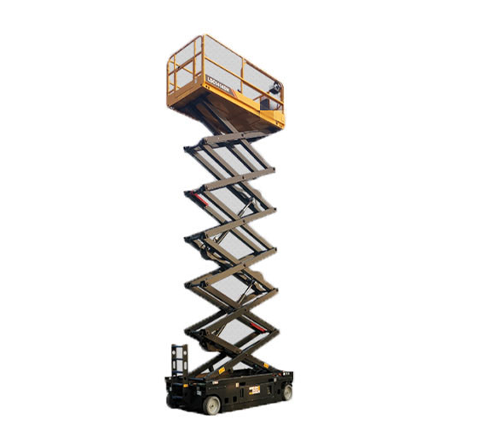
You spot them on nearly every job site these days. Warehouses, repair shops, you name it—they’re there. Scissor lifts aren’t the showy type. They don’t swing out like boom lifts or reach crazy distances. Yet they handle the job safely and get it done fast. Day in, day out. That’s why scissor lifts have turned into such common and important aerial equipment for construction crews, facility teams, and factory workers.
How a Scissor Lift Really Works
Imagine an accordion you fold and unfold. That’s the basic idea behind a scissor lift. Those connected metal arms—the scissor stack—fold flat when the platform comes down. Then they stretch tall when it rises. Hydraulic cylinders or electric motors push the arms apart. The platform goes straight up, nice and steady.
There’s no side reach. No tricky moving parts. Just clean, vertical lift. This simple setup is what keeps them so dependable and easy to use.
Key Parts You’ll See on Almost Every One
- Strong base with wheels or tracks
- The scissor arms themselves
- Roomy platform with rails on every side
- Controls both up top and at ground level
- Power source—either battery or engine
When it’s lowered, the whole thing stays compact. It slips right through regular doors. It rides on freight elevators without a fuss.
Why Scissor Lifts Show Up Everywhere
People keep choosing scissor lifts for three straightforward reasons: they keep workers safe, they speed up the job, and they save cash.
Safety You Can Count On
Falling is still the top cause of bad injuries on sites. A solid scissor lift cuts that danger way down. The platform has rails all around, plus toeboards and a locking gate. Workers move freely without fear of slipping off. Most electric ones drop pothole guards automatically to stop tips on bumpy floors. Tilt alarms and overload sensors shut things down if anything seems off. Even if power cuts out, emergency valves bring you gently back to the ground.
Jobs Finish Quicker
The platform is big enough for two or three people, plus tools and supplies. You raise it once. Everyone works at a comfy height for hours. No more wobbling on ladders. No time wasted building flimsy scaffolds. Painting, wiring, pipe work, or stocking shelves—it all happens faster.
They Pay for Themselves
Purchase cost less than boom lifts most days. Upkeep is simple. Electric models run quiet and clean, perfect for inside spaces with no extra fans needed. Diesel or rough-terrain ones tackle outdoor jobs just fine. Either way, you get gear that shows up, works hard, and keeps extra costs low.
The Main Types You’ll Come Across
Scissor lifts aren’t all the same. Here’s a simple breakdown most folks use:
| Type | Power Source | Great For | Usual Height | Indoor or Outdoor |
| Slab/Electric | Battery | Warehouses, stores, plants | 5–15 m | Mostly indoor |
| Rough-Terrain | Diesel/gas | Building sites, rough ground | 10–18 m | Outdoor |
| Narrow/Compact | Battery | Tight aisles, crowded spots | 6–12 m | Indoor |
| Heavy-Duty | Diesel or mix | Factories, shipyards | 12–18 m | Both |
Electric slab types rule inside jobs. They’re quiet, leave no fumes, and charge overnight. Rough-terrain models come with tough tires and four-wheel drive for dirt, mud, or hills.
Where Scissor Lifts Do Their Best Work
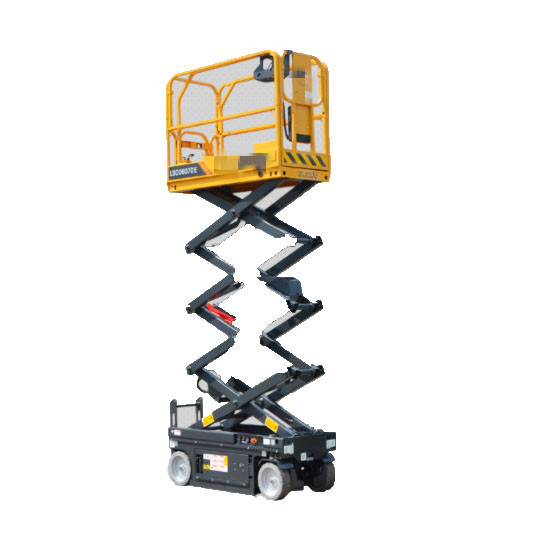
Scissor Lifts can be applied in various scenarios such as daily life and work assignments.
Construction and Fix-Up Jobs
Drywall teams, electricians, plumbers, and painters rely on them. The wide platform lets a whole crew stay at the same level. No need to keep moving the lift every few minutes.
Warehouses and Storage Areas
Reaching high shelves for stock, swapping lights, or counting items gets easy. Drive the lift down the aisle, lift up, and load or unload right there.
Building Maintenance
Swapping air filters, cleaning tall windows, or putting up signs in big halls—any indoor height job usually calls for an electric scissor lift.
Events and Stage Setups
Concert crews and lighting teams love the steady platform. Most models fold small enough to roll through double doors.
Choosing the Right One for Your Job
Ask yourself a few easy questions first:
- How high do you actually need to reach? Add a couple extra meters for safe stretching.
- Inside or outside? Go electric for smooth floors and fresh air; pick diesel for rough ground.
- How much total weight—people, tools, materials? Always check the rating plate.
- How narrow are your spaces? Some slim models fit aisles under a meter wide.
Answer those, and you’ll avoid wasted time and money.
Keeping Your Scissor Lift Running Smooth
A quick check each day makes a big difference:
- Look at battery levels or fluid every morning.
- Inspect tires or tracks for cuts or wear.
- Scan for oil leaks or bent arms.
- Test emergency stops and alarms before anyone climbs up.
- Grease moving joints on schedule.
- Wipe the platform clean—spills turn slippery fast.
Treat it well, and it lasts longer with fewer surprises.
MachPlaza – Your Go-To Supplier for Scissor Lifts
Need dependable scissor lifts with solid backing? MachPlaza delivers. We’re a top exporter of Chinese construction machinery. We offer a full lineup of aerial working equipment—compact electric models for indoor tasks and tough rough-terrain units for outdoor work. You get fair prices, quick shipping, real spare parts, and help that lasts beyond the sale. One unit or a whole fleet, we keep things straightforward and trustworthy. Drop us a line anytime at info@machplaza.com.
Final Thoughts
Scissor lifts might not steal the spotlight like giant cranes. But they quietly keep projects on track and people safe every single day. Their no-nonsense design, steady platform, and ability to fit almost anywhere make them the most common and important aerial equipment around. Once your crew tries a good one, ladders and scaffolds just don’t cut it anymore for most height jobs.
Frequently Asked Questions About Scissor Lifts
Q: Why are scissor lifts seen as common and important aerial equipment?
A: They’re everywhere because they’re affordable, simple to run, and slide through regular doors. They matter because the big, railed platform keeps falls way down compared to ladders or shaky scaffolds.
Q: Can you use scissor lifts outside?
A: Sure thing. Electric ones shine on smooth indoor floors. Rough-terrain diesel models roll over gravel, dirt, and gentle slopes with no trouble.
Q: How high do most scissor lifts reach?
A: Usually between 6 and 18 meters. That handles almost every daily task in building, storage, or upkeep.
Q: Are they safe for a few workers at once?
A: Yes, as long as you stay under the weight limit. The platform fits several people plus gear, and safety features like pothole guards and emergency lowers keep everyone protected.
Q: What’s the main difference between electric and diesel scissor lifts?
A: Electric ones stay quiet and clean, perfect indoors and cheap to charge. Diesel rough-terrain types bring more power and big tires for outdoor or bumpy sites, though they’re louder.
